What would you like to read?Search books, authors, genres, shelves, users...
Search books, authors, genres, shelves, users...Search books, authors, genres, shelves, users...

What would you like to read?Search books, authors, genres, shelves, users...
Search books, authors, genres, shelves, users...Search books, authors, genres, shelves, users...
1 books
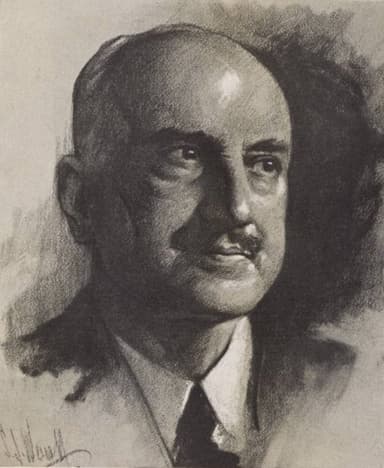
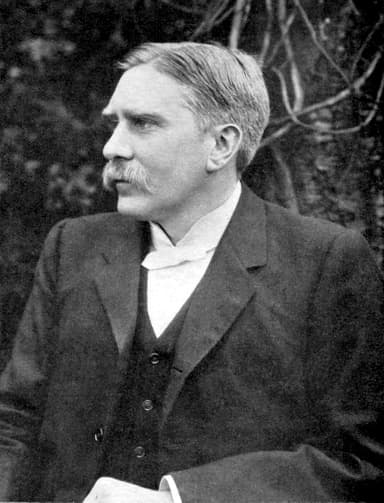
Richard Malcolm Weaver, Jr (March 3, 1910 – April 1, 1963) was an American scholar who taught English at the University of Chicago. He is primarily known as an intellectual historian, political philosopher, and a mid-20th century conservative and as an authority on modern rhetoric. Weaver was briefly a socialist during his youth, a lapsed leftist intellectual (conservative by the time he was in graduate school), a teacher of composition, a Platonist philosopher, cultural critic, and a theorist of human nature and society. Described by biographer Fred Young as a "radical and original thinker", Weaver's books Ideas Have Consequences (1948) and The Ethics of Rhetoric (1953) remain influential among conservative theorists and scholars of the American South. Weaver was also associated with a group of scholars who in the 1940s and 1950s promoted traditionalist conservatism.

Hysterical optimism will prevail until the world again admits the existence of tragedy, and it cannot admit the existence of tragedy until it again distinguishes between good and evil. . . Hysterical optimism as a sin against knowledge.
The scientists have given [modern man] the impression that there is nothing he cannot know, and false propagandists have told him that there is nothing he cannot have.