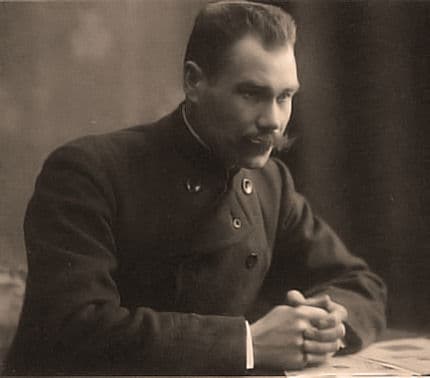
Johannes Linnankoski
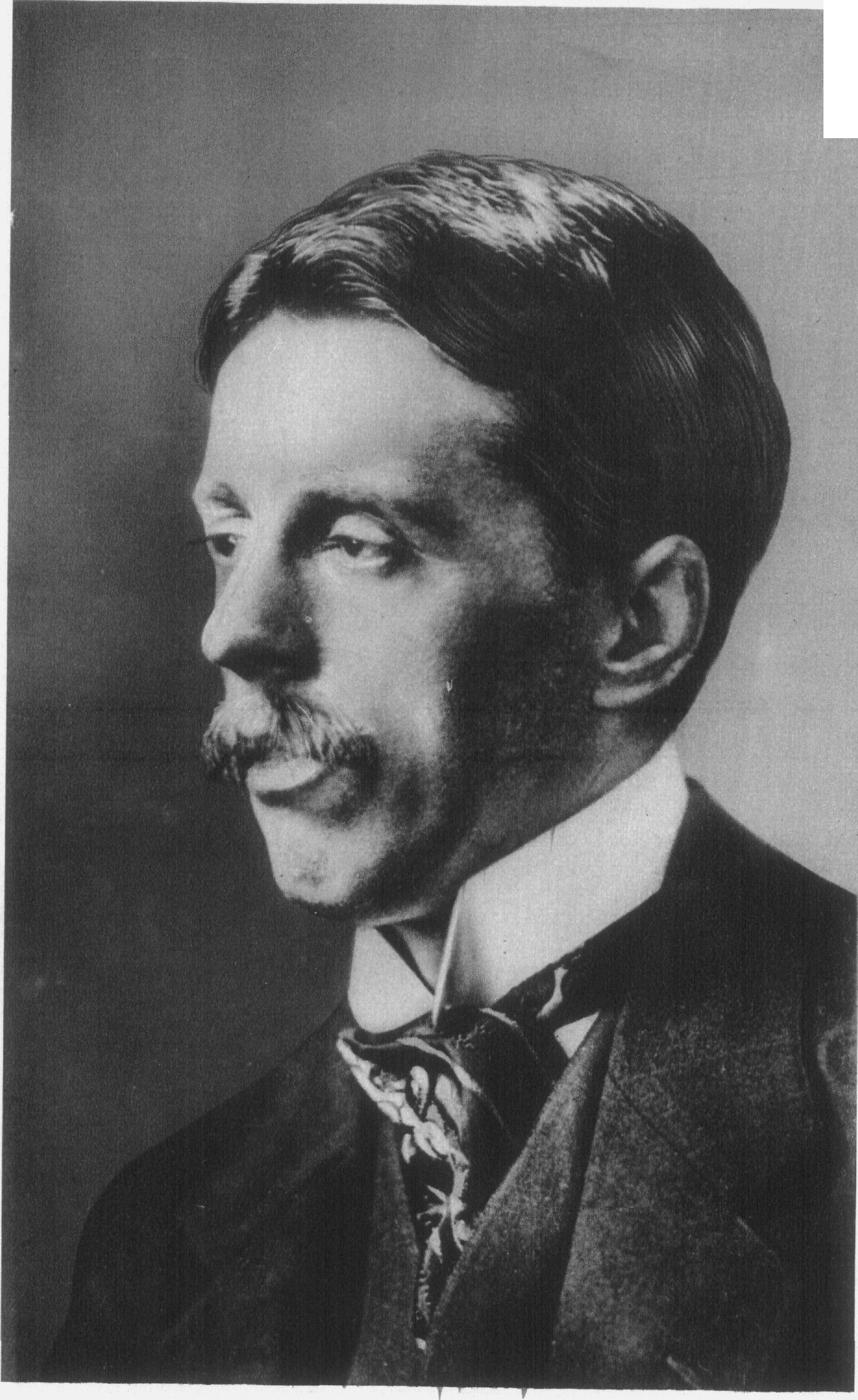
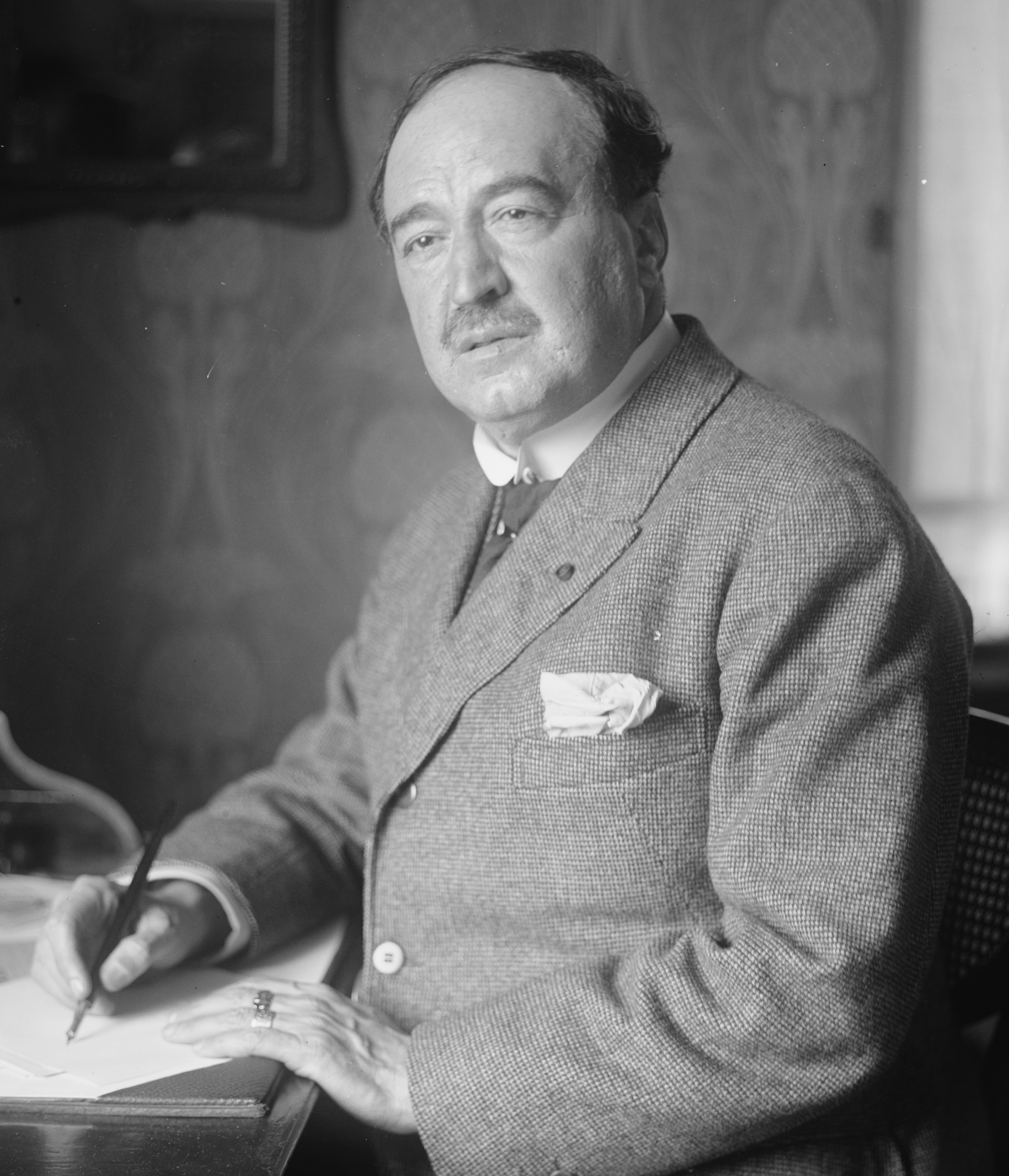
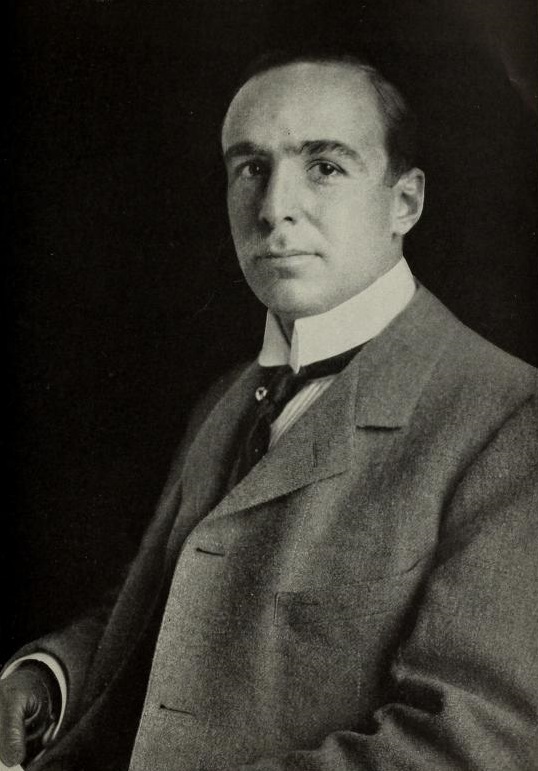
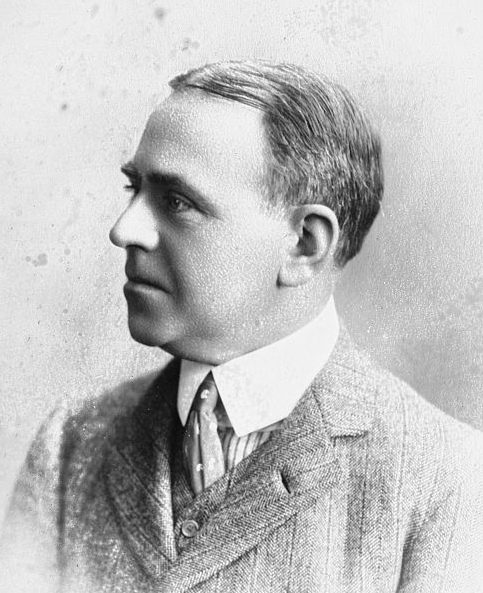
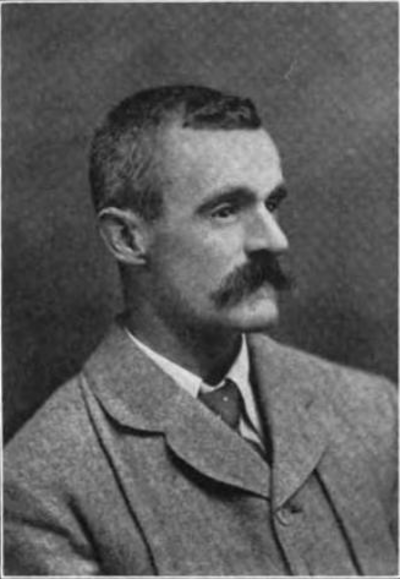
Johannes Linnankoski, originally named Vihtori Johan Peltonen, was a prominent Finnish author and playwright who played a significant role in the Golden Age of Finnish Art. Born in 1869, he became known for his exploration of complex moral themes such as guilt, punishment, and redemption. His most celebrated work, 'The Song of the Blood-Red Flower' (1905), is a poignant romance novel that delves into the emotional and ethical struggles of its characters, reflecting the societal issues of his time. Through his vivid storytelling and rich character development, Linnankoski captured the essence of human experience, making his works resonate deeply with readers. Linnankoski's literary contributions extended beyond mere entertainment; he challenged societal norms and provoked thought on moral dilemmas, establishing himself as a significant figure in Finnish literature. His ability to weave intricate narratives that address profound questions of morality and human nature has left a lasting impact on Finnish literary traditions. Despite his untimely death in 1913, Linnankoski's legacy endures, as his works continue to be studied and appreciated for their depth and insight into the human condition.
Books from the author





Link to this page
Add a free, dofollow link to Lex on your blog, forum, syllabus, or reading list.

<a href="https://lex-books.com/author/johannes-linnankoski"><img src="https://lex-books.com/badges/read-on-lex.svg" alt="Johannes Linnankoski on Lex" width="160" height="40"></a>[](https://lex-books.com/author/johannes-linnankoski)[url=https://lex-books.com/author/johannes-linnankoski][img]https://lex-books.com/badges/read-on-lex.svg[/img][/url]Johannes Linnankoski on Lex: https://lex-books.com/author/johannes-linnankoski