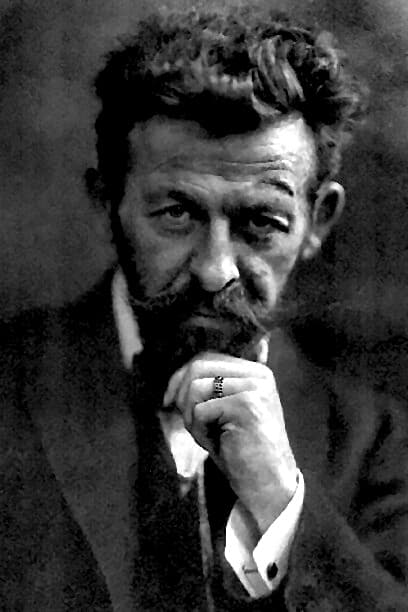
Richard Dehmel
Richard Dehmel was a prominent German poet and writer, known for his innovative contributions to the literary landscape of the late 19th and early 20th centuries. Born in 1863, he initially pursued a career in law before turning to literature, where he found his voice in poetry that often explored themes of love, nature, and existential reflection. His works, characterized by their emotional intensity and lyrical beauty, include notable collections such as 'In the Twilight' and 'The Song of the Earth.' Dehmel's poetry was marked by a deep engagement with the Symbolist movement, which sought to evoke emotions and ideas through vivid imagery and musicality. Dehmel's significance lies not only in his poetic output but also in his role as a cultural figure in Germany during a time of great social and political change. He was associated with various literary circles and influenced contemporaries with his progressive views on art and society. His work often challenged conventional norms, making him a controversial figure in some respects. Dehmel's legacy endures as he is remembered for his passionate exploration of the human condition and his contributions to modern German poetry, paving the way for future generations of writers and poets.
Famous Quotes
View all 1 quotes“Those who love Mankind learn to hate men. (...wer die Menschheit liebt, der lernt die Menschen hassen.)”
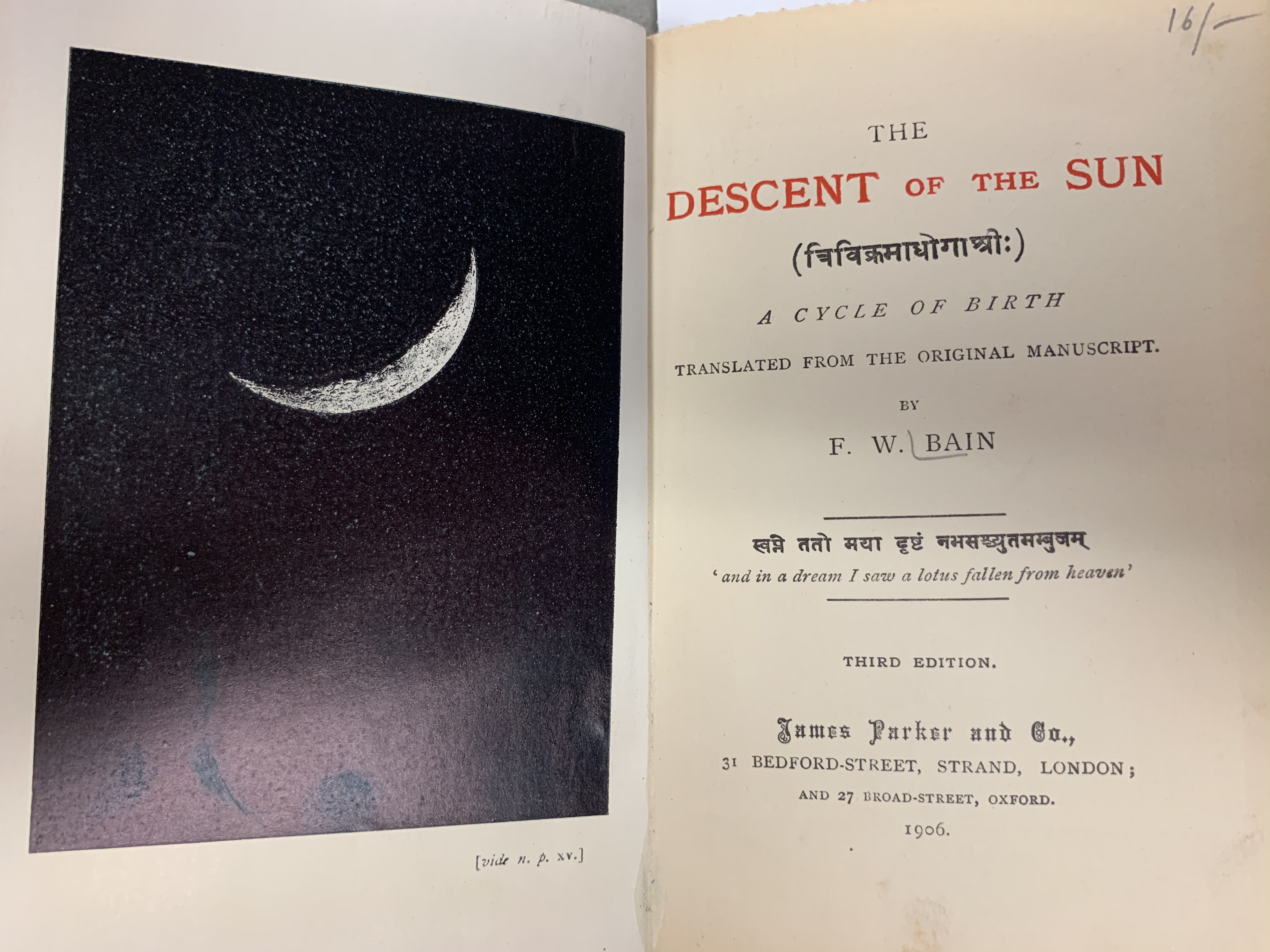
Books from the author













Link to this page
Add a free, dofollow link to Lex on your blog, forum, syllabus, or reading list.

<a href="https://lex-books.com/author/richard-dehmel"><img src="https://lex-books.com/badges/read-on-lex.svg" alt="Richard Dehmel on Lex" width="160" height="40"></a>[](https://lex-books.com/author/richard-dehmel)[url=https://lex-books.com/author/richard-dehmel][img]https://lex-books.com/badges/read-on-lex.svg[/img][/url]Richard Dehmel on Lex: https://lex-books.com/author/richard-dehmel