
Ramón Ortega y Frías
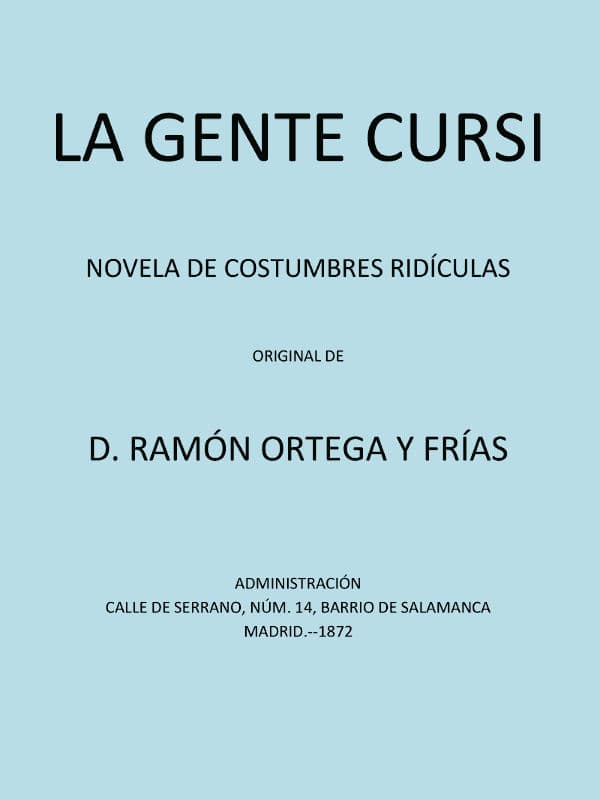
Ramón Ortega y Frías was a Spanish novelist and playwright, recognized for his keen observations of society and its follies during the 19th century. His most notable work, "La Gente Cursi: Novela De Costumbres Ridículas," satirizes the pretentiousness and superficiality prevalent in the social circles of his time. Through a blend of humor and critical insight, Ortega y Frías captured the essence of the bourgeoisie, exposing their absurdities while also reflecting the broader cultural shifts occurring in Spain during the period of modernization and social change. Ortega y Frías's literary contributions are significant for their early exploration of social themes that would later become central to Spanish literature. His works not only entertain but also provoke thought about the nature of societal norms and the human condition. By focusing on the ridiculous aspects of everyday life, he paved the way for future writers to delve into social commentary through fiction. His legacy endures as a reflection of the complexities of 19th-century Spanish society, making him a noteworthy figure in the landscape of Spanish literature.
Books from the author







Link to this page
Add a free, dofollow link to Lex on your blog, forum, syllabus, or reading list.

<a href="https://lex-books.com/author/ramón-ortega-y-frías"><img src="https://lex-books.com/badges/read-on-lex.svg" alt="Ramón Ortega y Frías on Lex" width="160" height="40"></a>[](https://lex-books.com/author/ramón-ortega-y-frías)[url=https://lex-books.com/author/ramón-ortega-y-frías][img]https://lex-books.com/badges/read-on-lex.svg[/img][/url]Ramón Ortega y Frías on Lex: https://lex-books.com/author/ramón-ortega-y-frías