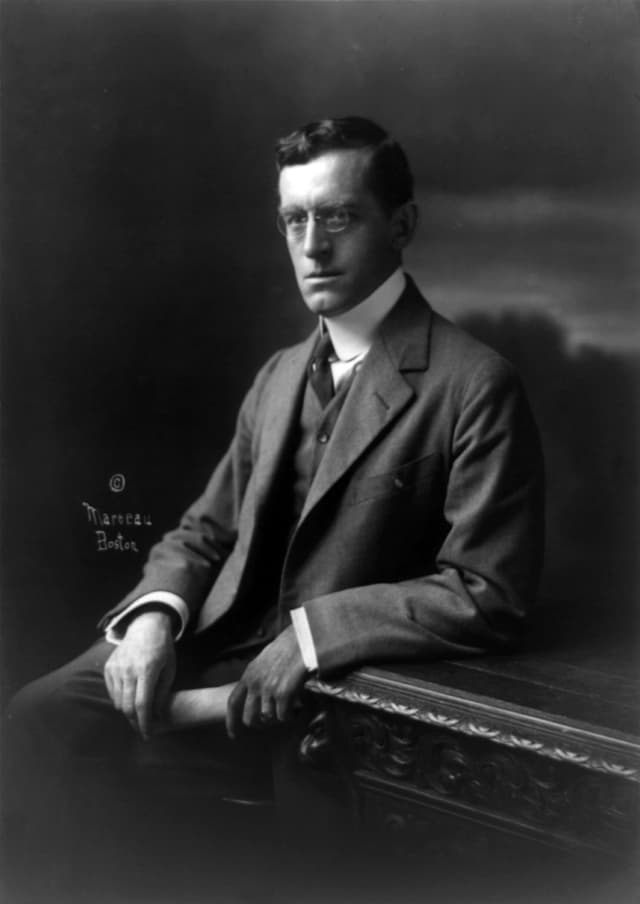
Ralph Adams Cram
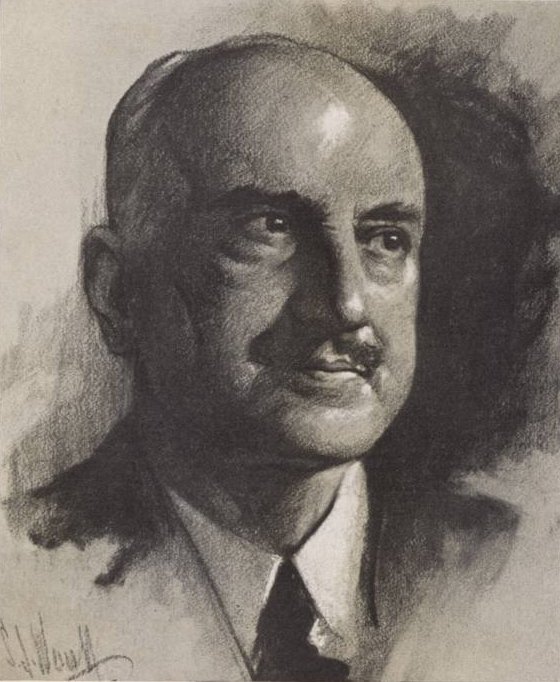
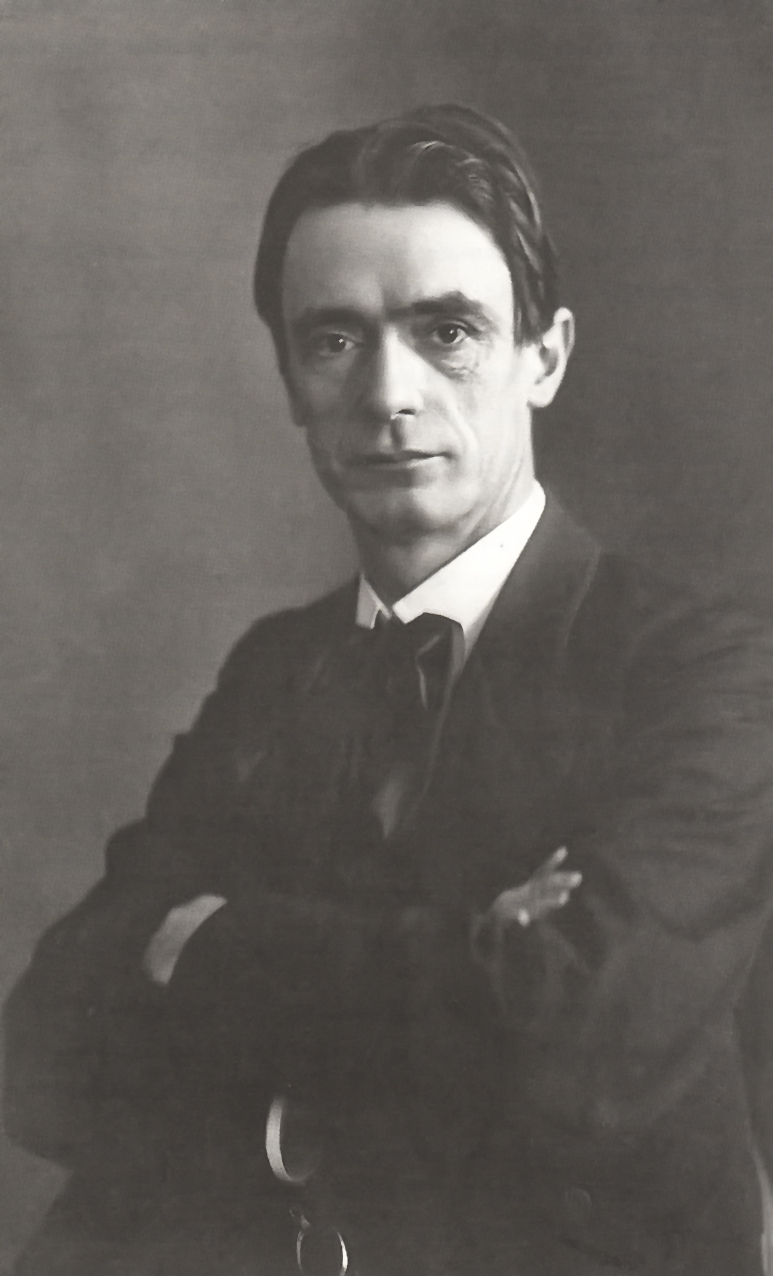
Ralph Adams Cram was a prominent American architect known for his significant contributions to collegiate and ecclesiastical architecture, particularly in the Gothic Revival style. His work was characterized by a deep reverence for tradition and craftsmanship, which he believed were essential to the creation of meaningful and enduring structures. Cram's architectural partnerships, notably Cram & Ferguson and Cram, Goodhue & Ferguson, allowed him to collaborate with other talented architects, further amplifying his influence in the field. His designs include notable buildings such as the Cathedral of St. John the Divine in New York City and the Memorial Chapel at Princeton University, which exemplify his mastery of Gothic elements and his commitment to creating spaces that inspire reverence and contemplation. Beyond his architectural achievements, Cram was also a fellow of the American Institute of Architects and an influential writer on architecture and design. He articulated his vision for architecture in various essays and lectures, advocating for a return to the spiritual and artistic values of the past. Cram's legacy endures through his buildings, which continue to be celebrated for their beauty and craftsmanship, and through his writings that have inspired generations of architects to consider the deeper significance of their work.
Famous Quotes
View all 1 quotes“A hot dead wind drifted in great puffs through the city, and ragged masses of vapor swept the purple sky; an unsavory night altogether, one of those nights of hopeless lassitude when one feels, if one is at home, like doing nothing but drink mint juleps and smoke cigarettes.””
Books from the author






Link to this page
Add a free, dofollow link to Lex on your blog, forum, syllabus, or reading list.

<a href="https://lex-books.com/author/ralph-adams-cram"><img src="https://lex-books.com/badges/read-on-lex.svg" alt="Ralph Adams Cram on Lex" width="160" height="40"></a>[](https://lex-books.com/author/ralph-adams-cram)[url=https://lex-books.com/author/ralph-adams-cram][img]https://lex-books.com/badges/read-on-lex.svg[/img][/url]Ralph Adams Cram on Lex: https://lex-books.com/author/ralph-adams-cram