L'autre Tartuffe, Ou La Mère Coupable
1792
L'autre Tartuffe, Ou La Mère Coupable
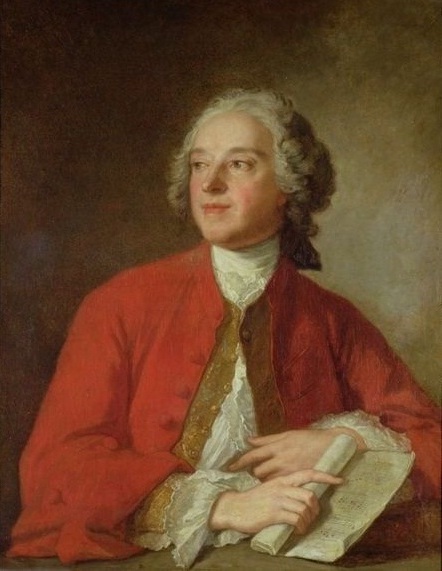
Pierre Augustin Caron de Beaumarchais
1792
Beaumarchais concluded his legendary Figaro trilogy with this darker, more turbulent work written amid the chaos of the French Revolution. The famous servant has aged into cynicism, and the once-young Countess now faces a devastating scandal: her past affair has produced a child, and the villainous Bégearss wields this secret like a knife, threatening to destroy the Almaviva family from within. What unfolds is not the witty comedy of manners that made its predecessors famous, but a tense domestic thriller where honor, class, and survival collide. Figaro must once again deploy his legendary cunning, this time not for romance or rebellion, but to save a family torn apart by blackmail and moral reckoning. The play pulses with the revolutionary era's anxiety, asking whether old orders can survive when their deepest hypocrisies are exposed. For readers who loved the sparkle of The Marriage of Figaro, this concluding chapter offers something rarer and more unsettling: a mature reckoning with the costs of survival in a corrupt world.
Editions
Link to this book
Add a free, dofollow link to Lex on your blog, forum, syllabus, or reading list.

<a href="https://lex-books.com/book/l-autre-tartuffe-ou-la-m-re-coupable-2ff51d5a-87b7-4fe3-b142-38ee9facc8f9"><img src="https://lex-books.com/badges/read-on-lex.svg" alt="Read L'autre Tartuffe, Ou La Mère Coupable by Pierre Augustin Caron de Beaumarchais free on Lex" width="160" height="40"></a>[](https://lex-books.com/book/l-autre-tartuffe-ou-la-m-re-coupable-2ff51d5a-87b7-4fe3-b142-38ee9facc8f9)[url=https://lex-books.com/book/l-autre-tartuffe-ou-la-m-re-coupable-2ff51d5a-87b7-4fe3-b142-38ee9facc8f9][img]https://lex-books.com/badges/read-on-lex.svg[/img][/url]Read L'autre Tartuffe, Ou La Mère Coupable by Pierre Augustin Caron de Beaumarchais free on Lex: https://lex-books.com/book/l-autre-tartuffe-ou-la-m-re-coupable-2ff51d5a-87b7-4fe3-b142-38ee9facc8f9Cite this book
Reading this edition for a paper or guide? Copy a citation.
Beaumarchais, Pierre Augustin Caron de. L'autre Tartuffe, Ou La Mère Coupable. Lex, lex-books.com/book/l-autre-tartuffe-ou-la-m-re-coupable-2ff51d5a-87b7-4fe3-b142-38ee9facc8f9.Beaumarchais, P. A. C. D. (1792). L'autre Tartuffe, Ou La Mère Coupable. Lex. https://lex-books.com/book/l-autre-tartuffe-ou-la-m-re-coupable-2ff51d5a-87b7-4fe3-b142-38ee9facc8f9Beaumarchais, Pierre Augustin Caron de. L'autre Tartuffe, Ou La Mère Coupable. Lex. https://lex-books.com/book/l-autre-tartuffe-ou-la-m-re-coupable-2ff51d5a-87b7-4fe3-b142-38ee9facc8f9.