
Pedro Sarmiento de Gamboa
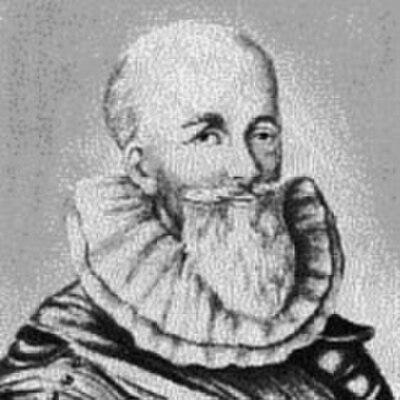
Pedro Sarmiento de Gamboa was a Spanish explorer, historian, and chronicler known for his significant contributions to the understanding of the early colonial period in South America. Born around 1532, he became a prominent figure in the Spanish Empire's exploration efforts, particularly in the region that is now modern-day Chile and Argentina. His most notable work, 'Historia de la llegada de los españoles a Chile,' provides a detailed account of the Spanish conquest and the interactions between the indigenous peoples and European settlers. This work is not only a historical narrative but also a critical reflection on the impact of colonization on native cultures. Sarmiento's legacy extends beyond his historical writings; he was also an advocate for the indigenous populations, emphasizing the need for their protection against exploitation. His observations and critiques of colonial practices were ahead of his time, showcasing a nuanced understanding of the complexities of cultural exchange and conflict. Through his writings, Sarmiento de Gamboa contributed to the broader discourse on colonialism and its consequences, making him a significant figure in the literature of the Spanish conquest and a precursor to later discussions on colonial ethics and indigenous rights.
Books from the author






Link to this page
Add a free, dofollow link to Lex on your blog, forum, syllabus, or reading list.

<a href="https://lex-books.com/author/pedro-sarmiento-de-gamboa"><img src="https://lex-books.com/badges/read-on-lex.svg" alt="Pedro Sarmiento de Gamboa on Lex" width="160" height="40"></a>[](https://lex-books.com/author/pedro-sarmiento-de-gamboa)[url=https://lex-books.com/author/pedro-sarmiento-de-gamboa][img]https://lex-books.com/badges/read-on-lex.svg[/img][/url]Pedro Sarmiento de Gamboa on Lex: https://lex-books.com/author/pedro-sarmiento-de-gamboa