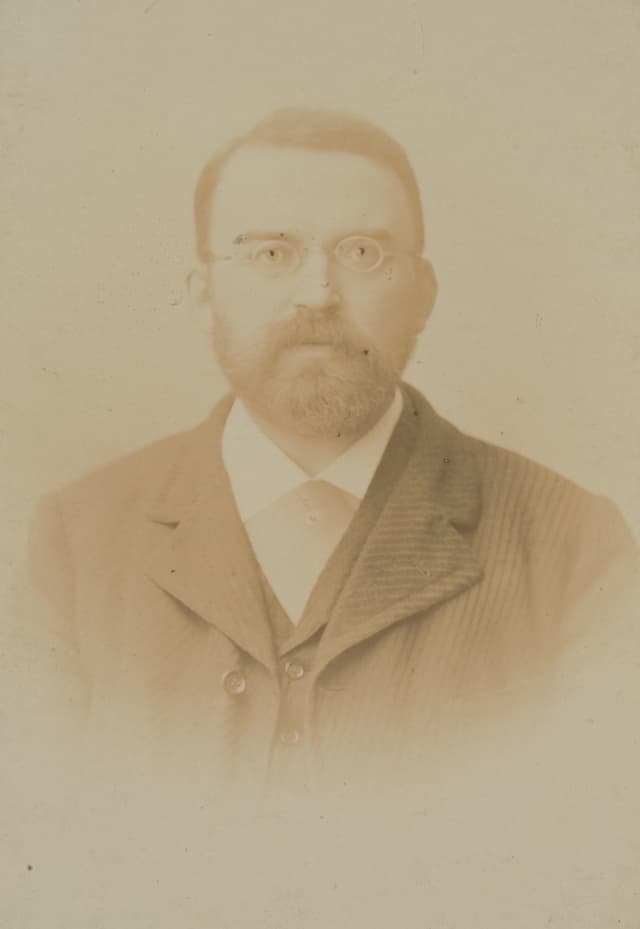
Paul Hensel
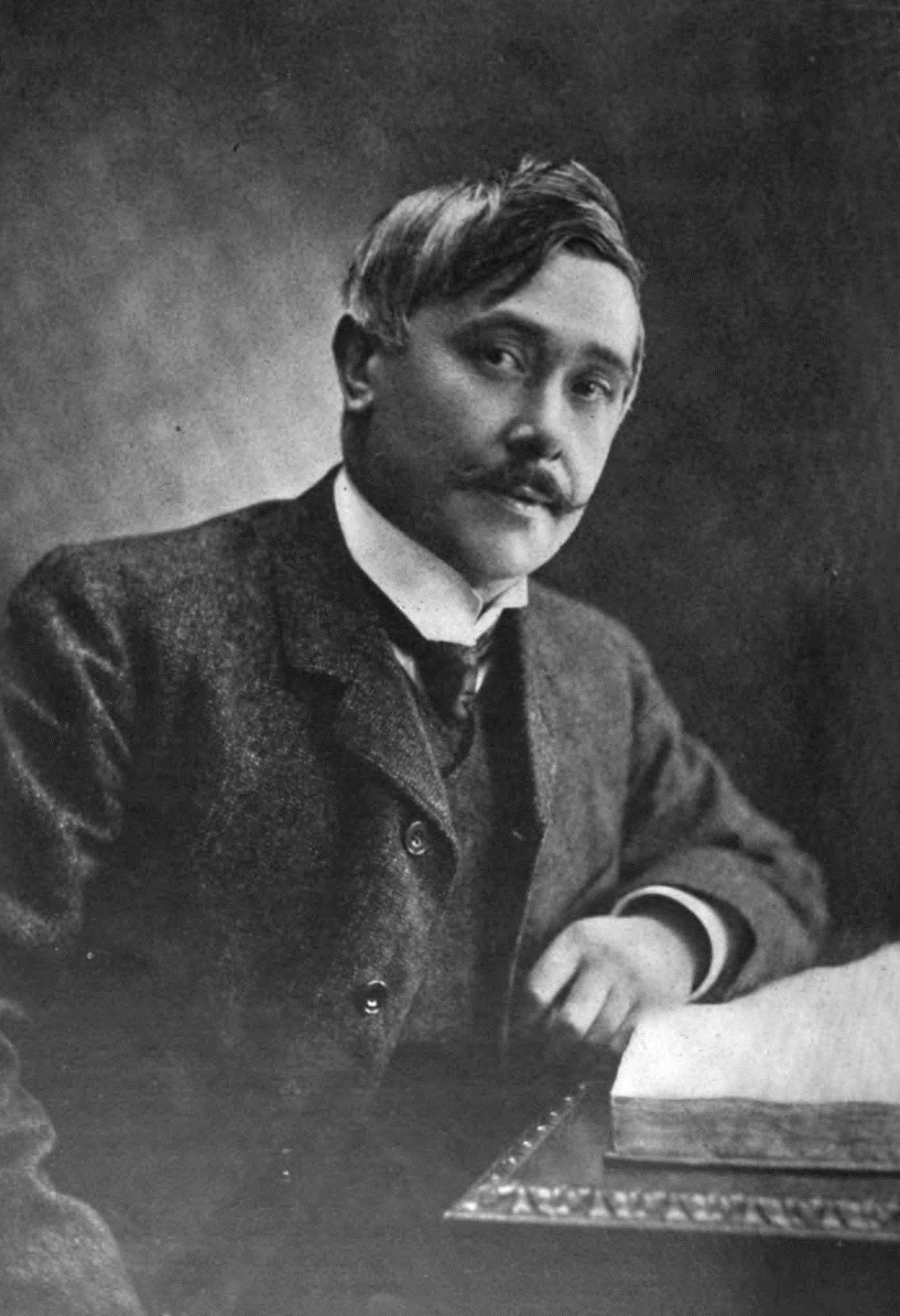
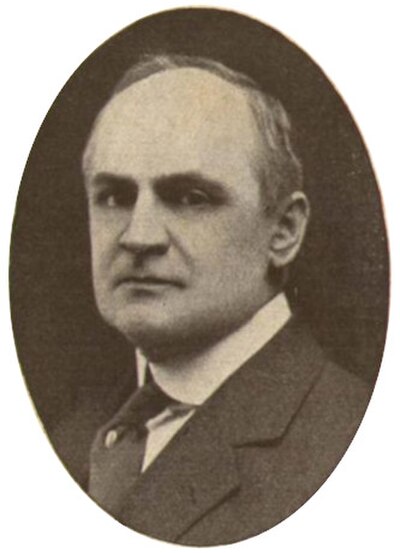
Paul Hensel was a German philosopher known for his contributions to the fields of logic and epistemology. Born in Groß-Barthen, Province of Prussia, he pursued an academic career that led him to engage deeply with the philosophical movements of his time. Hensel's work often explored the intersection of philosophy and mathematics, and he is particularly recognized for his writings on the foundations of logic and the philosophy of science. His ideas were influential in shaping the discourse around mathematical logic and the nature of truth, positioning him as a significant figure in early 20th-century philosophy. Among his notable works, Hensel's writings on the principles of mathematical logic and his discussions on the nature of knowledge contributed to the development of modern philosophical thought. His approach often emphasized the importance of rigorous logical analysis, which resonated with contemporaries and laid groundwork for future philosophical inquiry. Hensel's legacy endures in the realms of logic and epistemology, where his insights continue to inform discussions on the nature of reasoning and the foundations of knowledge.
Books from the author






Link to this page
Add a free, dofollow link to Lex on your blog, forum, syllabus, or reading list.

<a href="https://lex-books.com/author/paul-hensel"><img src="https://lex-books.com/badges/read-on-lex.svg" alt="Paul Hensel on Lex" width="160" height="40"></a>[](https://lex-books.com/author/paul-hensel)[url=https://lex-books.com/author/paul-hensel][img]https://lex-books.com/badges/read-on-lex.svg[/img][/url]Paul Hensel on Lex: https://lex-books.com/author/paul-hensel