
Paul Arène
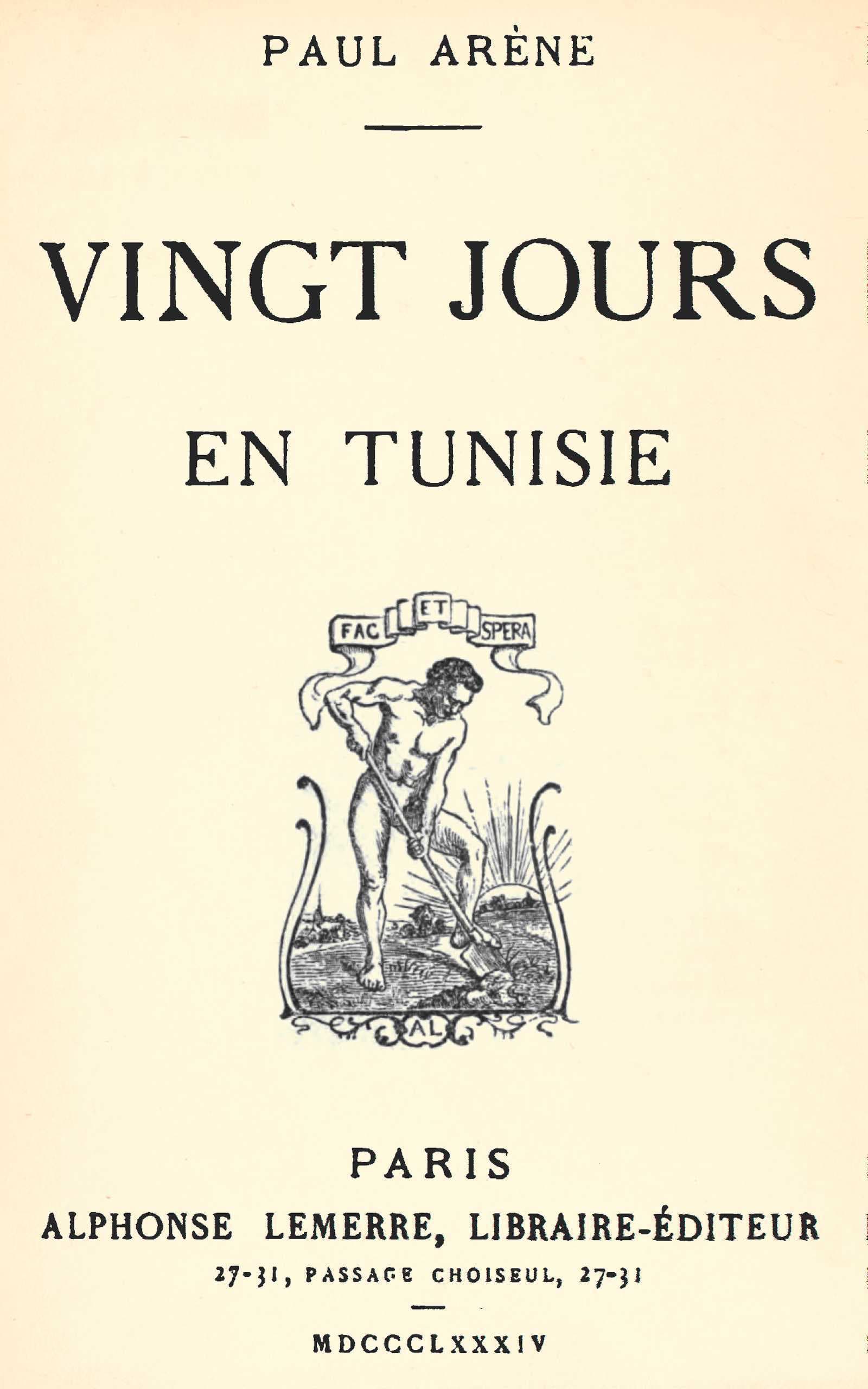
Paul Arène was a French novelist and playwright known for his vivid depictions of rural life and the complexities of human relationships. Born in the Provençal region, Arène's upbringing in a culturally rich environment deeply influenced his literary voice. He became associated with the naturalist movement, though his work often incorporated elements of regionalism, capturing the essence of the landscapes and people of southern France. His notable works include "Les Deux Déracinés" and "Le Pain de Ménage," which reflect his keen observations of social dynamics and the struggles of the working class in a rapidly changing society. Arène's literary significance lies in his ability to blend realism with a poetic sensibility, making his narratives both relatable and evocative. He was part of a literary circle that included prominent figures such as Alphonse Daudet and Frédéric Mistral, contributing to the cultural milieu of the time. His legacy endures through his exploration of themes such as identity, belonging, and the impact of modernization on traditional ways of life, which continue to resonate in contemporary discussions of regional literature and its role in the broader narrative of French literature.
Famous Quotes
View all 1 quotes“En prison, les choses sont claires, chacune à sa place, tandis qu'ici elles bougent, permutent, disparaissent, apparaissent. Dur, dur. Il faut faire attention tout le temps : où l'on met le pied, comment on entre ou l'on sort par une porte (il faut appuyer sur la poignée) et surtout, surtout, les miroirs – je ne parle pas pour moi, je m'y suis toujours fait : chaque fois que je l'ai appelé, il est venu, parfois un peu tard, parfois un peu trop tard, même si je n'allais pas à lui, ce qui est une parfaite illusion d'optique : moi dans le miroir, et je descends donc seul dans l'arène lorsque Turcanu ordonne.””
Books from the author

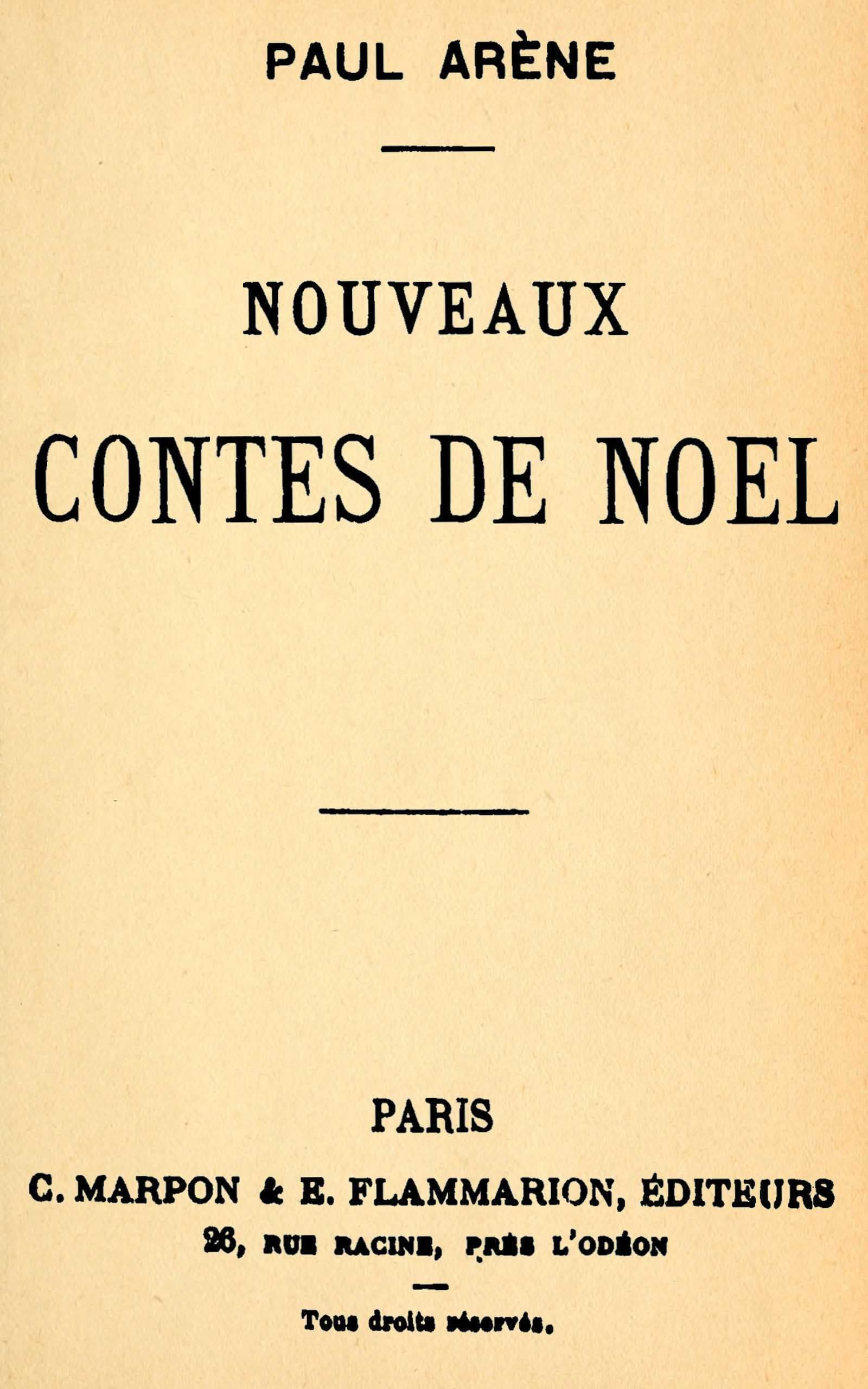
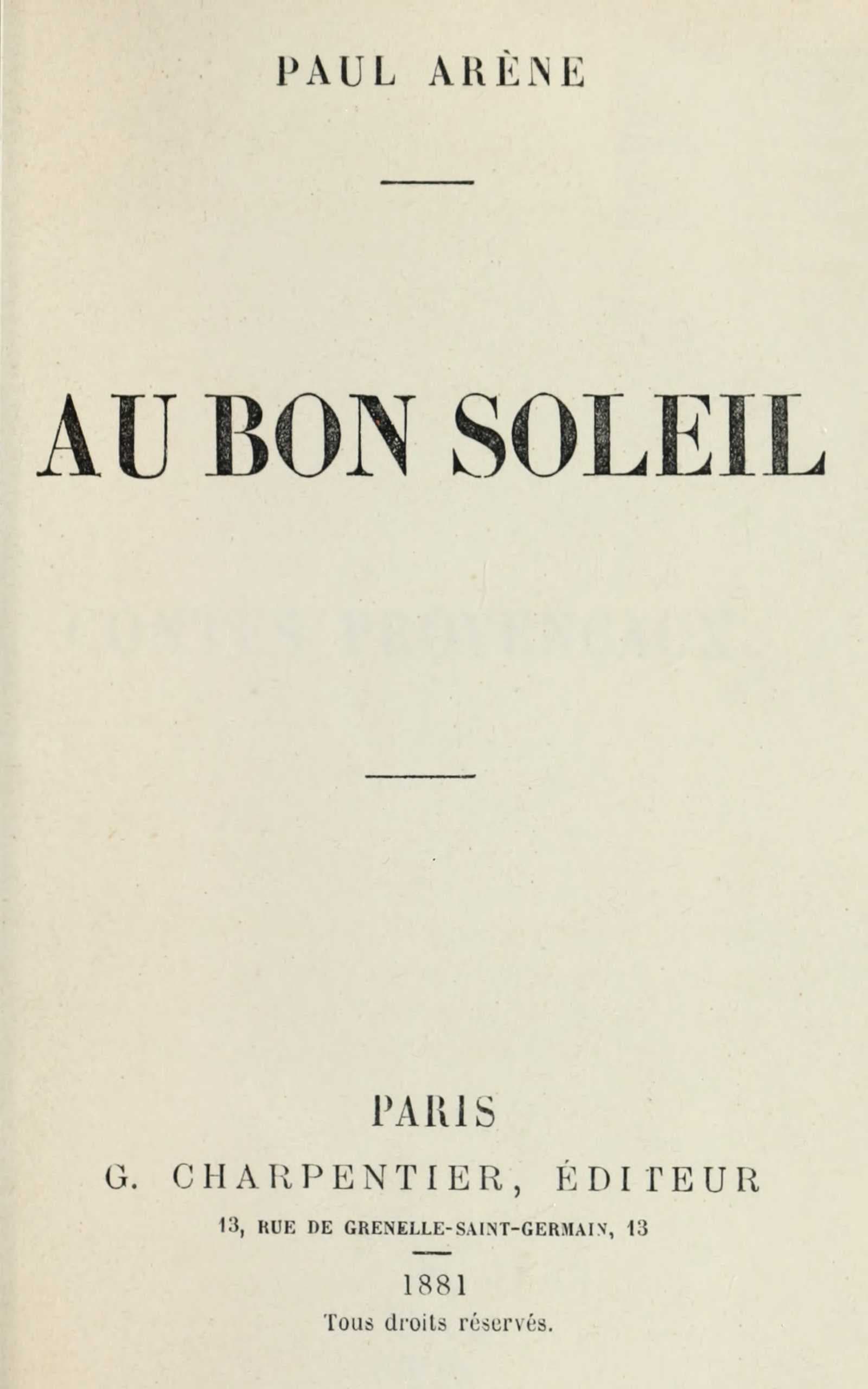
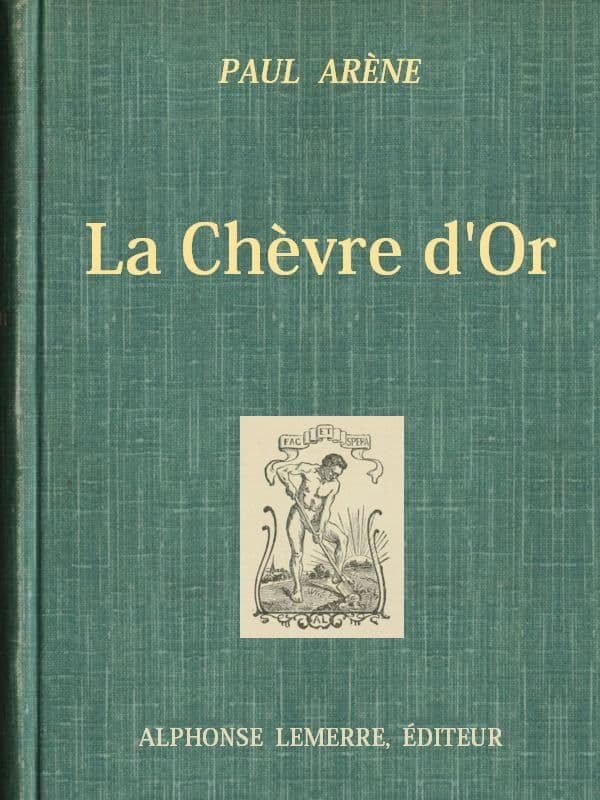
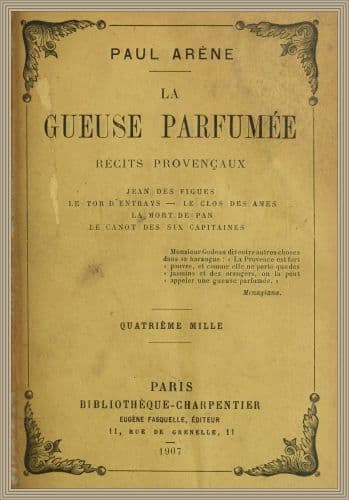



Link to this page
Add a free, dofollow link to Lex on your blog, forum, syllabus, or reading list.

<a href="https://lex-books.com/author/paul-arène"><img src="https://lex-books.com/badges/read-on-lex.svg" alt="Paul Arène on Lex" width="160" height="40"></a>[](https://lex-books.com/author/paul-arène)[url=https://lex-books.com/author/paul-arène][img]https://lex-books.com/badges/read-on-lex.svg[/img][/url]Paul Arène on Lex: https://lex-books.com/author/paul-arène