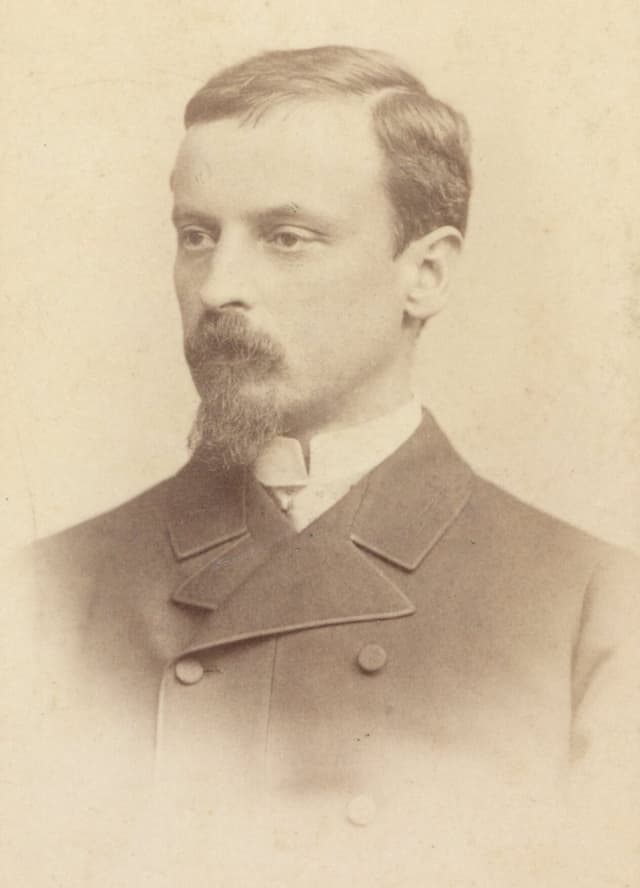
Henryk Sienkiewicz
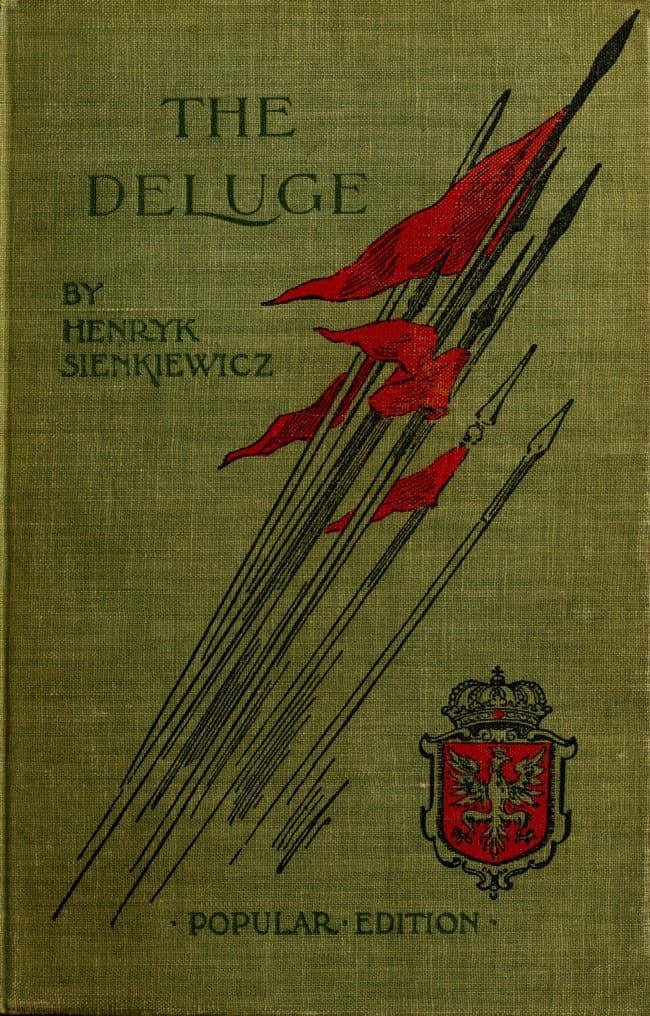
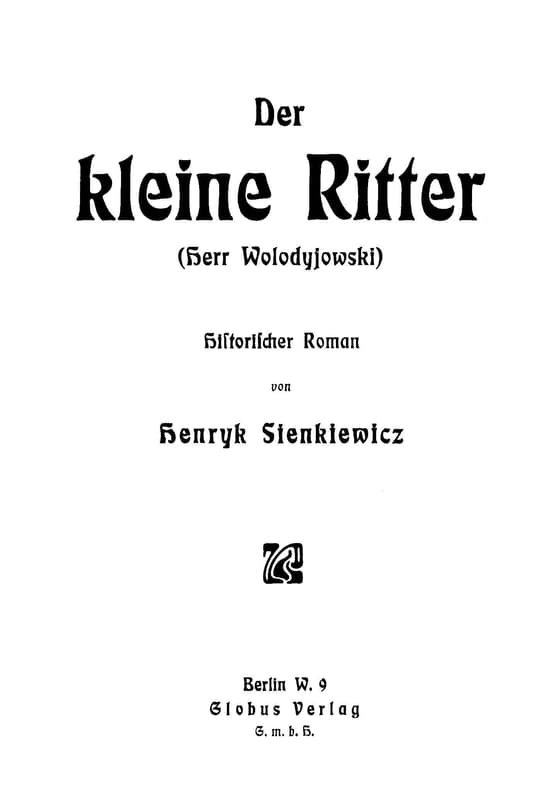
Henryk Sienkiewicz was a prominent Polish epic writer, celebrated for his historical novels that captured the essence of Poland's past. Born into a noble family in the Kingdom of Poland, then part of the Russian Empire, he began his literary career in the late 1860s with journalistic and literary pieces. His travels to the United States in the late 1870s inspired a series of travel essays that resonated with Polish readers, further establishing his reputation. By the 1880s, Sienkiewicz was serializing novels, which solidified his status as one of the most popular Polish authors at the turn of the 19th and 20th centuries. Sienkiewicz's most notable works include the historical Trilogy—comprising "With Fire and Sword," "The Deluge," and "Sir Michael"—which are set in the 17th-century Polish–Lithuanian Commonwealth. His international acclaim, however, largely stemmed from his best-selling novel "Quo Vadis," which explores themes of love and faith against the backdrop of Nero's Rome. His literary contributions earned him the Nobel Prize in Literature in 1905, recognizing his outstanding merits as an epic writer. Sienkiewicz's works have been adapted into films, with "Quo Vadis" being particularly notable for its multiple adaptations, including a widely recognized 1951 Hollywood version. His legacy endures, as many of his novels continue to be read and appreciated worldwide.
Famous Quotes
View all 20 quotes“But I think happiness springs from another source, a far deeper one that doesn't depend on will because it comes from love.””
“Nevertheless, in this sea of human wretchedness and malice there bloomed at times compassion, as a pale flower blooms in a putrid marsh.””
“...he began to fear whether in the presence of far greater events, all his acts would not fade into insignificance, just as a drop of rain disappears into the sea.””
Books from the author











Link to this page
Add a free, dofollow link to Lex on your blog, forum, syllabus, or reading list.

<a href="https://lex-books.com/author/henryk-sienkiewicz"><img src="https://lex-books.com/badges/read-on-lex.svg" alt="Henryk Sienkiewicz on Lex" width="160" height="40"></a>[](https://lex-books.com/author/henryk-sienkiewicz)[url=https://lex-books.com/author/henryk-sienkiewicz][img]https://lex-books.com/badges/read-on-lex.svg[/img][/url]Henryk Sienkiewicz on Lex: https://lex-books.com/author/henryk-sienkiewicz