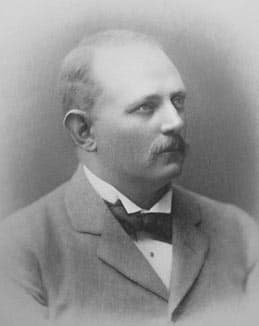
P. H. Emerson
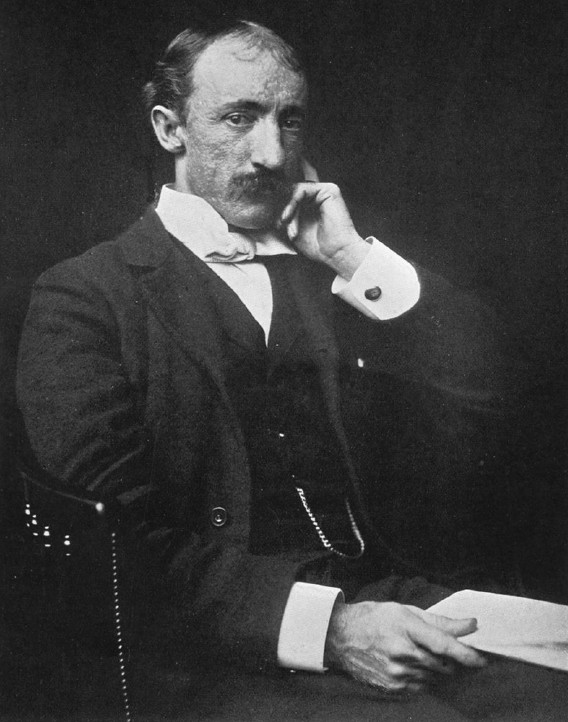
P. H. Emerson was an influential English photographer and writer, known for his pioneering work in the field of photography and his advocacy for its artistic potential. Born in 1856, he initially pursued a career in medicine before turning to photography, where he became a prominent figure in the late 19th-century photographic movement. Emerson's work is characterized by its focus on naturalism and the portrayal of rural life, particularly in the East Anglian countryside. His notable publications include 'Naturalistic Photography for Students of the Art' and 'Life and Landscape on the Norfolk Broads', which emphasized the importance of capturing the essence of the natural world and the human experience within it. Emerson's approach to photography was groundbreaking; he argued against the prevailing notion of photography as merely a mechanical process, instead promoting it as a legitimate art form. His emphasis on composition, light, and atmosphere influenced a generation of photographers and helped to establish photography as a serious medium for artistic expression. His legacy is evident in the way photography is perceived today, as both an art and a means of documentation, and he remains a significant figure in the history of visual arts.
Books from the author



Link to this page
Add a free, dofollow link to Lex on your blog, forum, syllabus, or reading list.

<a href="https://lex-books.com/author/p-h-emerson"><img src="https://lex-books.com/badges/read-on-lex.svg" alt="P. H. Emerson on Lex" width="160" height="40"></a>[](https://lex-books.com/author/p-h-emerson)[url=https://lex-books.com/author/p-h-emerson][img]https://lex-books.com/badges/read-on-lex.svg[/img][/url]P. H. Emerson on Lex: https://lex-books.com/author/p-h-emerson