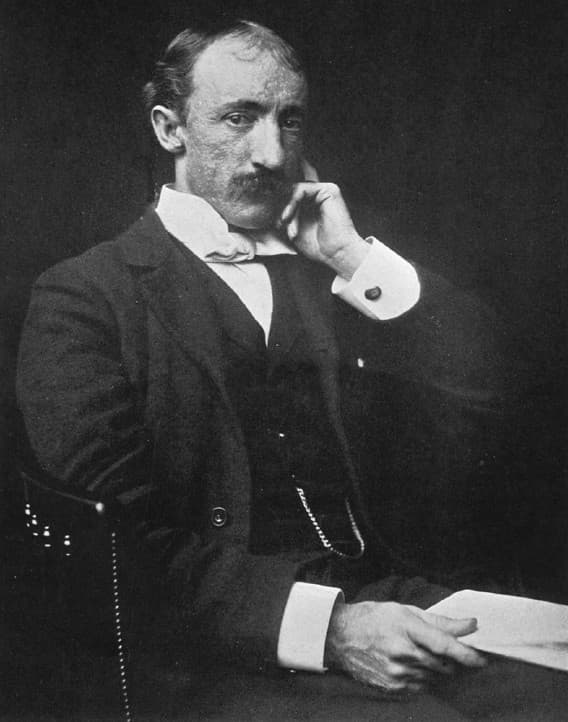
Frank Hamilton Cushing
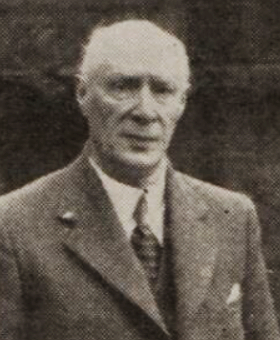
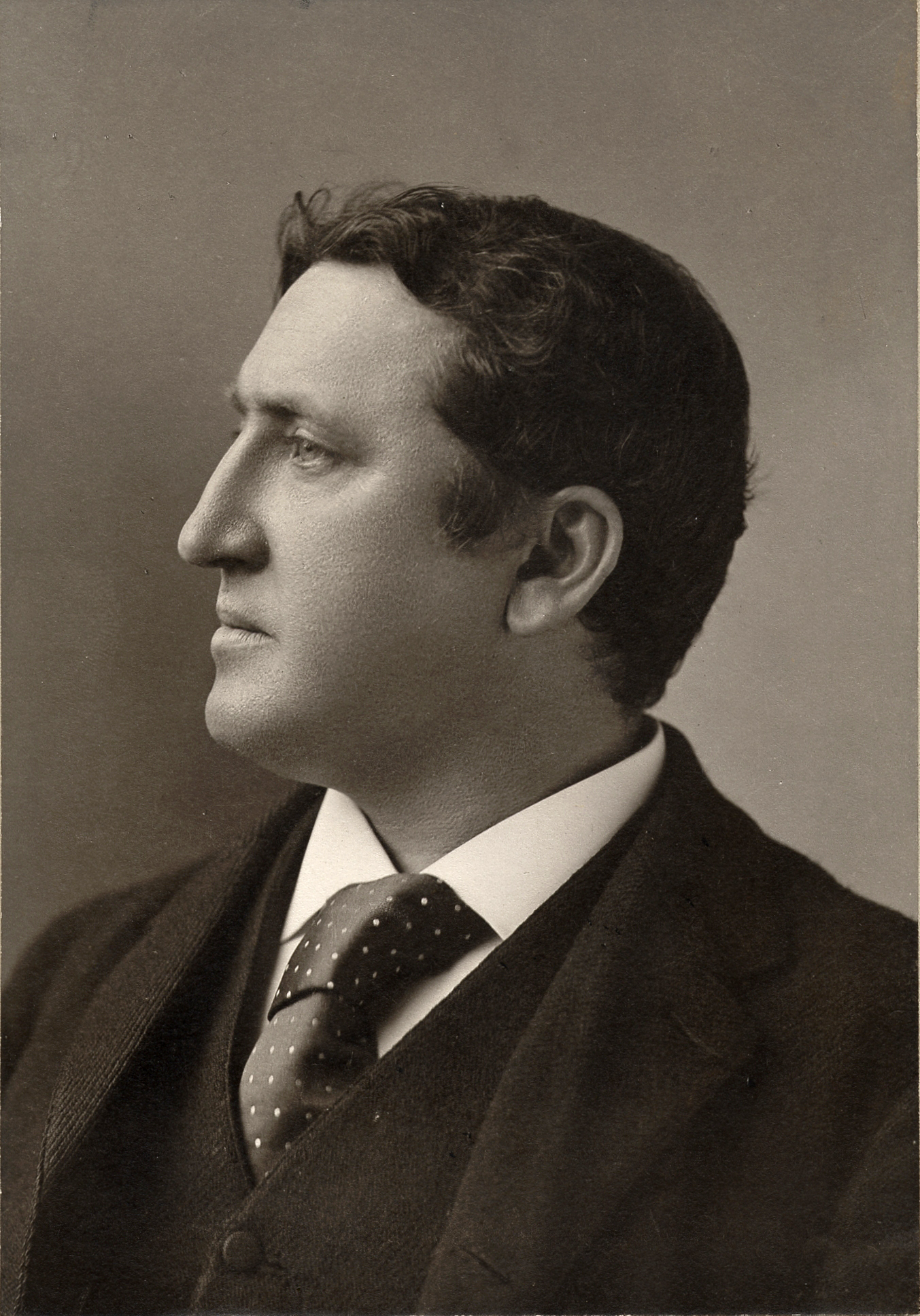
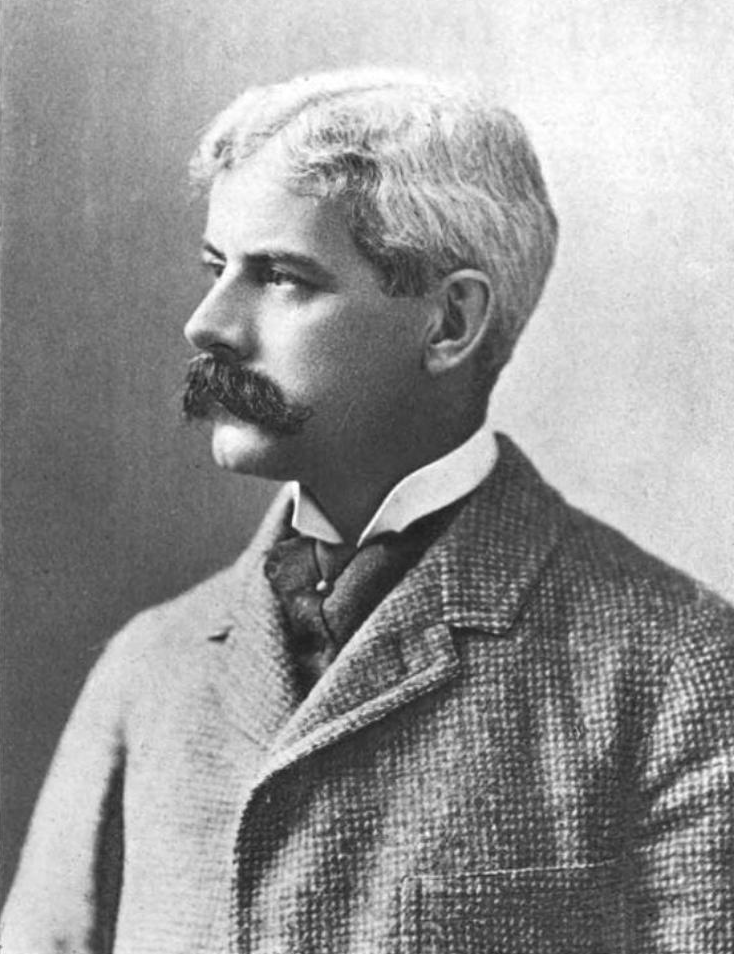
Frank Hamilton Cushing was an influential American anthropologist and ethnologist known for his groundbreaking studies of the Zuni Indians in New Mexico. Born in Pennsylvania, he became one of the first researchers to immerse himself in the culture he studied, employing participant observation as a key method in anthropology. His notable works, including 'Zuni Folk Tales' and 'The Zuni Indians: Their Mythology, Esoteric Fraternities, and Ceremonies,' showcased the rich traditions and social structures of the Zuni people, significantly contributing to the understanding of Native American cultures at a time when such perspectives were often overlooked. Cushing's legacy is complex; while he is celebrated for his innovative approach to ethnographic research, his methods have also sparked ethical debates regarding the implications of his work on indigenous communities. His experiences and the subsequent scrutiny of his practices serve as a critical case study in the ethics of anthropology and the responsibilities of researchers toward the cultures they study. Despite the controversies, Cushing's contributions laid the groundwork for future anthropological methods and highlighted the importance of cultural immersion in understanding human societies.
Books from the author




Link to this page
Add a free, dofollow link to Lex on your blog, forum, syllabus, or reading list.

<a href="https://lex-books.com/author/frank-hamilton-cushing"><img src="https://lex-books.com/badges/read-on-lex.svg" alt="Frank Hamilton Cushing on Lex" width="160" height="40"></a>[](https://lex-books.com/author/frank-hamilton-cushing)[url=https://lex-books.com/author/frank-hamilton-cushing][img]https://lex-books.com/badges/read-on-lex.svg[/img][/url]Frank Hamilton Cushing on Lex: https://lex-books.com/author/frank-hamilton-cushing