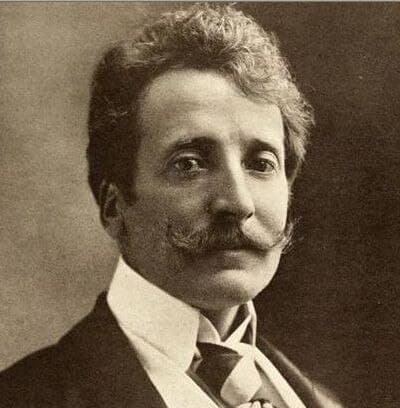
Georges Rodenbach
Georges Rodenbach was a prominent Belgian Symbolist poet and novelist, known for his innovative contributions to literature in the late 19th century. Born in a family with artistic inclinations, he developed a deep appreciation for the arts early in life, which influenced his literary career. Rodenbach's most notable work, 'Bruges-la-Morte,' published in 1892, is a poignant exploration of loss and memory, set against the backdrop of the hauntingly beautiful city of Bruges. This novel is often regarded as a seminal work of Symbolism, blending vivid imagery with emotional depth to evoke the melancholic atmosphere of the city and its impact on the human psyche. Rodenbach's writing is characterized by its lyrical quality and introspective themes, making him a key figure in the Symbolist movement. His poetry and prose often reflect a deep sense of nostalgia and a fascination with the interplay between reality and illusion. Through his works, he influenced later writers and artists, contributing to the development of modernist literature. Despite his relatively short life, Rodenbach's legacy endures, as he remains a significant figure in Belgian literature and an important voice in the Symbolist tradition.
Famous Quotes
View all 3 quotes“The widower reviewed his past in a sunless light which was intensified by the greyness of the November twilight, whilst the bells subtly impregnated the surrounding atmosphere with the melody of sounds that faded like the ashes of dead years.”
“She sinks. She sinks in holy sadness. Like an Ophelia in tears she sinks”
“As he walked, the sad faded leaves were driven pitilessly around him by the wind, and under the mingling influences of autumn and evening, a craving for the quietude of the grave … overtook him with unwanted intensity.”
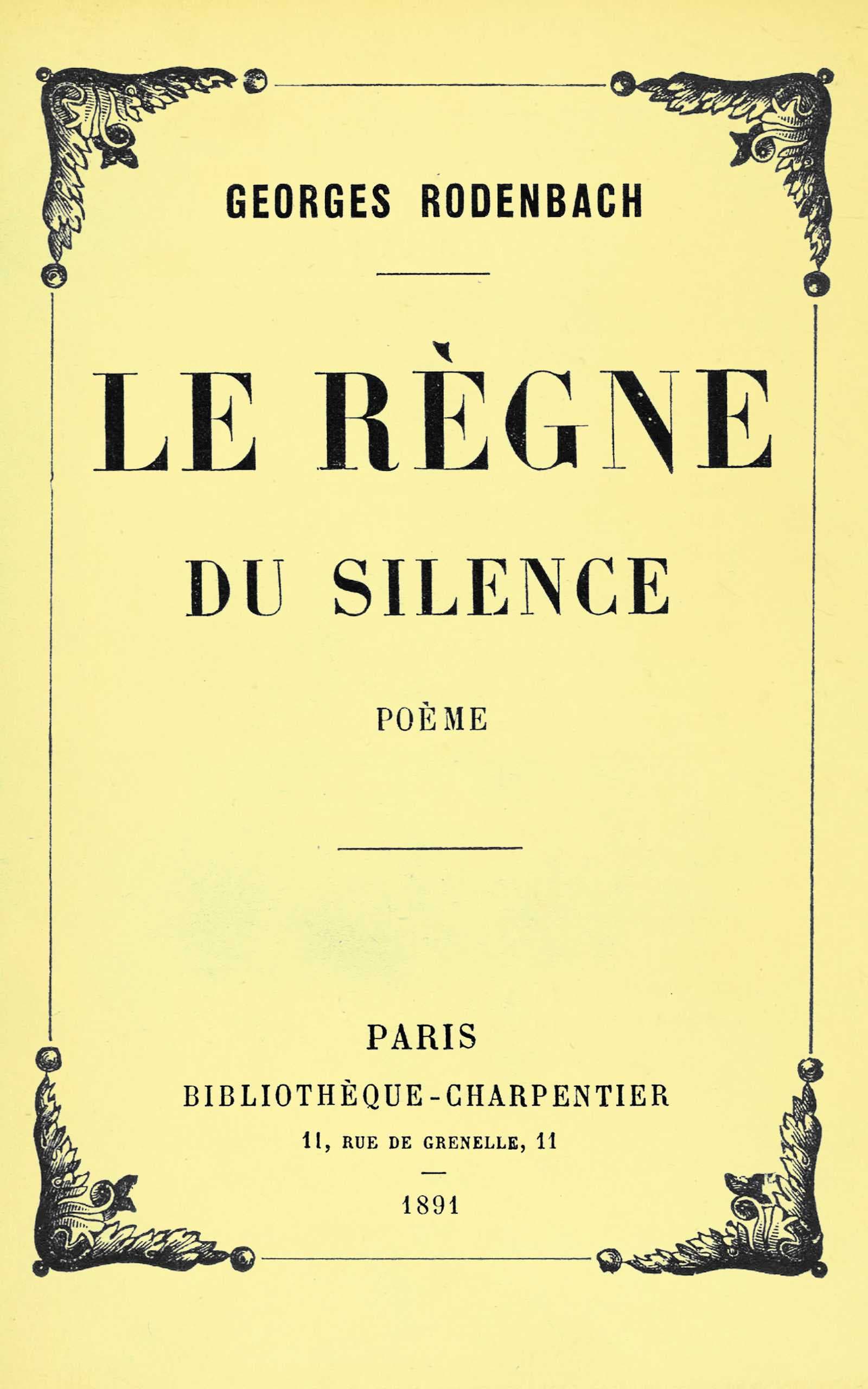
Books from the author


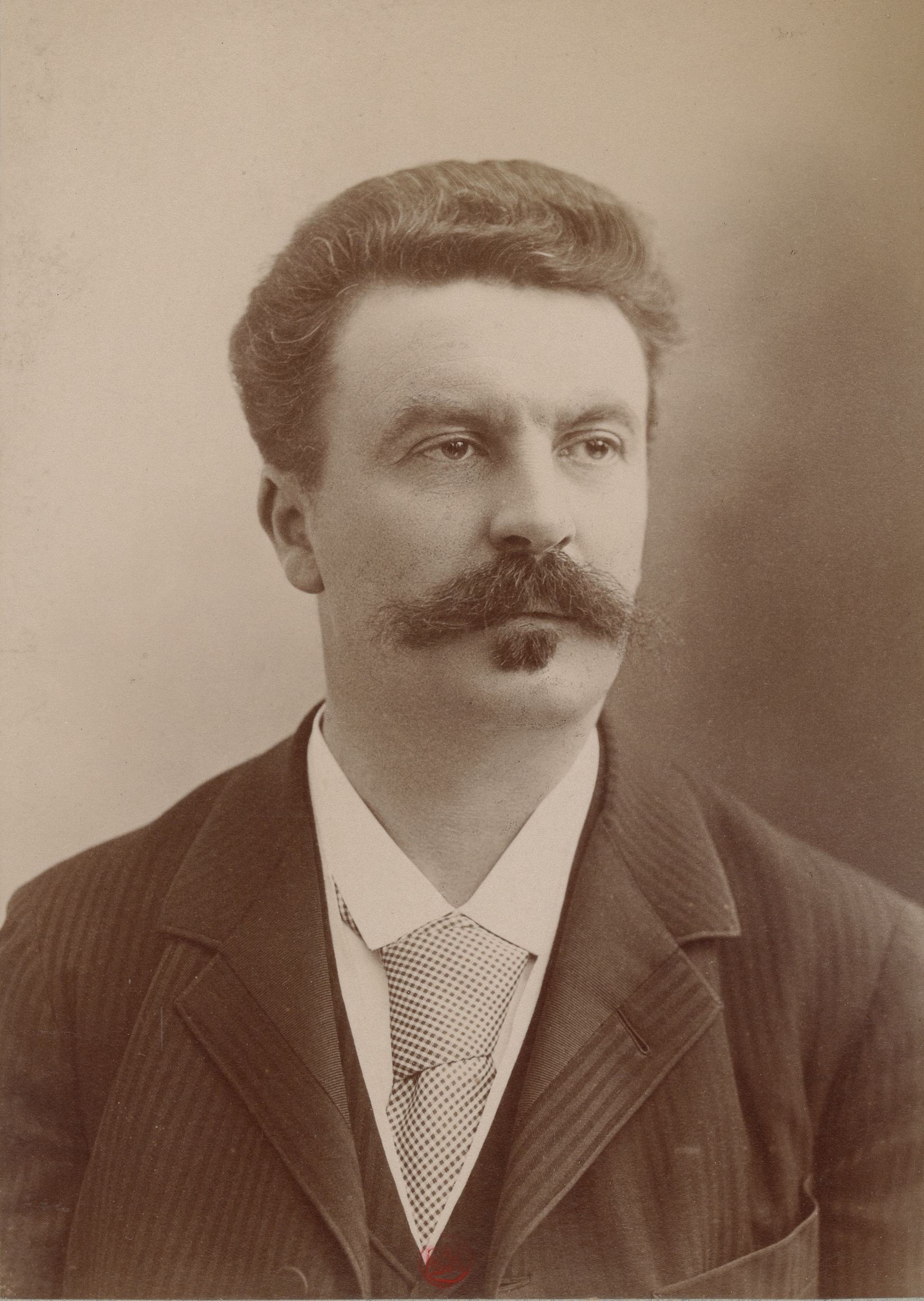



Link to this page
Add a free, dofollow link to Lex on your blog, forum, syllabus, or reading list.

<a href="https://lex-books.com/author/georges-rodenbach"><img src="https://lex-books.com/badges/read-on-lex.svg" alt="Georges Rodenbach on Lex" width="160" height="40"></a>[](https://lex-books.com/author/georges-rodenbach)[url=https://lex-books.com/author/georges-rodenbach][img]https://lex-books.com/badges/read-on-lex.svg[/img][/url]Georges Rodenbach on Lex: https://lex-books.com/author/georges-rodenbach