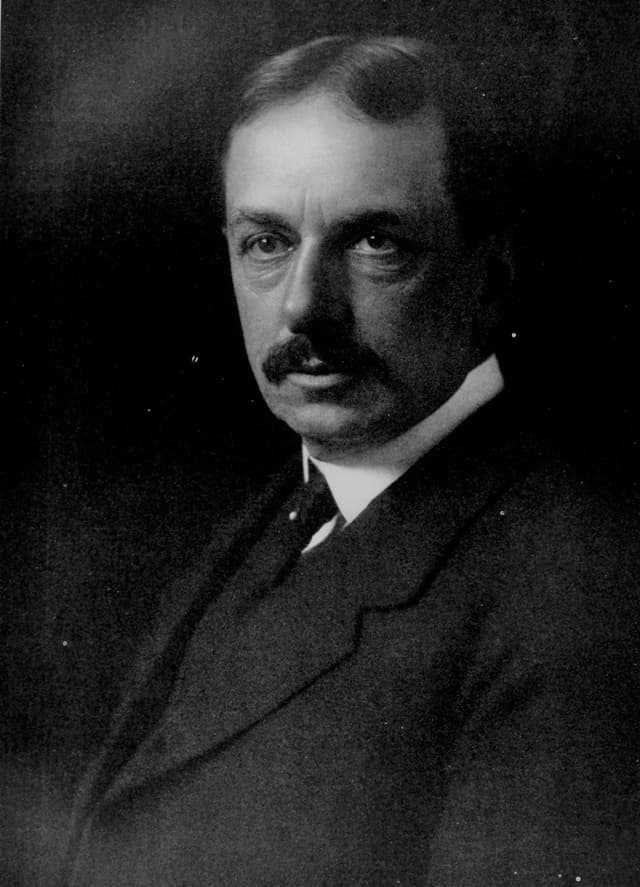
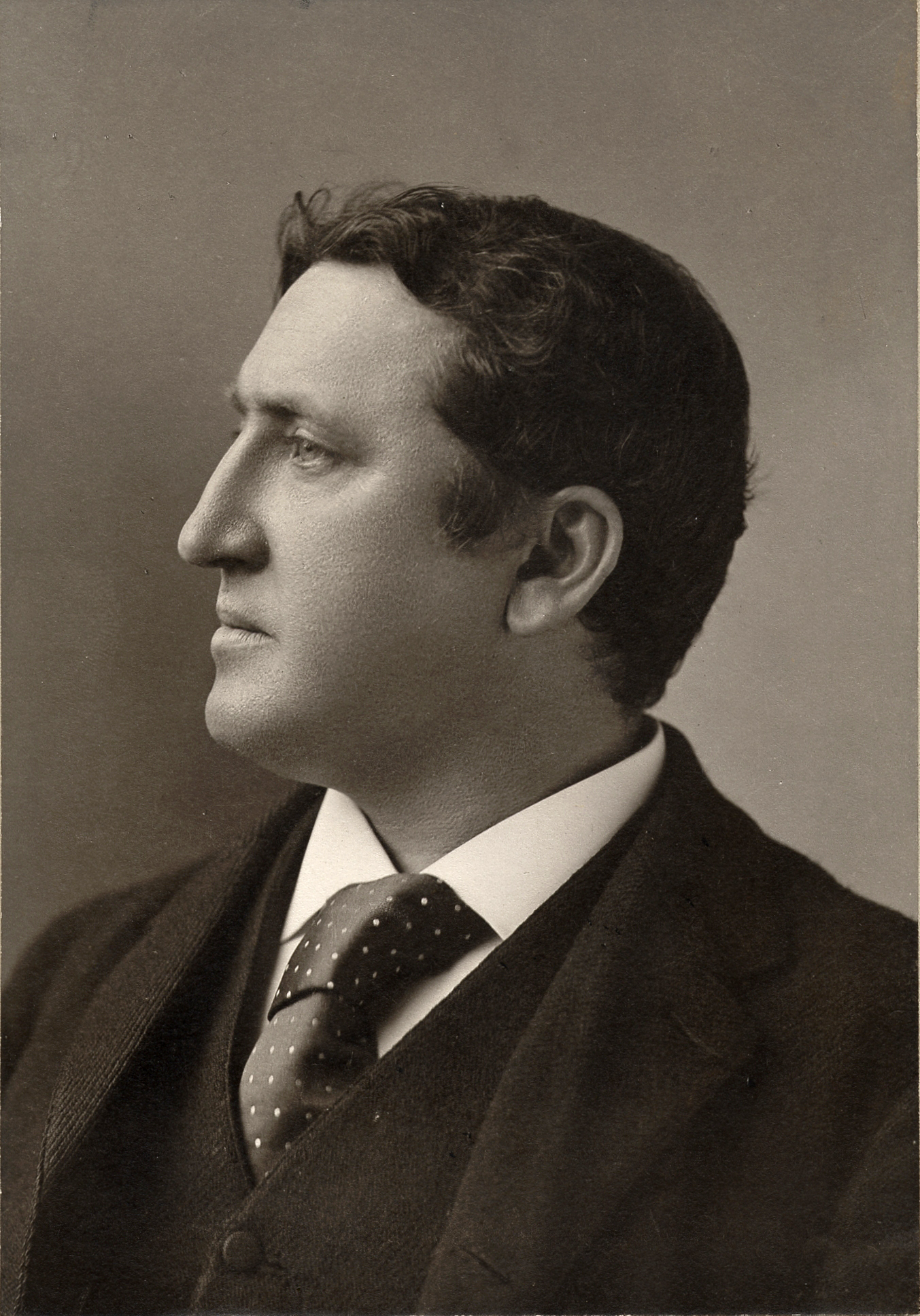
Henry Fairfield Osborn
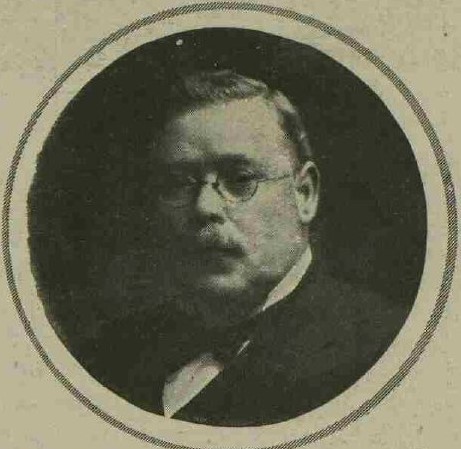
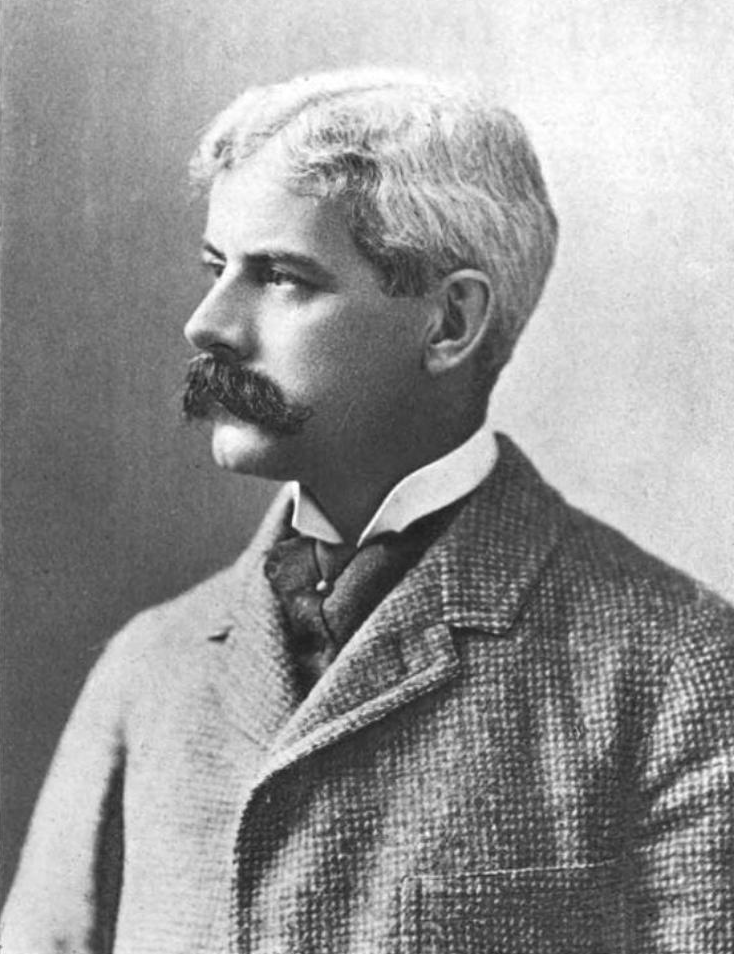
Henry Fairfield Osborn was a prominent American paleontologist and geologist, renowned for his significant contributions to the field of evolutionary biology. He served as a professor of anatomy at Columbia University and held the presidency of the American Museum of Natural History for 25 years. Osborn was instrumental in naming iconic dinosaurs such as Tyrannosaurus and Velociraptor, and he developed a widely adopted system for classifying the dental cusps of mammalian teeth. His research extended to fossil proboscideans, enhancing the understanding of elephants and their extinct relatives. Despite his acclaim, Osborn's legacy is complex, as he was a vocal advocate of eugenics and a proponent of orthogenesis, a theory that posited a predetermined direction in evolution, opposing the prevailing natural selection model championed by Darwin. During his lifetime, he was regarded as one of the most influential scientists in America, second only to Albert Einstein. Osborn's work not only advanced paleontology but also sparked significant debate within the scientific community regarding the mechanisms of evolution, leaving a lasting impact on both science and public discourse about human development and ancestry.
Famous Quotes
View all 3 quotes“No existing form of anthropoid ape is even remotely related to the stock which has given rise to man.”
“Quite recently the human descent theory has been stigmatized as the 'gorilla theory of human ancestry.' All this despite the fact that Darwin himself, in the days when not a single bit of evidence regarding the fossil ancestors of man was recognized, distinctly stated that none of the known anthropoid apes, much less any of the known monkeys, should be considered in any way as ancestral to the human stock.”
“The evolution of higher and of lower forms of life is as well and as soundly established as the eternal hills. It has long since ceased to be a theory; it is a law of Nature as universal in living things as is the law of gravitation in material things and in the motions of the heavenly spheres.”
Books from the author
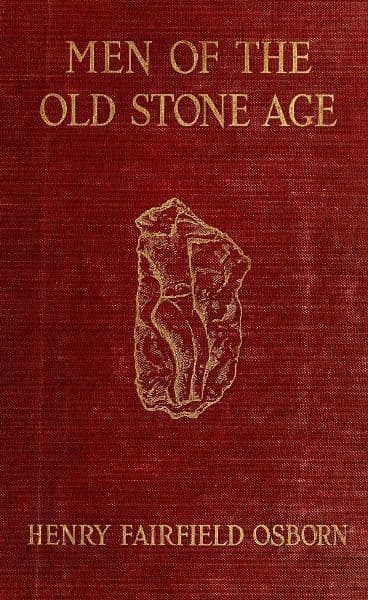
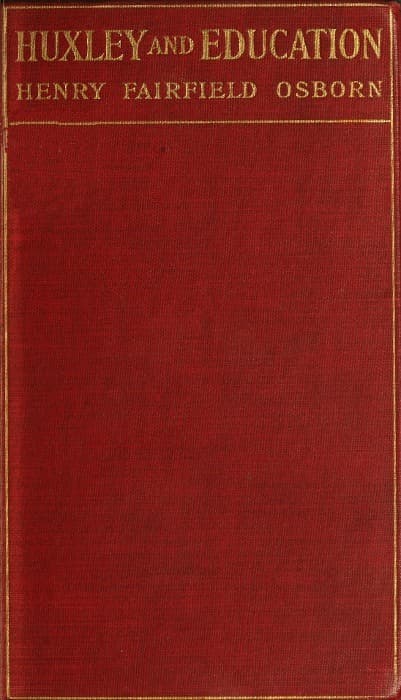



Link to this page
Add a free, dofollow link to Lex on your blog, forum, syllabus, or reading list.

<a href="https://lex-books.com/author/henry-fairfield-osborn"><img src="https://lex-books.com/badges/read-on-lex.svg" alt="Henry Fairfield Osborn on Lex" width="160" height="40"></a>[](https://lex-books.com/author/henry-fairfield-osborn)[url=https://lex-books.com/author/henry-fairfield-osborn][img]https://lex-books.com/badges/read-on-lex.svg[/img][/url]Henry Fairfield Osborn on Lex: https://lex-books.com/author/henry-fairfield-osborn