
Gustav Kobbé
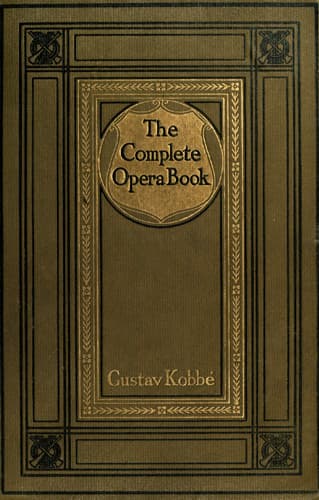
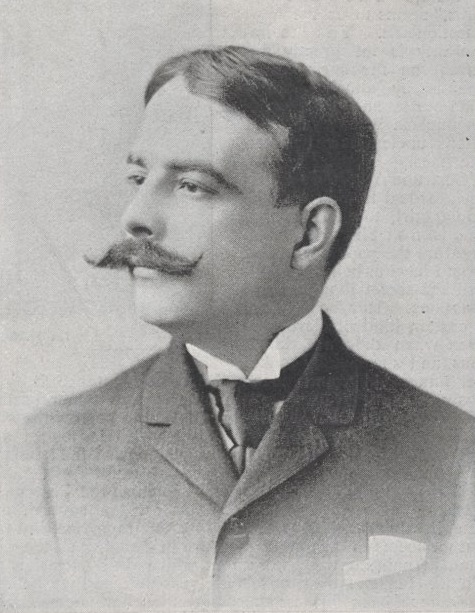
Gustav Kobbé was a prominent American musicologist and writer, known for his extensive contributions to the understanding and appreciation of opera and classical music. Born in 1857, Kobbé's literary career flourished in the late 19th and early 20th centuries, a period marked by a growing interest in music as an art form. His most notable work, 'The Complete Opera Book,' provided readers with a comprehensive guide to the stories of operas, along with musical notation for key arias and motifs, making it an essential resource for both enthusiasts and performers alike. Kobbé's ability to distill complex musical concepts into accessible language helped bridge the gap between the lay audience and the intricacies of operatic performance. In addition to his work on opera, Kobbé authored 'How to Appreciate Music,' which aimed to educate readers on the fundamentals of music appreciation, emphasizing the emotional and intellectual engagement with music. His writings on Richard Wagner, including 'Wagner's music-dramas analyzed,' showcased his deep understanding of Wagner's innovative contributions to the genre, further solidifying Kobbé's reputation as a key figure in music criticism. Kobbé's legacy lies in his commitment to making music accessible and enjoyable, fostering a greater appreciation for the art form during a transformative era in the world of classical music.
Famous Quotes
View all 2 quotes“All art begins with a groping after form, then attains form, and then emancipates itself from too great insistence upon rigidity of form without, however, reverting to its early formless condition.””
“With a musical work, no matter how intellectual or dramatic its foundation, its test ever will be its value as pure music.””
Books from the author






Link to this page
Add a free, dofollow link to Lex on your blog, forum, syllabus, or reading list.

<a href="https://lex-books.com/author/gustav-kobbé"><img src="https://lex-books.com/badges/read-on-lex.svg" alt="Gustav Kobbé on Lex" width="160" height="40"></a>[](https://lex-books.com/author/gustav-kobbé)[url=https://lex-books.com/author/gustav-kobbé][img]https://lex-books.com/badges/read-on-lex.svg[/img][/url]Gustav Kobbé on Lex: https://lex-books.com/author/gustav-kobbé