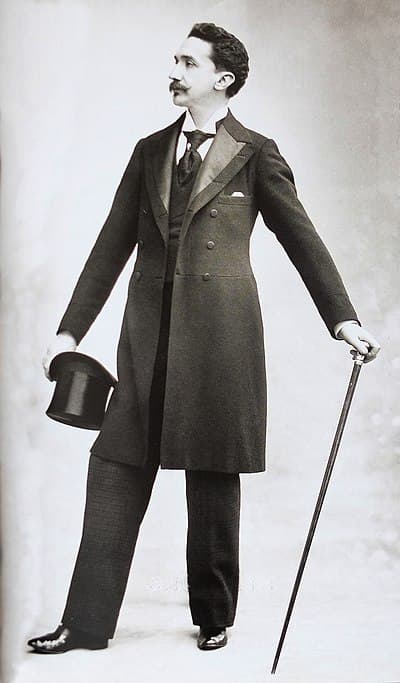
Robert, comte de Montesquiou-Fézensac
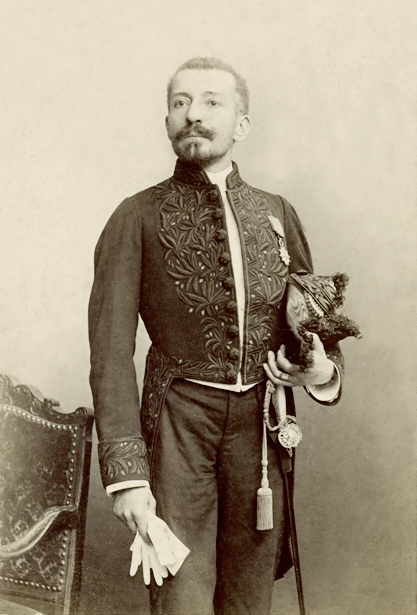
Robert, comte de Montesquiou-Fézensac was a prominent French poet, art critic, and dandy whose life and work epitomized the aesthetic movement of the late 19th and early 20th centuries. Born into an aristocratic family, Montesquiou was deeply immersed in the cultural milieu of Paris, where he became a key figure in artistic circles, mingling with luminaries such as Marcel Proust and Paul Verlaine. His poetry often explored themes of beauty, desire, and the ephemeral nature of art, reflecting the sensibilities of the Symbolist movement. Notable works include his collection "Les Épaves" and the influential essays that showcased his keen insights into contemporary art and literature. Montesquiou's legacy extends beyond his own writings; he played a significant role in shaping the aesthetic tastes of his time and was an important patron of the arts. His flamboyant persona and lifestyle made him a symbol of the fin de siècle, and his influence can be seen in the works of later writers and artists who sought to capture the complexities of modern life. His life, marked by a blend of aristocratic privilege and artistic ambition, continues to intrigue scholars and enthusiasts of French literature and culture, highlighting the interplay between art and identity in a rapidly changing world.
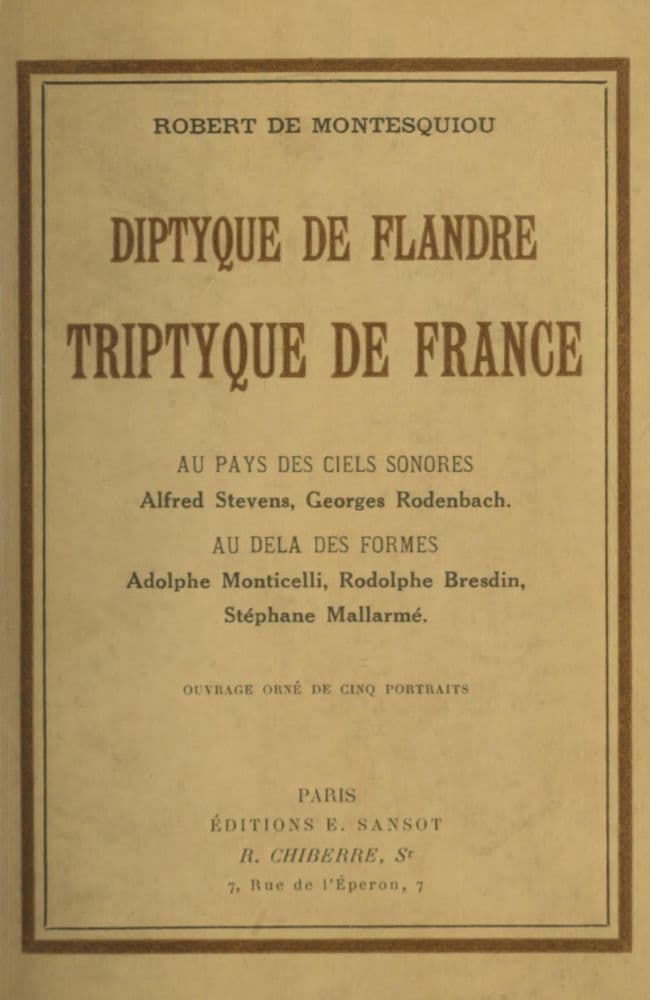
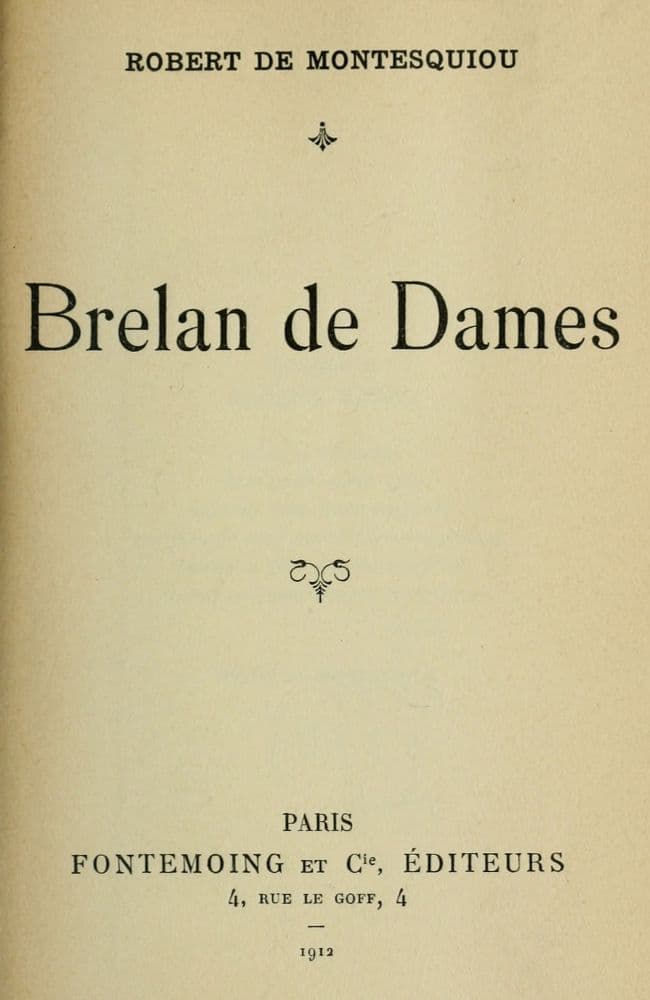
Books from the author


Link to this page
Add a free, dofollow link to Lex on your blog, forum, syllabus, or reading list.

<a href="https://lex-books.com/author/robert-comte-de-montesquiou-fézensac"><img src="https://lex-books.com/badges/read-on-lex.svg" alt="Robert, comte de Montesquiou-Fézensac on Lex" width="160" height="40"></a>[](https://lex-books.com/author/robert-comte-de-montesquiou-fézensac)[url=https://lex-books.com/author/robert-comte-de-montesquiou-fézensac][img]https://lex-books.com/badges/read-on-lex.svg[/img][/url]Robert, comte de Montesquiou-Fézensac on Lex: https://lex-books.com/author/robert-comte-de-montesquiou-fézensac