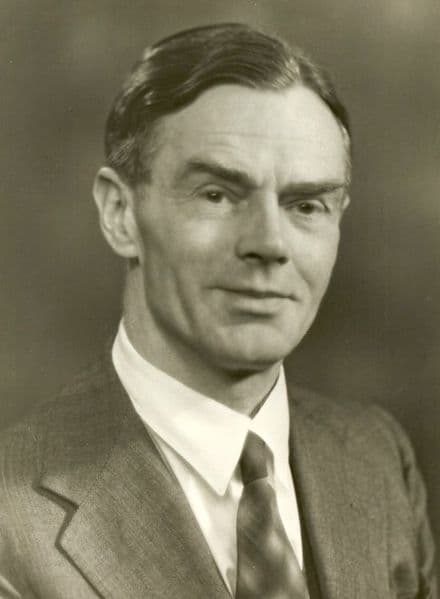
Owen Barfield
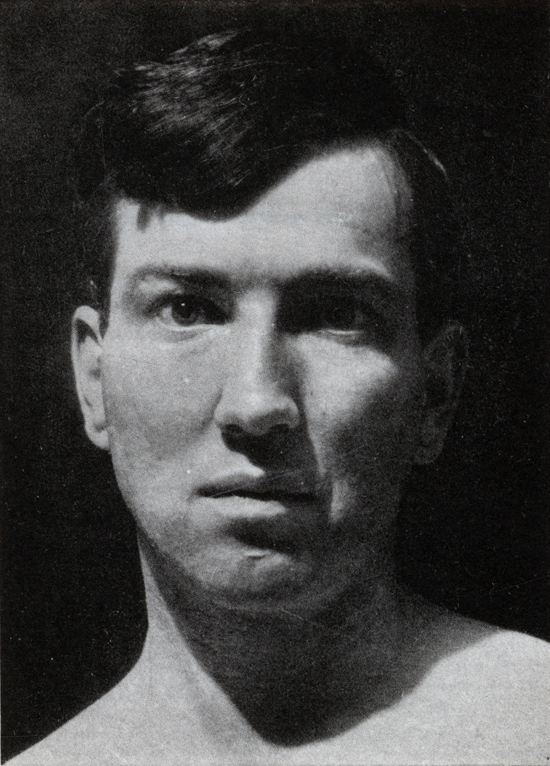
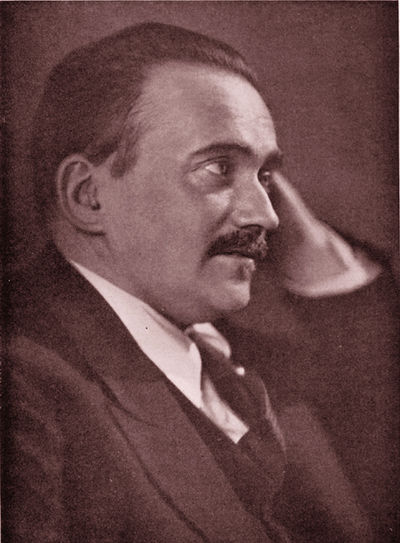
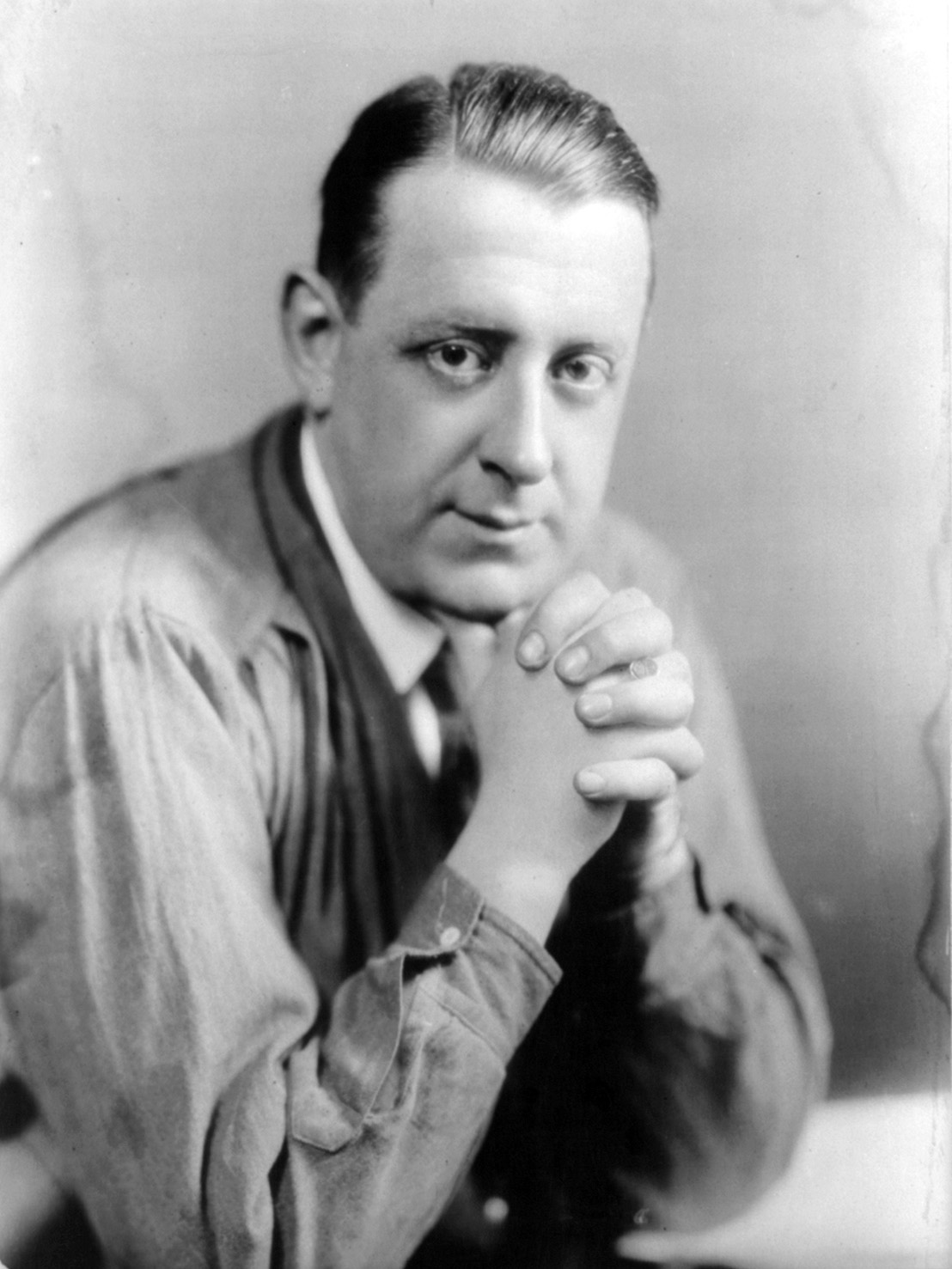
Owen Barfield was an influential English philosopher, poet, and author, best known for his association with the literary group known as the Inklings, which included notable figures such as J.R.R. Tolkien and C.S. Lewis. His philosophical work focused on the evolution of consciousness and the relationship between language and reality, which he explored in depth in his seminal texts, including 'Poetic Diction' and 'Saving the Appearances'. Barfield's ideas contributed significantly to the fields of literary criticism and philosophy, particularly through his exploration of how language shapes human perception and understanding. Barfield's literary contributions extended beyond philosophy; he was also a poet whose works reflected his deep engagement with the natural world and the human experience. His poetry often intertwined with his philosophical inquiries, showcasing his belief in the transformative power of imagination. Through his writings, Barfield challenged conventional views of language and reality, advocating for a more dynamic understanding of both. His legacy endures in the realms of literature and philosophy, where he is remembered as a pioneering thinker who bridged the gap between the two disciplines, influencing generations of writers and scholars.
Famous Quotes
View all 3 quotes“The obvious is the hardest thing of all to point out to anyone who has genuinely lost sight of it.”
“Imagination is not, as some poets have thought, simply synonymous with good. It may be either good or evil. As long as art remained primarily mimetic, the evil which imagination could do was limited by nature. Again, as long as it was treated as an amusement, the evil which it could do was limited in scope. But in an age when the connection between imagination and figuration is beginning to be dimly realized, when the fact of the directionally creator relation is beginning to break through into consciousness, both the good and the evil latent in the working of imagination begin to appear unlimited. We have seen in the Romantic movement an instance of the way in which the making of images may react upon the collective representations. It is a fairly rudimentary instance, but even so it has already gone beyond the dreams and responses of a leisured few. The economic and social structure of Switzerland is noticeably affected by its tourist industry, and that is due only in part to increased facilities of travel. It is due not less to the condition that (whatever may be said about their ‘particles’) the mountains which twentieth-century man sees are not the mountains which eighteenth-century man saw. It may be objected that this is a very small matter, and that it will be a long time before the imagination of man substantially alters those appearances of nature with which his figuration supplies him. But then I am taking the long view. Even so, we need not be too confident. Even if the pace of change remained the same, one who is really sensitive to (for example) the difference between the medieval collective representations and our own will be aware that, without traveling any greater distance than we have come since the fourteenth century, we could very well move forward into a chaotically empty or fantastically hideous world. But the pace of change has not remained the same. It has accelerated and is accelerating. We should remember this, when appraising the aberrations of the formally representational arts. Of course, in so far as these are due to affectation, they are of no importance. But in so far as they are genuine, they are genuine because the artist has in some way or other experienced the world he represents. And in so far as they are appreciated, they are appreciated by those who are themselves willing to make a move towards seeing the world in that way, and, ultimately therefore, seeing that kind of world. We should remember this, when we see pictures of a dog with six legs emerging from a vegetable marrow or a woman with a motorbicycle substituted for her left breast.”
“When the velocity of progress increases beyond a certain point, it becomes indistinguishable from crisis.”
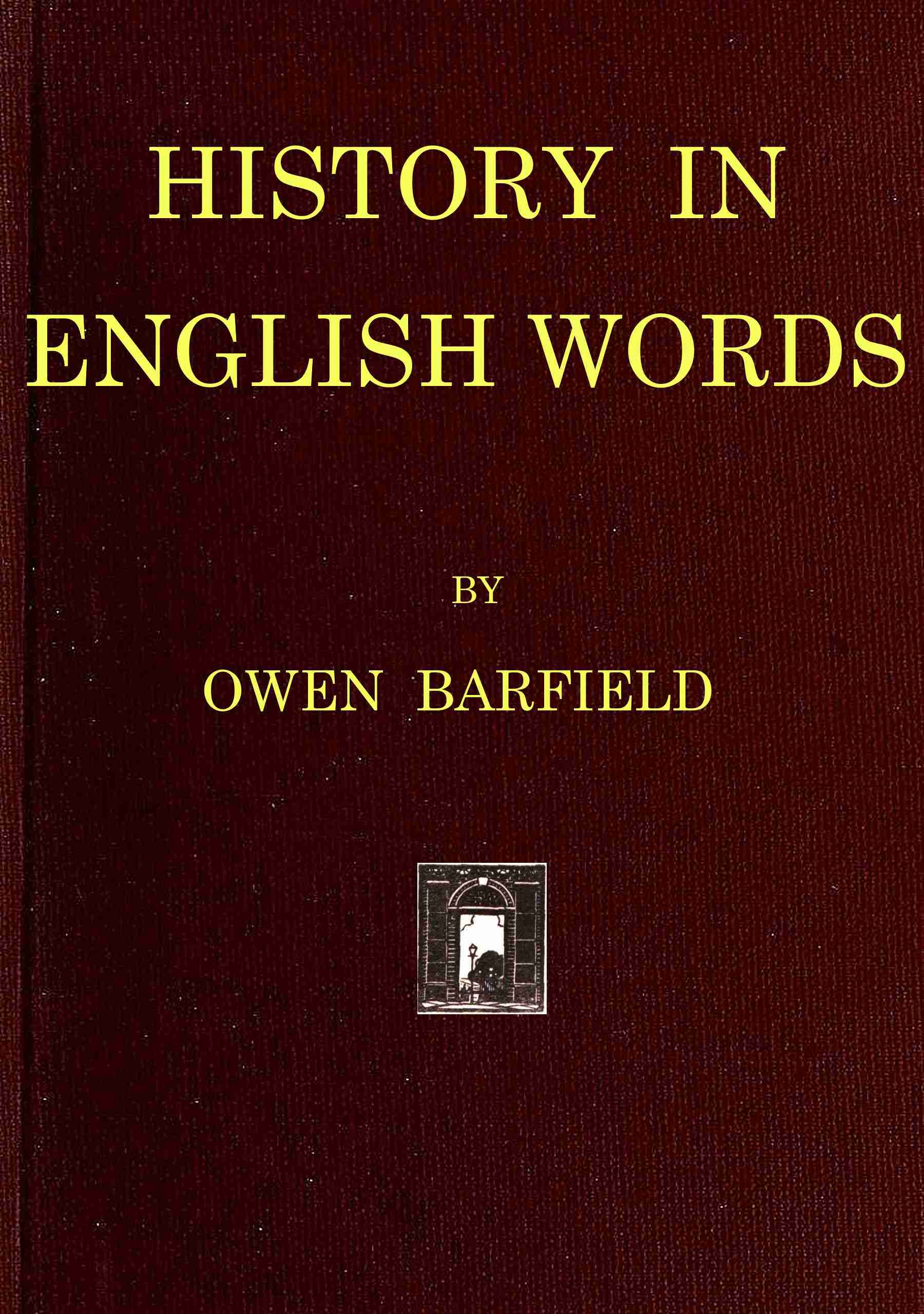
Books from the author


Link to this page
Add a free, dofollow link to Lex on your blog, forum, syllabus, or reading list.

<a href="https://lex-books.com/author/owen-barfield"><img src="https://lex-books.com/badges/read-on-lex.svg" alt="Owen Barfield on Lex" width="160" height="40"></a>[](https://lex-books.com/author/owen-barfield)[url=https://lex-books.com/author/owen-barfield][img]https://lex-books.com/badges/read-on-lex.svg[/img][/url]Owen Barfield on Lex: https://lex-books.com/author/owen-barfield