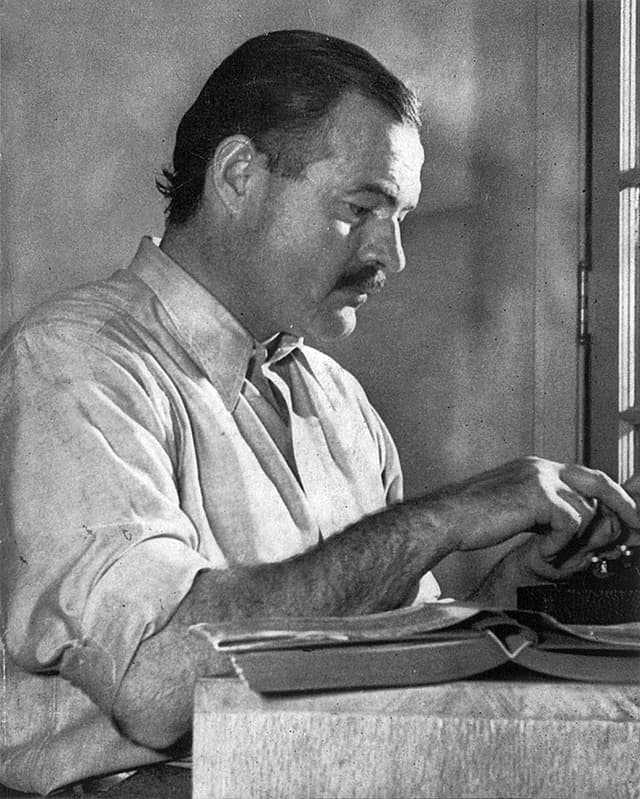
Ernest Hemingway
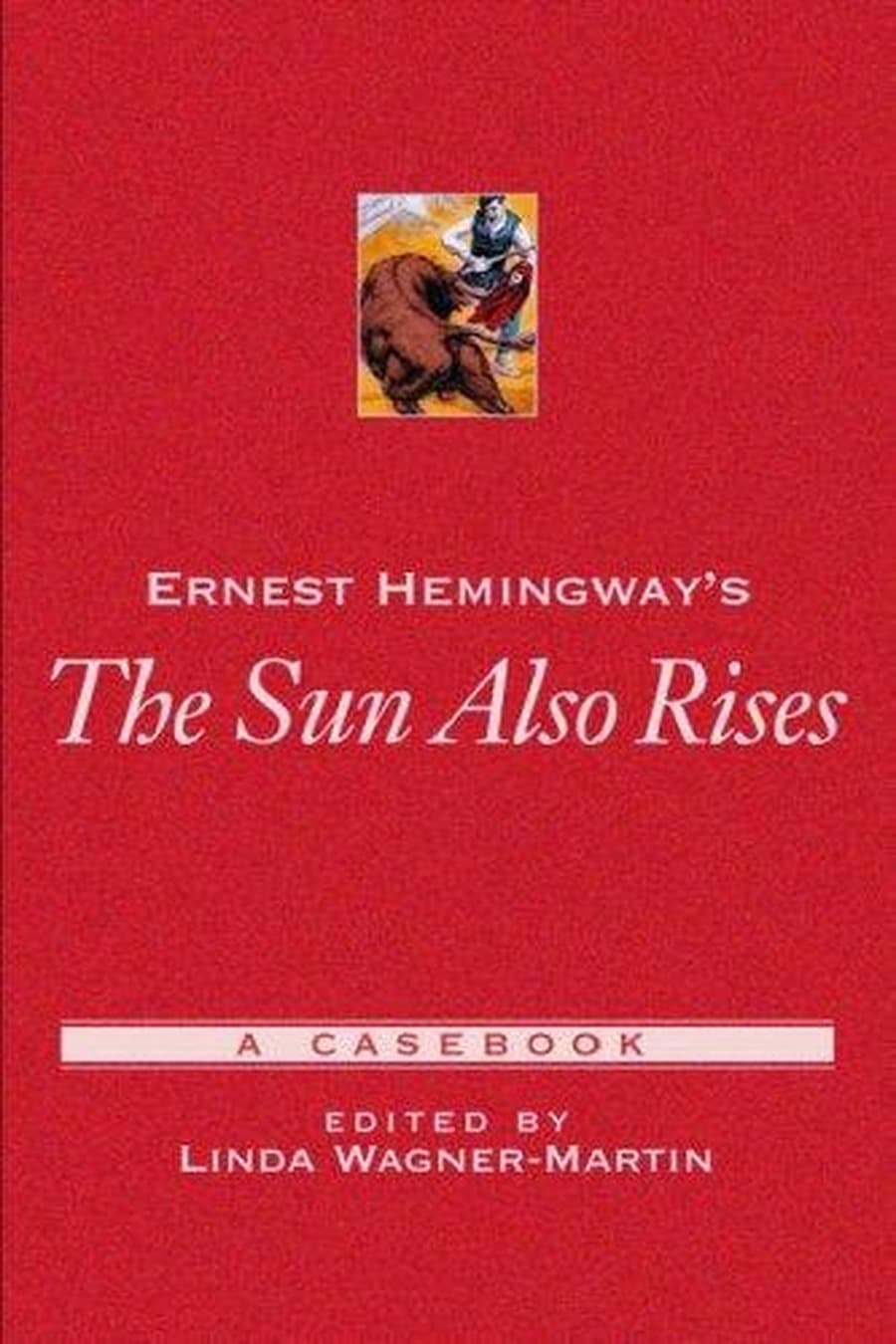
Ernest Hemingway was an influential American novelist, short-story writer, and journalist, renowned for his succinct and impactful prose style that left a lasting mark on 20th-century literature. Born in Oak Park, Illinois, he began his career as a reporter before serving as an ambulance driver during World War I, an experience that profoundly shaped his writing. His debut novel, The Sun Also Rises, published in 1926, captured the disillusionment of the post-war 'Lost Generation' and established him as a prominent voice in modernist literature. Hemingway's subsequent works, including A Farewell to Arms and For Whom the Bell Tolls, drew heavily from his wartime experiences and showcased his ability to convey complex human emotions through simple yet powerful language. Hemingway's literary significance was further solidified with the publication of The Old Man and the Sea in 1952, which won the Pulitzer Prize for Fiction and exemplified his themes of struggle and resilience. His adventurous lifestyle and public persona, often romanticized, contributed to his status as an iconic figure in American culture. Despite his accolades, including the Nobel Prize in Literature in 1954, Hemingway faced personal challenges, including health issues stemming from his experiences in war and later life. He ultimately took his own life in 1961, leaving behind a legacy that continues to influence writers and readers alike, marking him as a pivotal figure in American literature.
Famous Quotes
View all 3 quotes“There is no friend as loyal as a book.”
“There is nothing to writing. All you do is sit down at a typewriter and bleed.”
“Happiness in intelligent people is the rarest thing I know.”
Books from the author
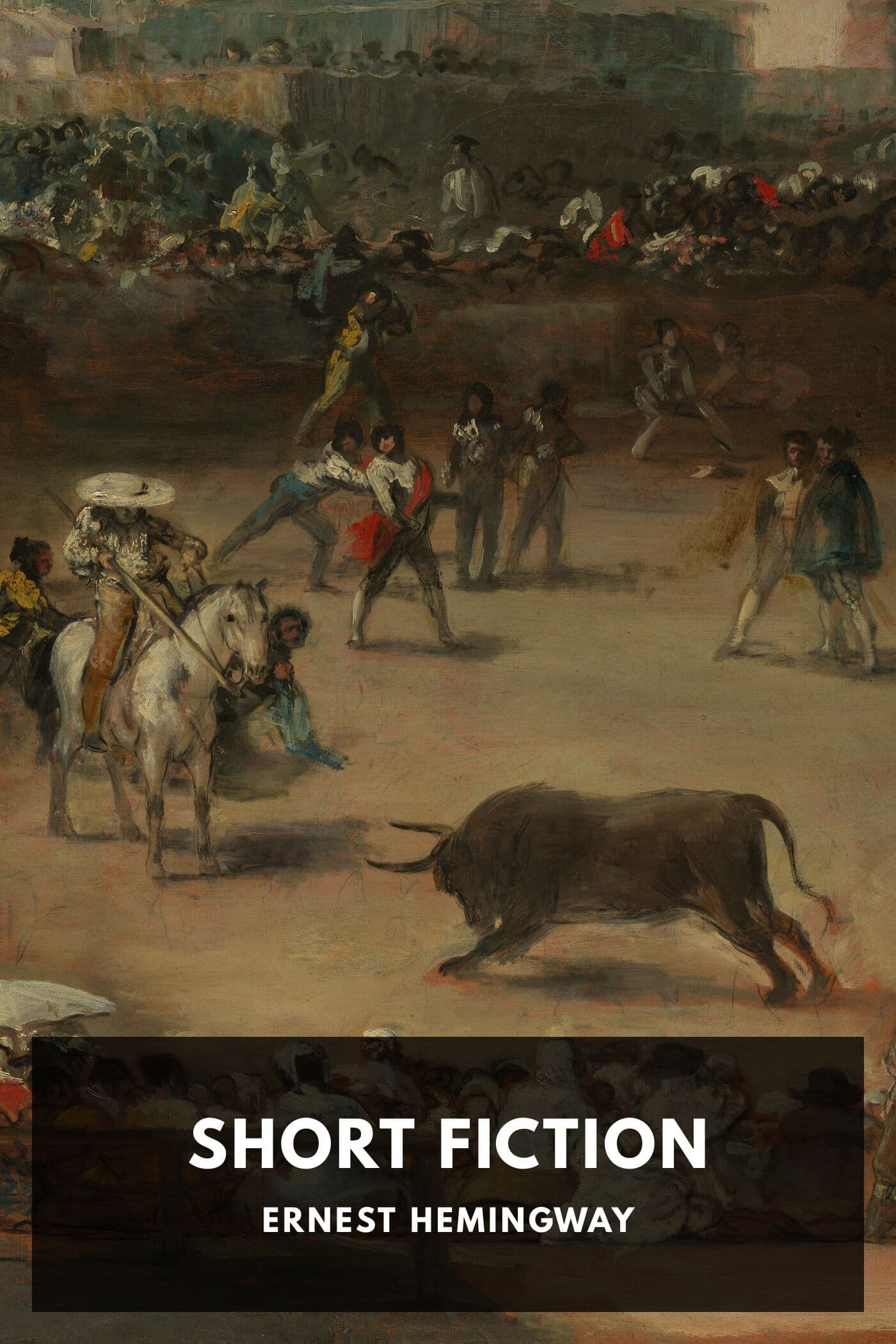








Link to this page
Add a free, dofollow link to Lex on your blog, forum, syllabus, or reading list.

<a href="https://lex-books.com/author/ernest-hemingway"><img src="https://lex-books.com/badges/read-on-lex.svg" alt="Ernest Hemingway on Lex" width="160" height="40"></a>[](https://lex-books.com/author/ernest-hemingway)[url=https://lex-books.com/author/ernest-hemingway][img]https://lex-books.com/badges/read-on-lex.svg[/img][/url]Ernest Hemingway on Lex: https://lex-books.com/author/ernest-hemingway