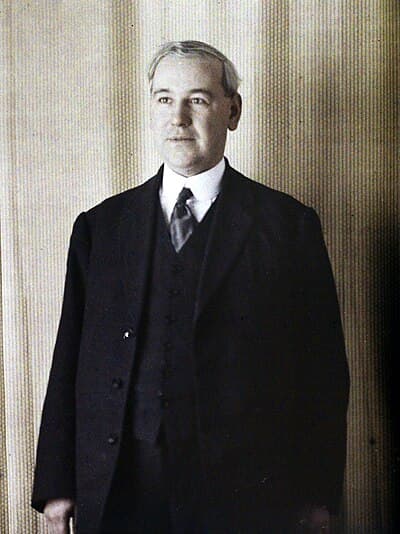
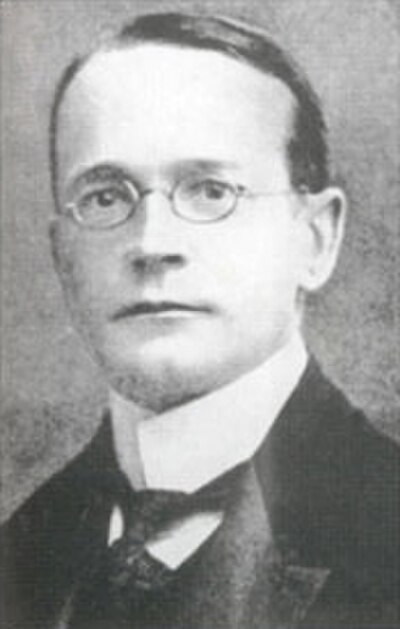
Herbert Adams Gibbons
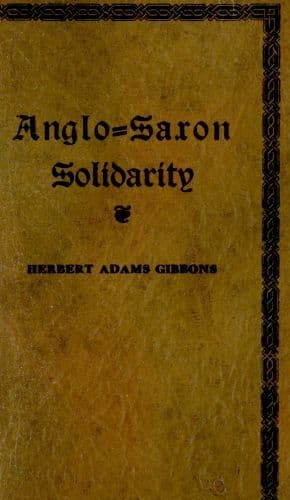
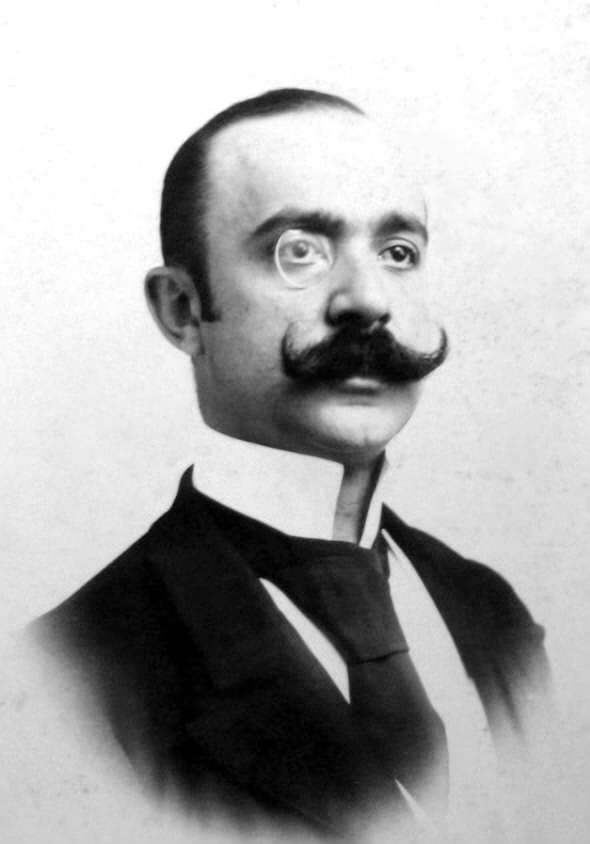
Herbert Adams Gibbons was an influential American missionary and journalist whose work focused on international politics and the complexities of European colonialism in the early 20th century. He gained prominence for his insightful analyses in books such as The New Map of Asia, The New Map of Africa, and The New Map of Europe, which provided critical perspectives on the geopolitical changes occurring during his lifetime. Gibbons's writings not only informed American audiences about global affairs but also highlighted the intricacies of colonial dynamics and their impacts on various regions. Gibbons's notable study, The Foundation of the Ottoman Empire, was crafted during his time in Istanbul and remains a significant contribution to the understanding of Ottoman history. His career as a foreign correspondent spanned from 1908 to 1934, during which he reported from diverse locations including Greece, Spain, Turkey, Africa, and China. His articles were widely syndicated, appearing in eighty newspapers across the United States, which helped to shape public discourse on international issues. Gibbons's legacy lies in his ability to bridge journalism and scholarship, offering a nuanced view of the world during a period of profound change.
Famous Quotes
View all 1 quotes“Of an August day in Paris the choice hour is from six to seven in the evening. The choice promenade is the Seine between the Pont Alexandre III and the Pont de l'Archevêché. If one walks down the quays of the Rive Gauche toward Notre-Dame first, and then turns back on the Rive Droite, he has the full glory of the setting sun before him and reaches the Place de la Concorde just in time to get a glimpse up the Champs Élysées toward the Arc de Triomphe as the last light of day is disappearing. I am not yet old enough to have taken this walk a thousand times, but when I have I am sure that it will present the same fascination, the same stirring of soul, the same exaltation that it does to-day. Choose, if you will, your August sunset at the seashore or in the mountains. There you have nature unspoiled, you say. But is there not a revelation of God through animate as well as inanimate creation? If we can have the sun going down on both at the same time, why not? Notre-Dame may be surpassed by other churches, even in France. But Notre-Dame, in its setting on the island that Is the heart and center of this city, historically and architecturally that high water mark of human endeavor, cannot be surpassed. Standing on the bridge between the Morgue and the Ile St-Louis, and looking towards the setting sun, one sees the most perfect blending of the creation of God and the creation of the creatures of God that the world affords. And it is not because I have not seen the sunset from the Acropolis, from the Janiculum, from the Golden Horn, and from the steps of El Akbar, that I make this statement. Athens, Rome, Constantinople, Cairo- these have been, but Paris is.”
Books from the author
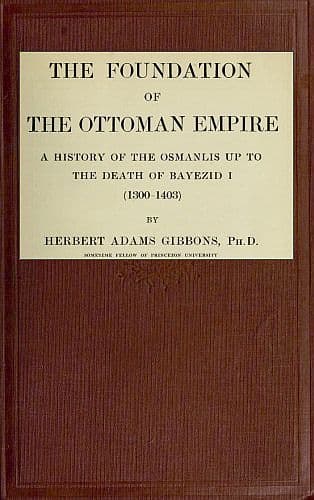
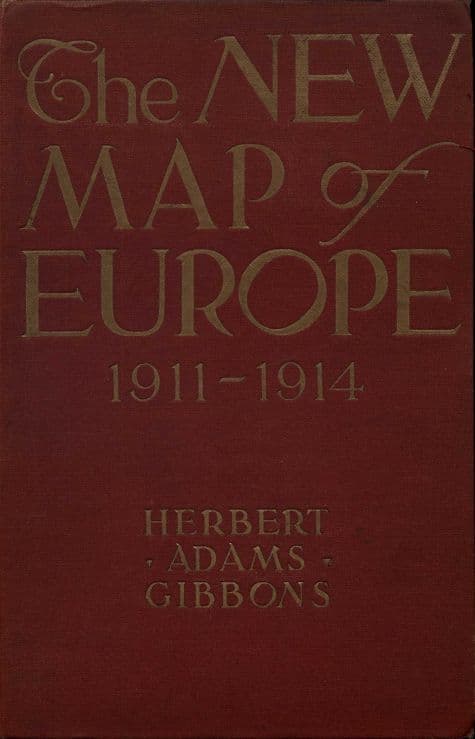
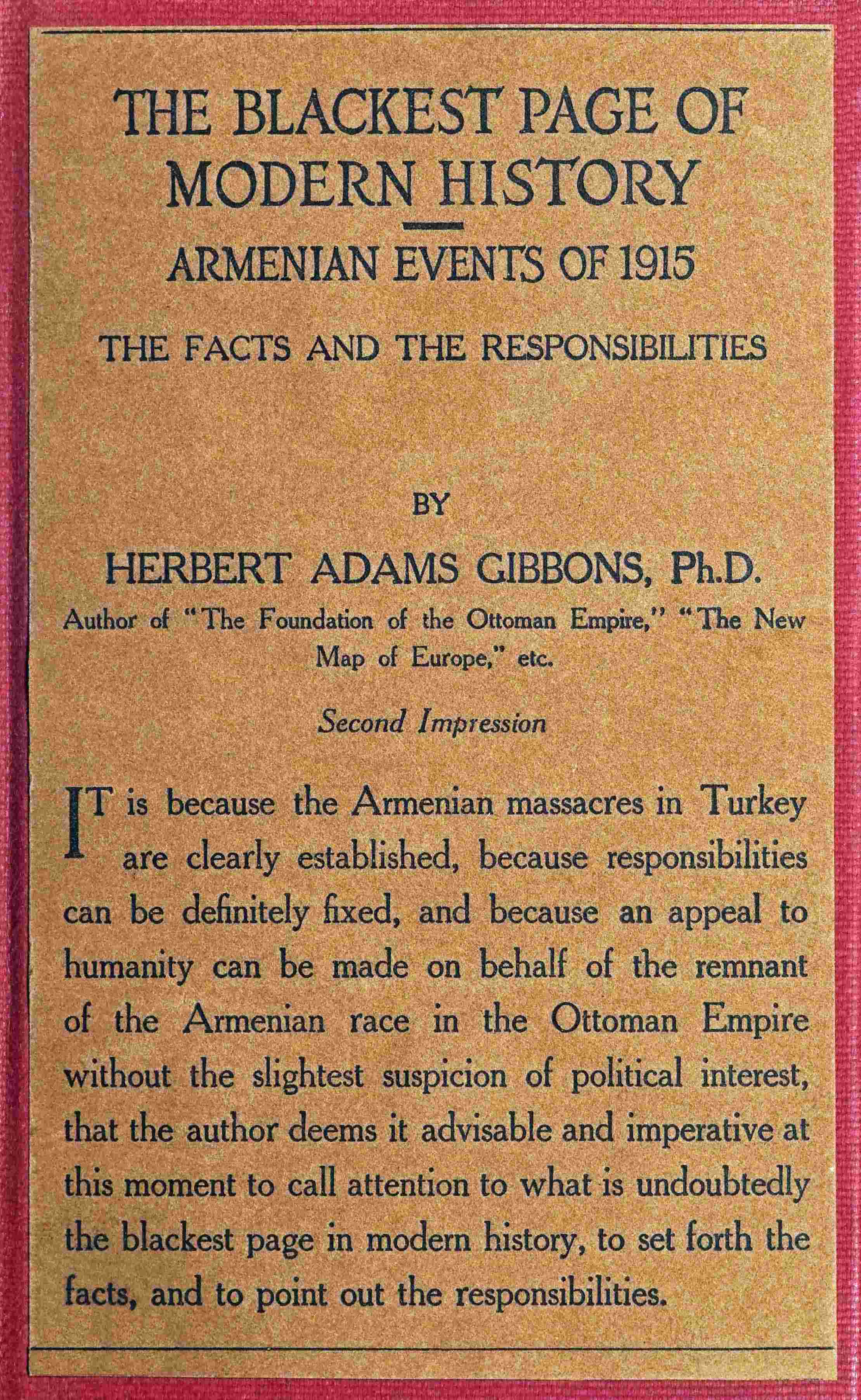






Link to this page
Add a free, dofollow link to Lex on your blog, forum, syllabus, or reading list.

<a href="https://lex-books.com/author/herbert-adams-gibbons"><img src="https://lex-books.com/badges/read-on-lex.svg" alt="Herbert Adams Gibbons on Lex" width="160" height="40"></a>[](https://lex-books.com/author/herbert-adams-gibbons)[url=https://lex-books.com/author/herbert-adams-gibbons][img]https://lex-books.com/badges/read-on-lex.svg[/img][/url]Herbert Adams Gibbons on Lex: https://lex-books.com/author/herbert-adams-gibbons