Oskar Bie
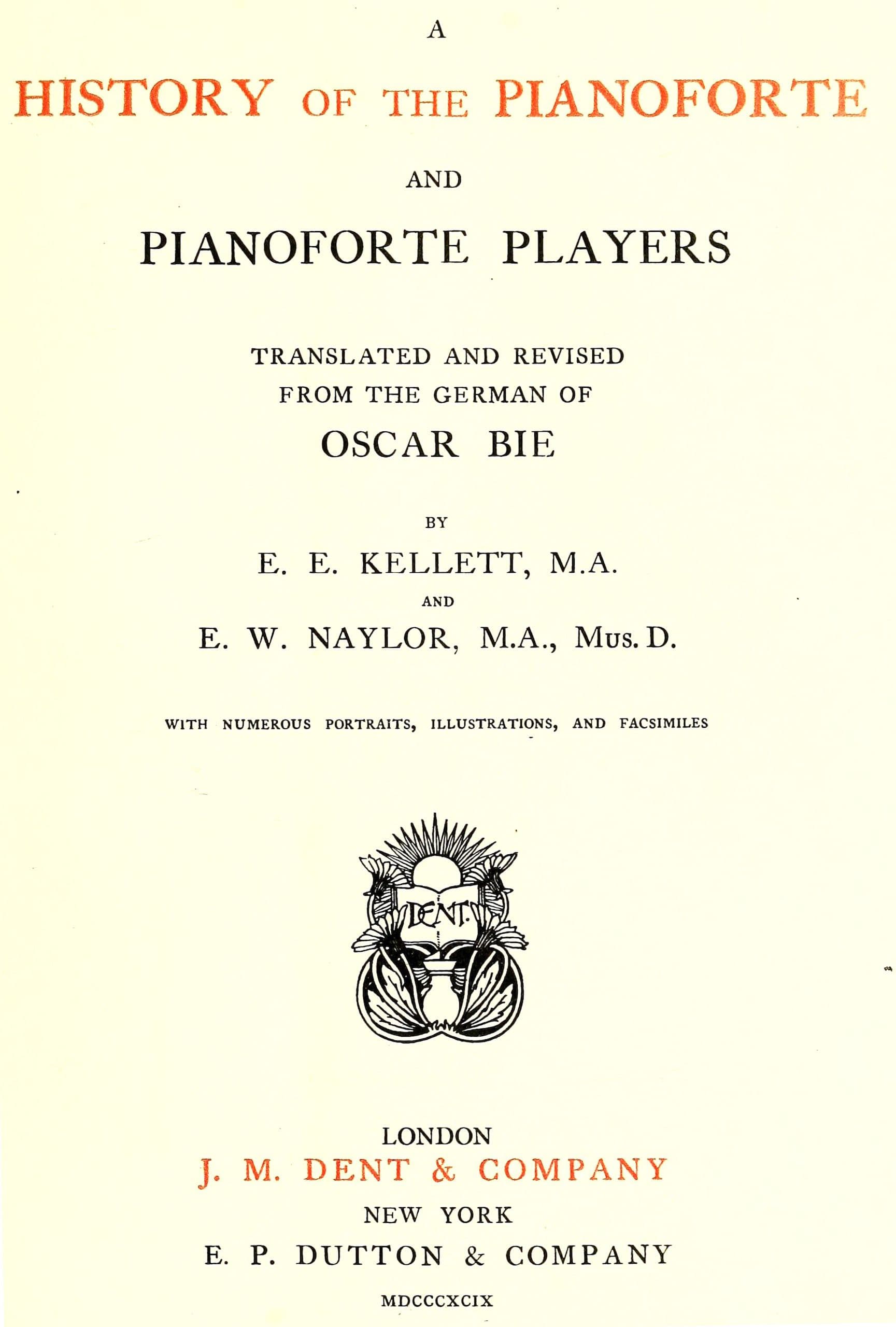
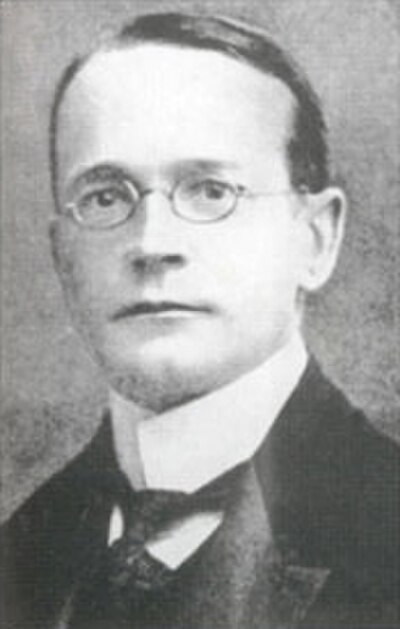
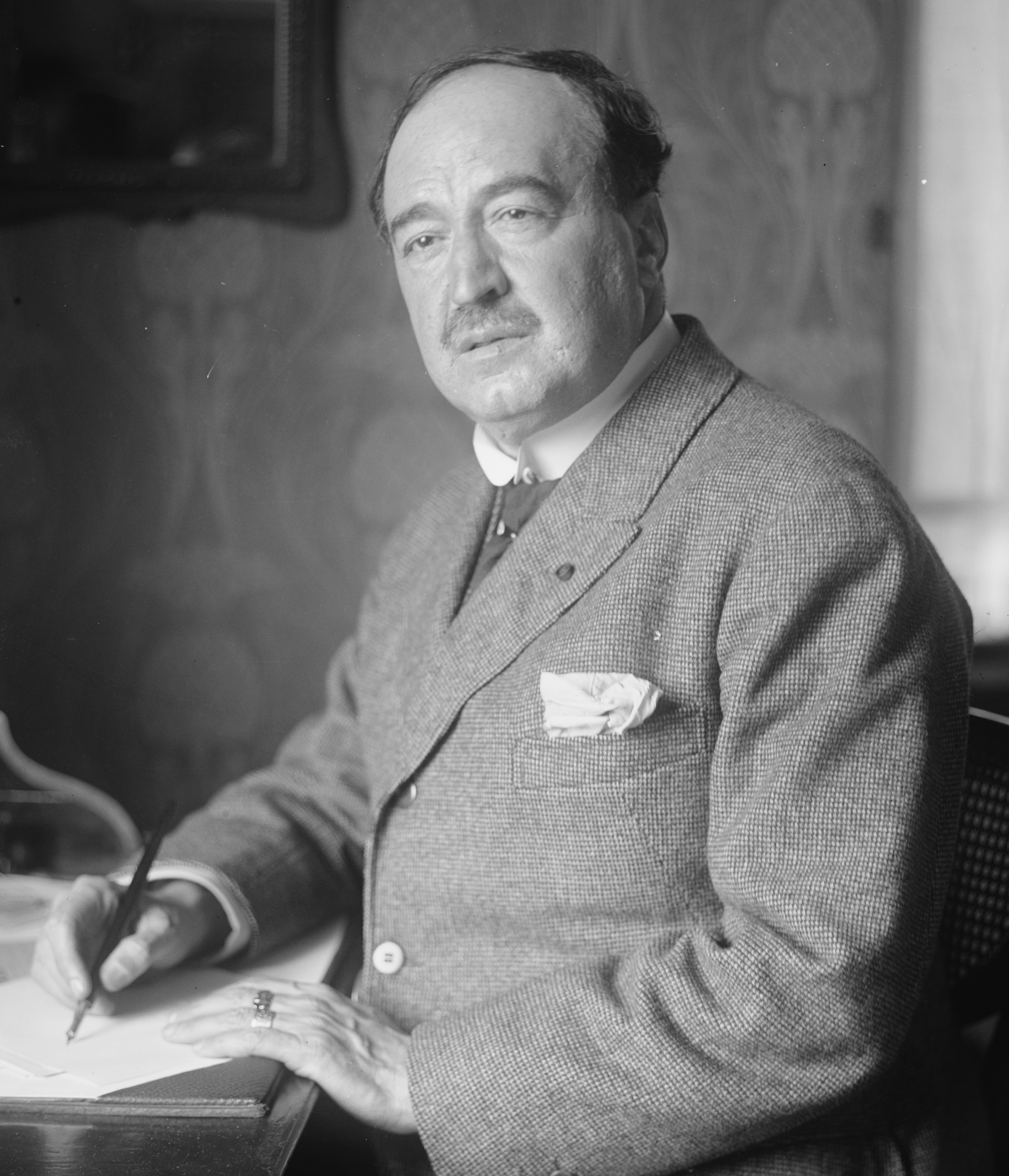
Oskar Bie was a prominent German art historian and author, known for his contributions to the understanding of art and culture in the late 19th and early 20th centuries. Born into a Jewish family, Bie developed a keen interest in the visual arts, which led him to explore various artistic movements and their societal impacts. His scholarly work often focused on the intersection of art and history, providing insights that were both critical and reflective of the cultural zeitgeist of his time. Among his notable works, Bie's writings examined the evolution of artistic expression and the role of the artist in society. He was particularly recognized for his ability to articulate complex ideas in a manner that was accessible to a broader audience, making significant contributions to art criticism and historiography. His legacy lies in his efforts to bridge the gap between academic art history and public appreciation, influencing future generations of art historians and enthusiasts alike. Bie's work remains a testament to the rich dialogue between art and culture, underscoring the importance of understanding artistic movements within their historical contexts.
Books from the author




Link to this page
Add a free, dofollow link to Lex on your blog, forum, syllabus, or reading list.

<a href="https://lex-books.com/author/oskar-bie"><img src="https://lex-books.com/badges/read-on-lex.svg" alt="Oskar Bie on Lex" width="160" height="40"></a>[](https://lex-books.com/author/oskar-bie)[url=https://lex-books.com/author/oskar-bie][img]https://lex-books.com/badges/read-on-lex.svg[/img][/url]Oskar Bie on Lex: https://lex-books.com/author/oskar-bie