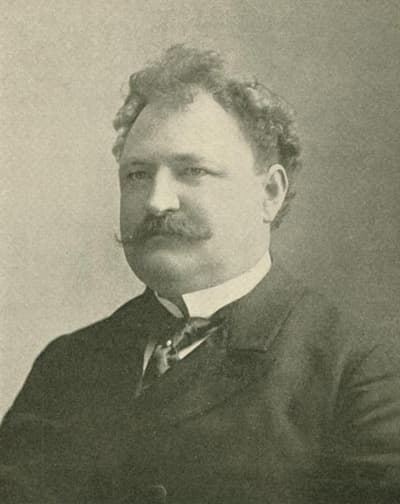
Henry Edward Krehbiel
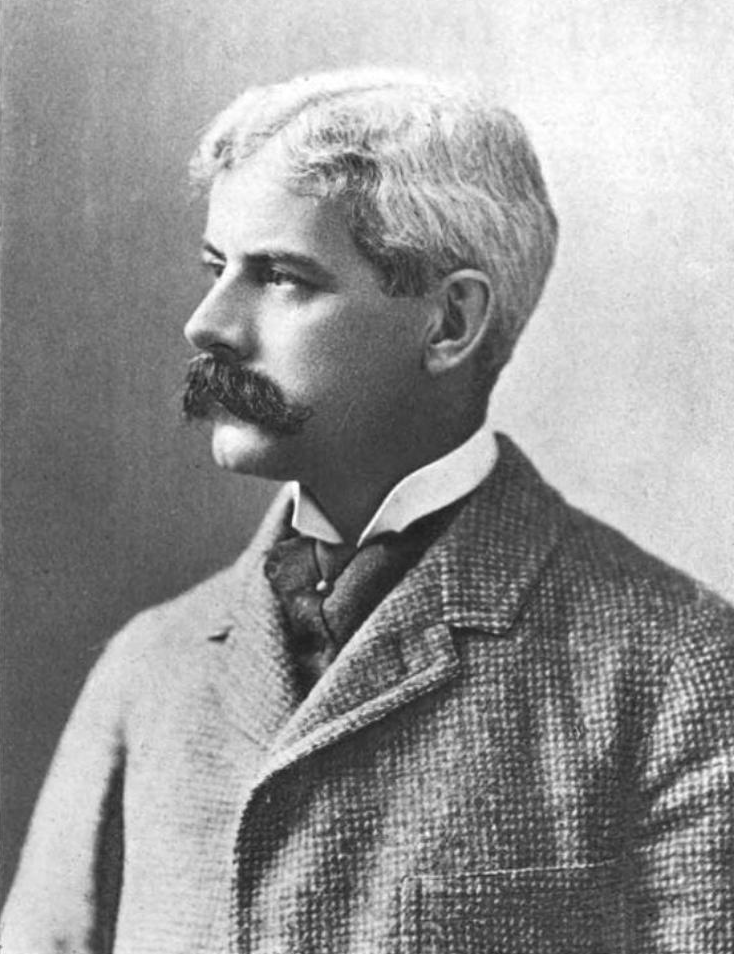
Henry Edward Krehbiel was an influential American music critic and musicologist, best known for his role as the chief music critic of The New York Tribune for over forty years. A prominent figure among the 'Old Guard' of New York music criticism, Krehbiel established a distinctly American approach to music evaluation, characterized by his empirical methods and a commitment to firsthand experience. He believed that criticism should not only guide public taste but also educate listeners, a philosophy that he articulated in his widely used instructional guide, How to Listen to Music, which remained in print from 1896 to 1924. Krehbiel had a particular affinity for German romantic composers, championing the works of Beethoven, Brahms, Mendelssohn, Schumann, and Wagner, while remaining critical of their successors, such as Richard Strauss and Gustav Mahler. In addition to his critical work, Krehbiel was a passionate advocate for folk music, inspired by the compositions of Antonín Dvořák. He dedicated years to researching and collecting folk songs from diverse American communities, including African Americans, Native Americans, and various immigrant groups. His efforts culminated in several publications, notably Afro-American Folksongs: A Study in Racial and National Music (1914), which was the first music history book focused on African-American spirituals. Krehbiel also contributed to the music community by annotating concert programs for the New York Philharmonic and translating significant works, including a complete English version of Alexander Wheelock Thayer's biography of Beethoven, which he supplemented with a fourth volume before his death. His legacy as a music critic and scholar continues to influence the field of musicology today.
Books from the author









Link to this page
Add a free, dofollow link to Lex on your blog, forum, syllabus, or reading list.

<a href="https://lex-books.com/author/henry-edward-krehbiel"><img src="https://lex-books.com/badges/read-on-lex.svg" alt="Henry Edward Krehbiel on Lex" width="160" height="40"></a>[](https://lex-books.com/author/henry-edward-krehbiel)[url=https://lex-books.com/author/henry-edward-krehbiel][img]https://lex-books.com/badges/read-on-lex.svg[/img][/url]Henry Edward Krehbiel on Lex: https://lex-books.com/author/henry-edward-krehbiel