of Naucratis Athenaeus
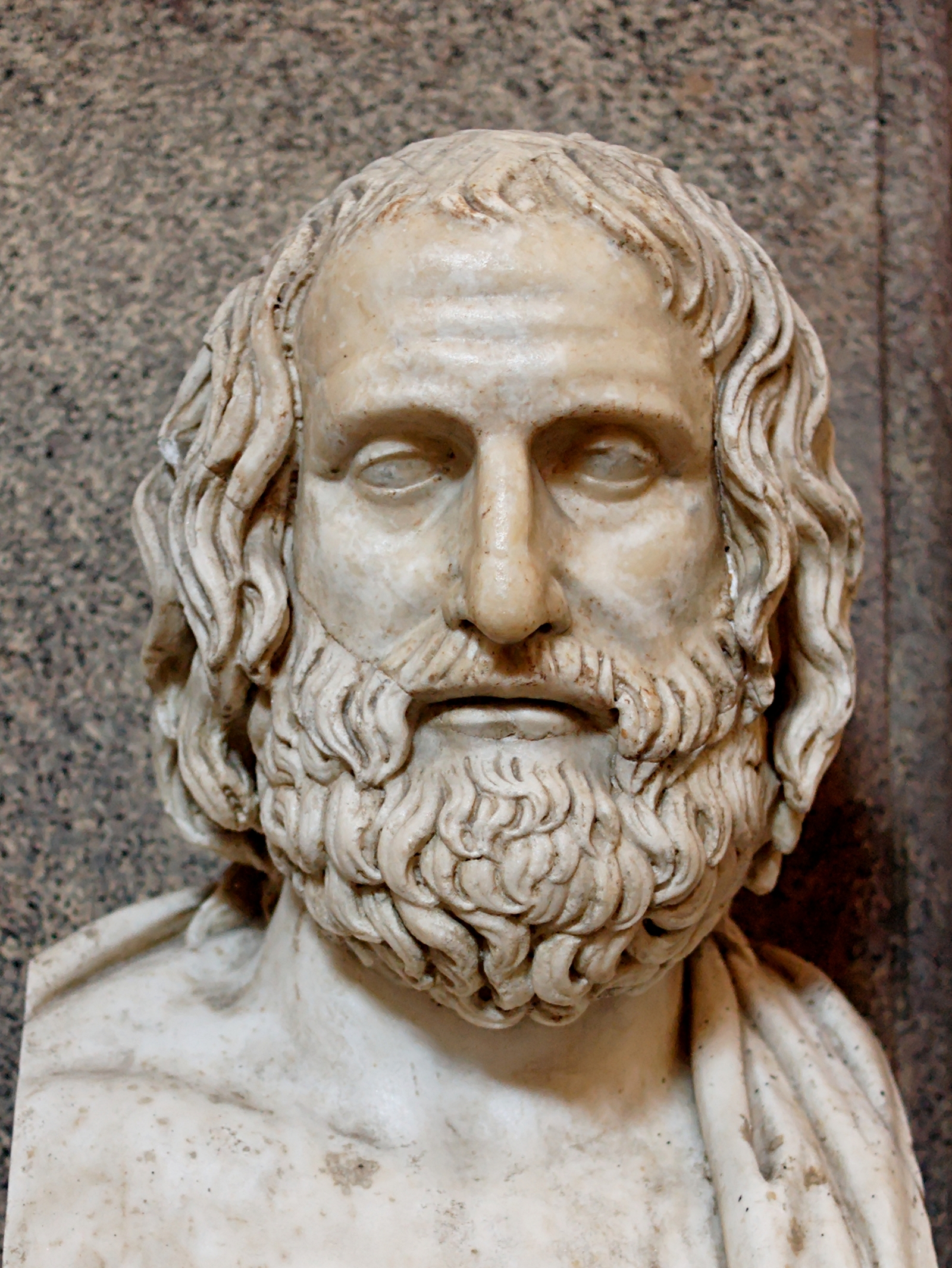
Athenaeus of Naucratis was a Greek rhetorician and grammarian, best known for his monumental work, 'The Deipnosophists' (or 'Banquet of the Learned'). This extensive text, composed in the early third century AD, is a unique blend of literature, philosophy, and culinary arts, presented as a series of dialogues set during a banquet. In this work, Athenaeus showcases his vast knowledge of Greek literature and culture, drawing on a wealth of sources to explore topics ranging from food and drink to social customs and literary criticism. The text is notable for its preservation of fragments from many lost works of ancient authors, making it an invaluable resource for historians and scholars of classical literature. Athenaeus's writing style is characterized by its wit and erudition, as he weaves together anecdotes and quotations from a diverse array of writers, including Homer, Plato, and later Hellenistic authors. His work reflects the intellectual milieu of his time, emphasizing the importance of conversation and debate in the pursuit of knowledge. 'The Deipnosophists' is not only a culinary treatise but also a rich tapestry of cultural commentary that offers insights into the social dynamics of the Roman Empire. Through this work, Athenaeus has left an enduring legacy, influencing both literary and gastronomic discussions in subsequent centuries.
Books from the author











Link to this page
Add a free, dofollow link to Lex on your blog, forum, syllabus, or reading list.

<a href="https://lex-books.com/author/of-naucratis-athenaeus"><img src="https://lex-books.com/badges/read-on-lex.svg" alt="of Naucratis Athenaeus on Lex" width="160" height="40"></a>[](https://lex-books.com/author/of-naucratis-athenaeus)[url=https://lex-books.com/author/of-naucratis-athenaeus][img]https://lex-books.com/badges/read-on-lex.svg[/img][/url]of Naucratis Athenaeus on Lex: https://lex-books.com/author/of-naucratis-athenaeus