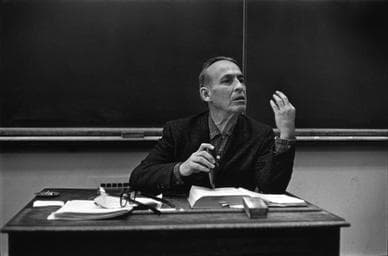
Norman Maclean
Norman Fitzroy Maclean was an American author and professor whose literary contributions emerged prominently after his retirement from academia. He is best known for his novella collection, 'A River Runs Through It and Other Stories,' published in 1976, which reflects on themes of family, nature, and the complexities of life through the lens of fly fishing in Montana. This work is often celebrated for its lyrical prose and deep emotional resonance, drawing comparisons to the style of Ernest Hemingway. In addition to his fiction, Maclean's 'Young Men and Fire,' released in 1992, is a notable piece of creative nonfiction that recounts the tragic Mann Gulch fire of 1949, blending personal narrative with historical analysis. His writing is characterized by a profound connection to the American landscape and a contemplative exploration of human experience. Maclean's legacy endures as a significant figure in American literature, influencing writers with his unique blend of storytelling and reflection on the natural world.
Famous Quotes
View all 3 quotes“Eventually, all things merge into one, and a river runs through it. The river was cut by the world's great flood and runs over rocks from the basement of time. On some of the rocks are timeless raindrops. Under the rocks are the words, and some of the words are theirs. I am haunted by waters.”
“Each one of us here today will at one time in our lives look upon a loved one who is in need and ask the same question: We are willing to help, Lord, but what, if anything, is needed? For it is true we can seldom help those closest to us. Either we don't know what part of ourselves to give or, more often than not, the part we have to give is not wanted. And so it is those we live with and should know who elude us. But we can still love them - we can love completely without complete understanding.”
“We can love completely what we cannot completely understand.”
Books from the author


Link to this page
Add a free, dofollow link to Lex on your blog, forum, syllabus, or reading list.

<a href="https://lex-books.com/author/norman-maclean"><img src="https://lex-books.com/badges/read-on-lex.svg" alt="Norman Maclean on Lex" width="160" height="40"></a>[](https://lex-books.com/author/norman-maclean)[url=https://lex-books.com/author/norman-maclean][img]https://lex-books.com/badges/read-on-lex.svg[/img][/url]Norman Maclean on Lex: https://lex-books.com/author/norman-maclean