
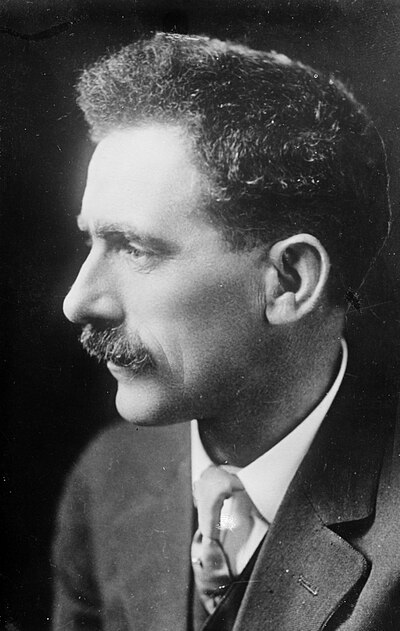
Norman Angell
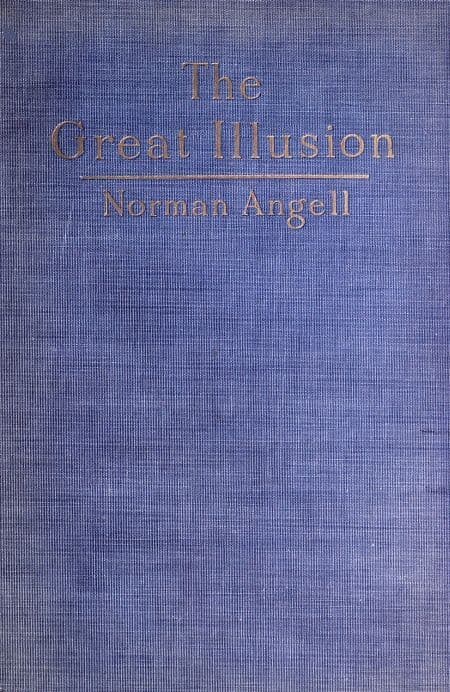
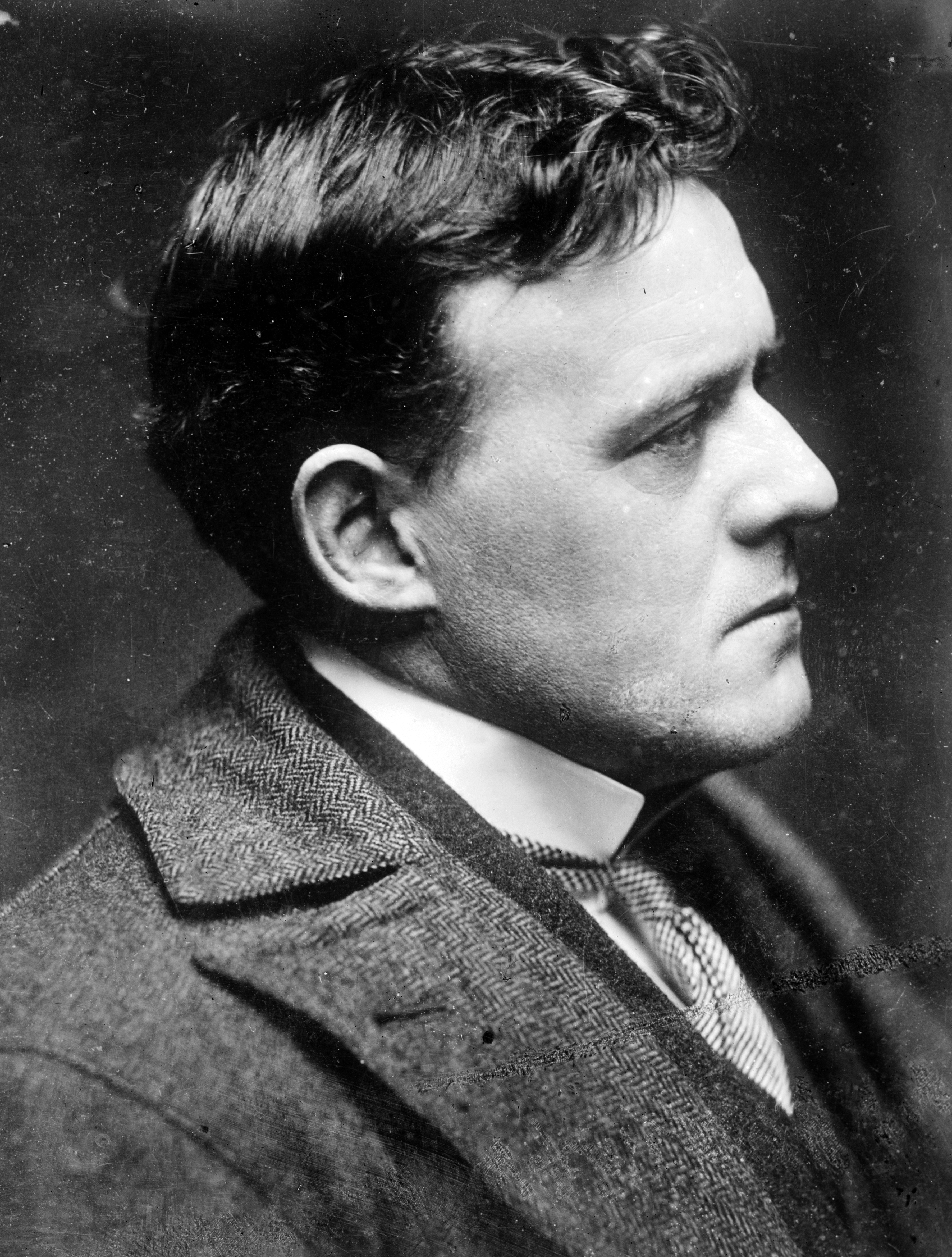
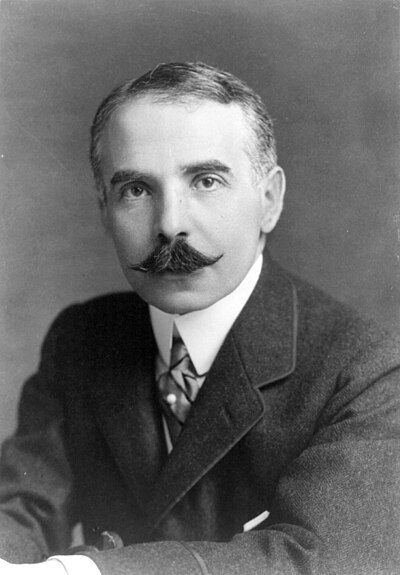
Sir Ralph Norman Angell was a prominent British lecturer, journalist, and politician known for his influential advocacy for peace and international cooperation. He gained significant recognition for his 1910 work, The Great Illusion, in which he argued that the economic interdependence of European nations rendered war not only irrational but also self-defeating. This thesis positioned him as a leading voice against militarism, suggesting that the interconnectedness of economies made conflict between nations increasingly obsolete. Despite his foresight, Angell faced considerable criticism and misunderstanding, particularly following the outbreak of World War I, as many misinterpreted his arguments as a denial of the possibility of war altogether. Throughout his career, Angell was deeply involved in various organizations aimed at promoting peace and democratic governance. He was a founding member of the Union of Democratic Control and served on the Council of the Royal Institute of International Affairs. His commitment to these causes earned him a Nobel Peace Prize in 1933, recognizing his efforts to foster international understanding and cooperation. Angell's legacy lies in his pioneering views on the economic dimensions of peace, which continue to influence discussions on international relations and conflict resolution today.
Famous Quotes
View all 3 quotes“War has no longer the justification that it makes for the survival of the fittest; it involves the survival of the less fit. The idea that the struggle between nations is a part of the evolutionary law of man's advance involves a profound misreading of the biological analogy. The warlike nations do not inherit the earth; they represent the decaying human element.”
“War has no longer the justification that it makes for the survival of the fittest; it involves the survival of the less fit. The idea that the struggle between nations is a part of the evolutionary law of man's advance involves a profound misreading of the biological analogy. The warlike nations do not inherit the earth; they represent the decaying human element....”
“The idea that the struggle between nations is a part of the evolutionary law of man's advance involves a profound misreading of the biological analogy. The warlike nations do not inherit the earth; they represent the decaying human element.”
Books from the author



Link to this page
Add a free, dofollow link to Lex on your blog, forum, syllabus, or reading list.

<a href="https://lex-books.com/author/norman-angell"><img src="https://lex-books.com/badges/read-on-lex.svg" alt="Norman Angell on Lex" width="160" height="40"></a>[](https://lex-books.com/author/norman-angell)[url=https://lex-books.com/author/norman-angell][img]https://lex-books.com/badges/read-on-lex.svg[/img][/url]Norman Angell on Lex: https://lex-books.com/author/norman-angell