The Fruits of Victory: A Sequel to the Great Illusion

The Fruits of Victory: A Sequel to the Great Illusion
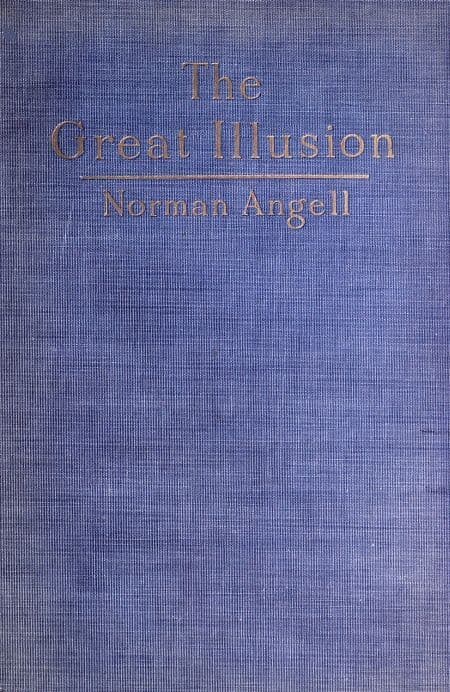
In the blood-soaked aftermath of the Great War, Norman Angell posed a question that haunts international relations to this day: why do nations insist on smashing each other to pieces when the economic logic of the modern world demands cooperation? Angell, who would win the Nobel Peace Prize in 1931, expands his famous thesis from The Great Illusion into a sweeping critique of nationalist militarism. Britain, he argues, cannot feed itself; German industrial capacity cannot be crushed into submission; the old empires are rotting from within. The war proved that military victory yields no economic fruits, only famine, debt, and political disintegration. What emerges is a passionate case for international cooperation built not on idealistic sentiment but hard-nosed economic reality: in a world of interdependent supply chains and global markets, coercive power is not just immoral but profoundly stupid. Written between the world wars when the next catastrophe was already gathering, this book stands as a bracing, infuriating, and strangely prescient manifesto for anyone who wonders why nations keep choosing ruin.
Editions

Link to this book
Add a free, dofollow link to Lex on your blog, forum, syllabus, or reading list.

<a href="https://lex-books.com/book/the-fruits-of-victory-a-sequel-to-the-great-illusion-43550182-0166-4646-abda-48545341e5fb"><img src="https://lex-books.com/badges/read-on-lex.svg" alt="Read The Fruits of Victory: A Sequel to the Great Illusion by Norman Angell free on Lex" width="160" height="40"></a>[](https://lex-books.com/book/the-fruits-of-victory-a-sequel-to-the-great-illusion-43550182-0166-4646-abda-48545341e5fb)[url=https://lex-books.com/book/the-fruits-of-victory-a-sequel-to-the-great-illusion-43550182-0166-4646-abda-48545341e5fb][img]https://lex-books.com/badges/read-on-lex.svg[/img][/url]Read The Fruits of Victory: A Sequel to the Great Illusion by Norman Angell free on Lex: https://lex-books.com/book/the-fruits-of-victory-a-sequel-to-the-great-illusion-43550182-0166-4646-abda-48545341e5fbCite this book
Reading this edition for a paper or guide? Copy a citation.
Angell, Norman. The Fruits of Victory: A Sequel to the Great Illusion. Lex, lex-books.com/book/the-fruits-of-victory-a-sequel-to-the-great-illusion-43550182-0166-4646-abda-48545341e5fb.Angell, N. (n.d.). The Fruits of Victory: A Sequel to the Great Illusion. Lex. https://lex-books.com/book/the-fruits-of-victory-a-sequel-to-the-great-illusion-43550182-0166-4646-abda-48545341e5fbAngell, Norman. The Fruits of Victory: A Sequel to the Great Illusion. Lex. https://lex-books.com/book/the-fruits-of-victory-a-sequel-to-the-great-illusion-43550182-0166-4646-abda-48545341e5fb.