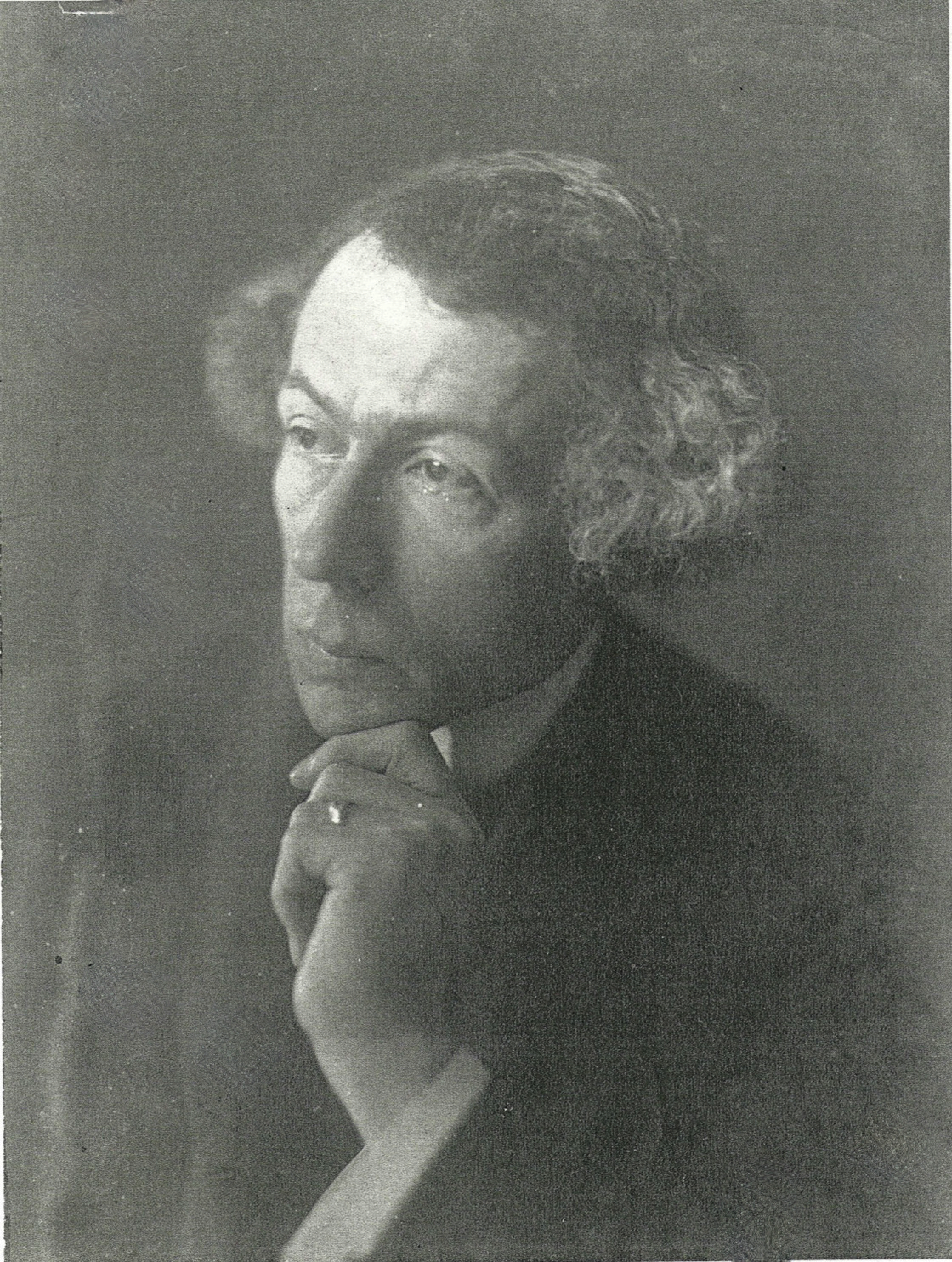
Mynona
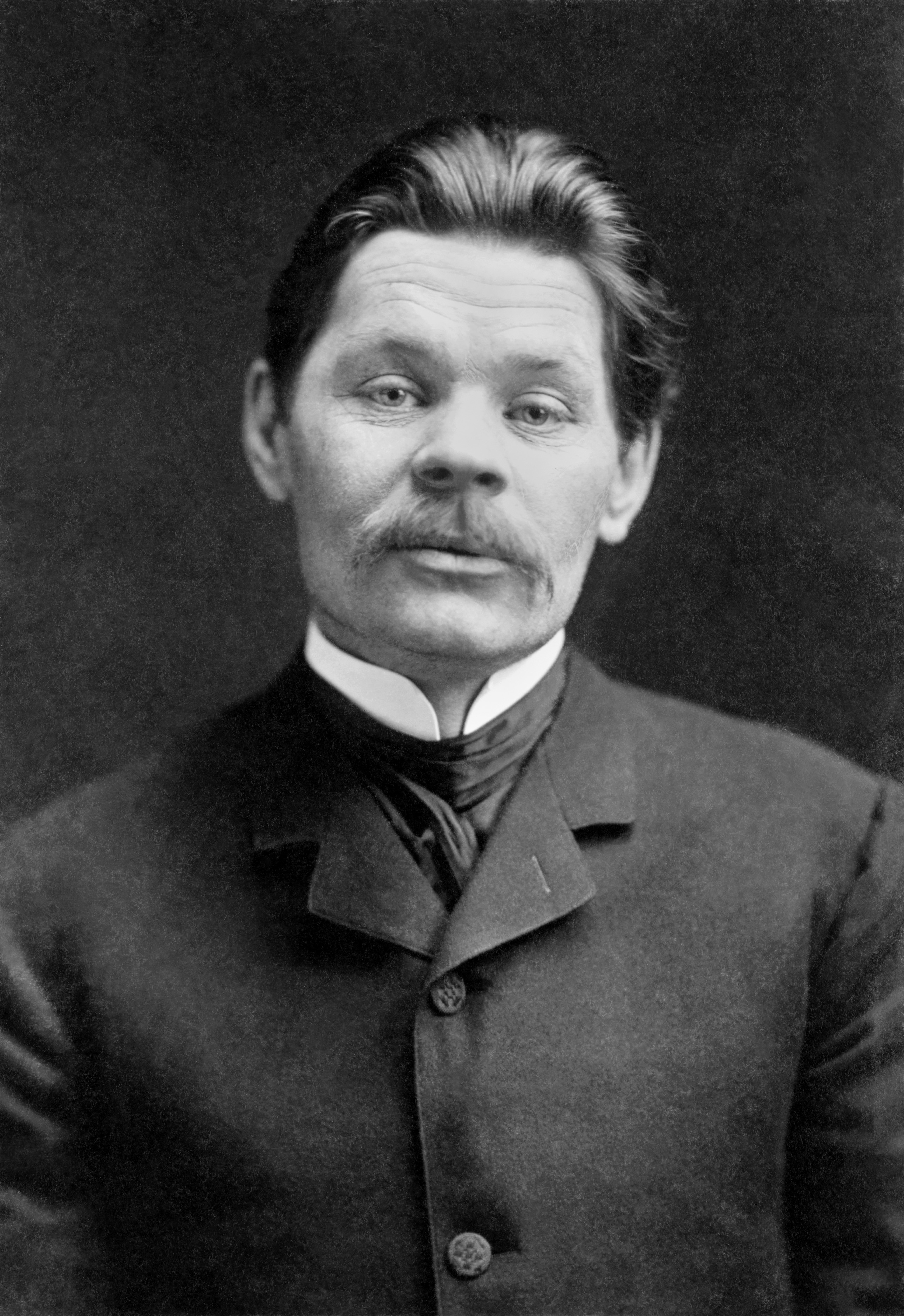
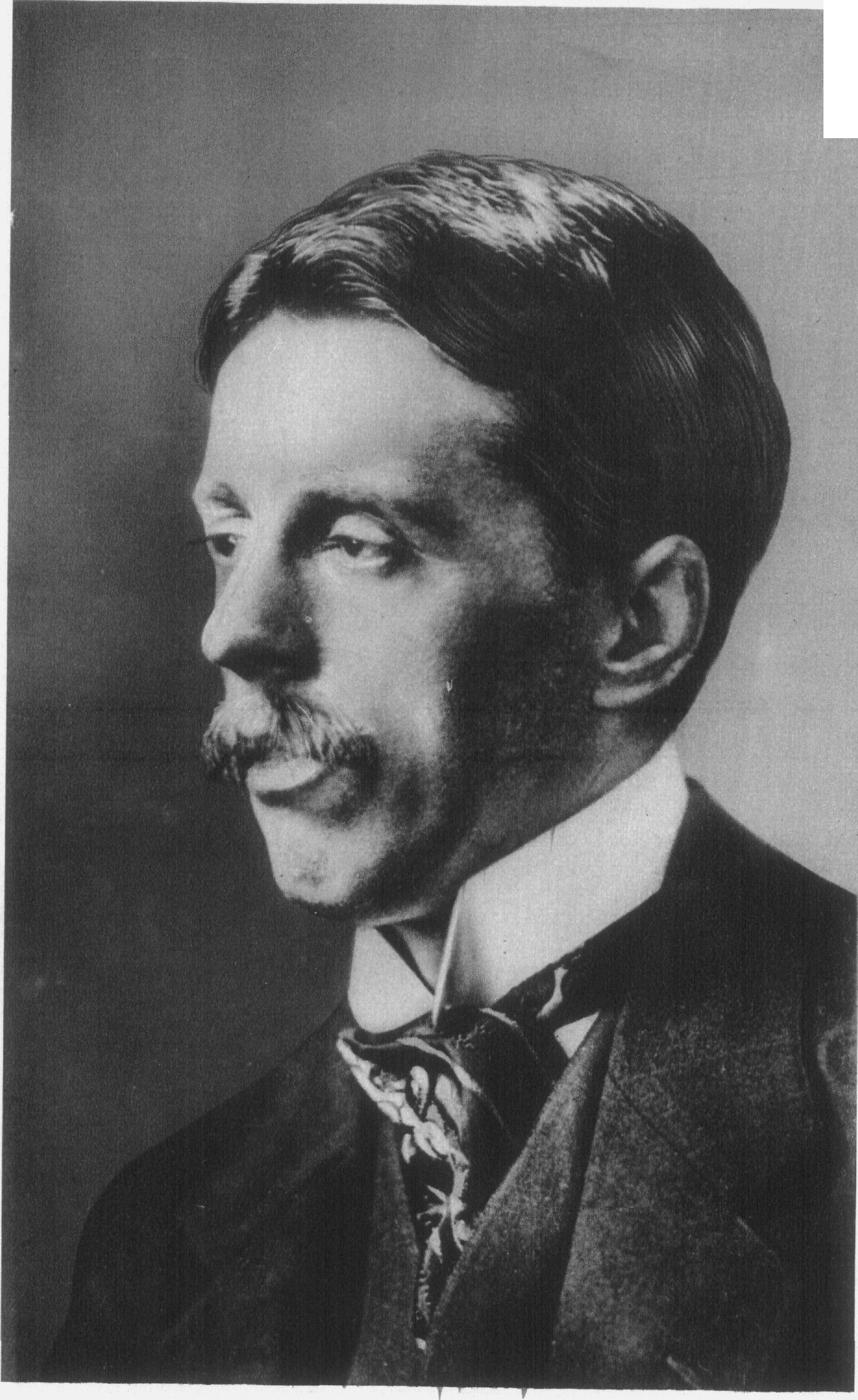
Mynona, born as the German writer and philosopher Hermann Cohen, was a notable figure in the early 20th century literary scene, particularly known for his contributions to expressionist literature. He adopted the pen name Mynona, which translates to 'my own,' and became recognized for his unique blend of philosophical inquiry and literary creativity. His works often explored themes of individuality, existentialism, and the human condition, reflecting the tumultuous socio-political landscape of his time. Among his most significant works are "The Book of the Dead" and "The Last Days of Mankind," which showcase his innovative narrative style and deep philosophical undertones. Mynona's writings were characterized by a keen sense of irony and a critical perspective on society, making him a precursor to later existentialist thinkers. His influence extended beyond literature into the realms of philosophy and social critique, as he challenged conventional norms and encouraged readers to confront the complexities of existence. Although not as widely known today, Mynona's contributions to literature and thought remain significant, marking him as a distinctive voice in the expressionist movement and a forerunner to modern existentialism.
Famous Quotes
View all 1 quotes“The most glorious ideas so often fail on the random cliff of tragic farce.”
Books from the author




Link to this page
Add a free, dofollow link to Lex on your blog, forum, syllabus, or reading list.

<a href="https://lex-books.com/author/mynona"><img src="https://lex-books.com/badges/read-on-lex.svg" alt="Mynona on Lex" width="160" height="40"></a>[](https://lex-books.com/author/mynona)[url=https://lex-books.com/author/mynona][img]https://lex-books.com/badges/read-on-lex.svg[/img][/url]Mynona on Lex: https://lex-books.com/author/mynona