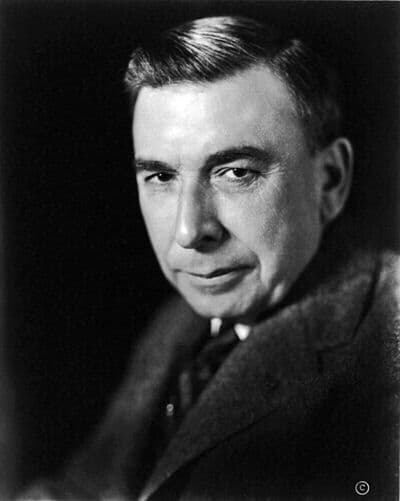
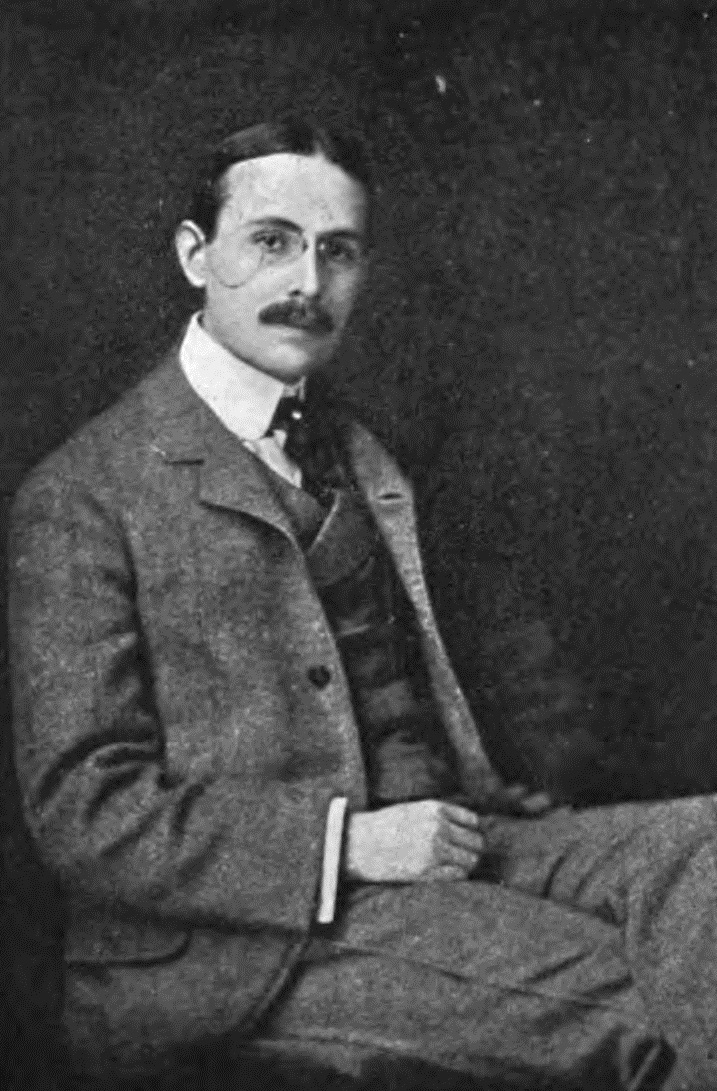
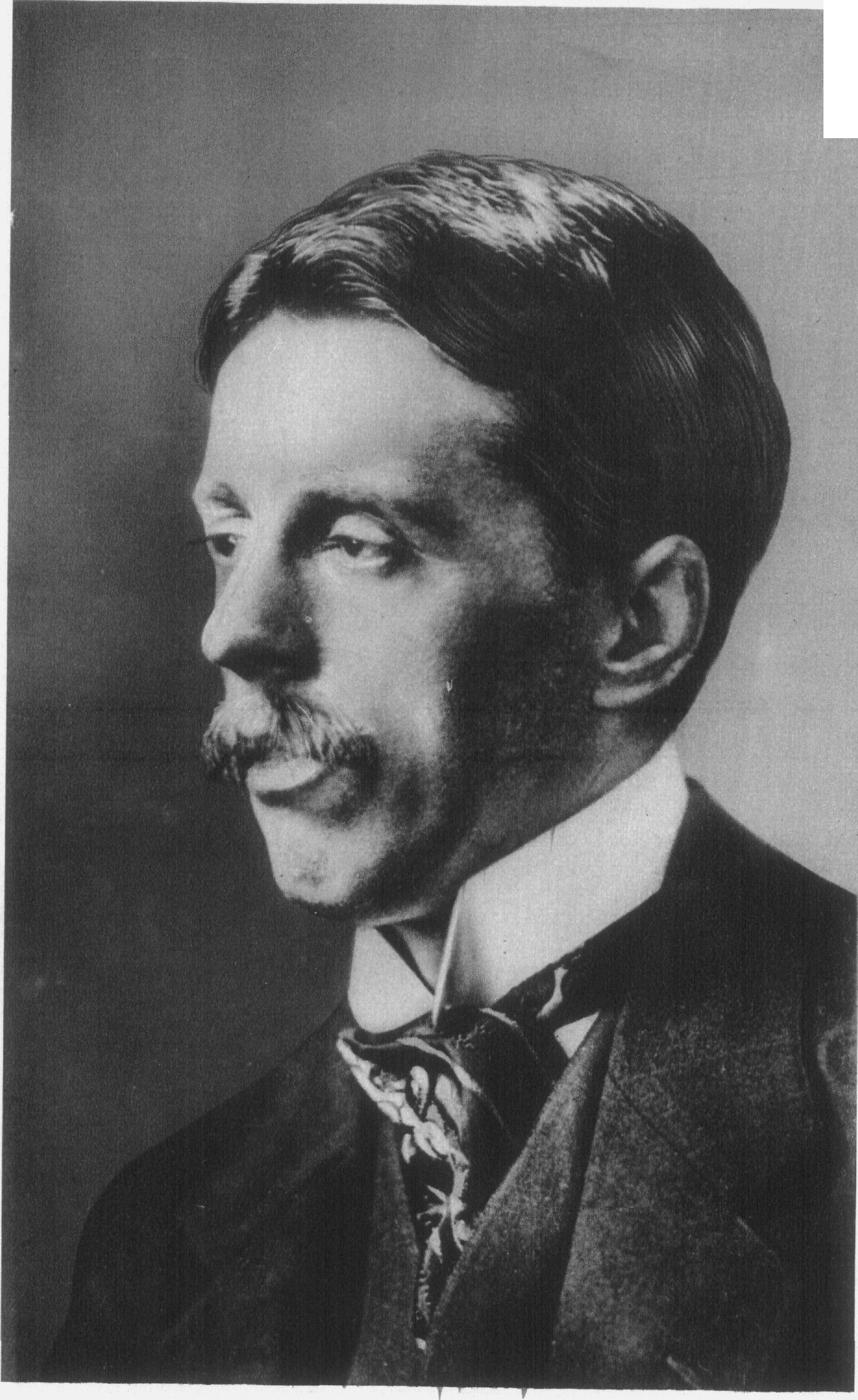
Booth Tarkington
Newton Booth Tarkington was an influential American novelist and dramatist, celebrated for his keen observations of American life and society in the early 20th century. His most notable works, including *The Magnificent Ambersons* (1918) and *Alice Adams* (1921), showcased his ability to blend humor with poignant social commentary. Tarkington's narratives often reflected the changing landscape of American culture, particularly in the Midwest, where he spent much of his life. He was a prominent figure in the literary scene of Indiana, contributing to what is known as the Golden Age of Indiana literature alongside contemporaries like Meredith Nicholson and George Ade. Tarkington's literary prowess earned him the distinction of being one of only four authors to win the Pulitzer Prize for Fiction on multiple occasions, solidifying his status as one of the foremost American writers of his time. His works were not only critically acclaimed but also adapted into successful films, further extending his influence. Despite facing personal challenges, including a significant loss of vision later in life, Tarkington continued to write until his passing in Kennebunkport, Maine. His legacy endures through his insightful explorations of social themes and the complexities of human relationships, marking him as a significant figure in American literature.
Famous Quotes
View all 3 quotes“Gossip is never fatal until it is denied.”
“Gossip is never fatal until it is denied. Gossip goes on about every human being alive and about all the dead that are alive enough to be remembered, and yet almost never does any harm until some defender makes a controversy. Gossip's a nasty thing, but it's sickly, and if people of good intentions will let it entirely alone, it will die, ninety-nine times out of a hundred.”
“Whatever does not pretend at all has style enough.”
Books from the author

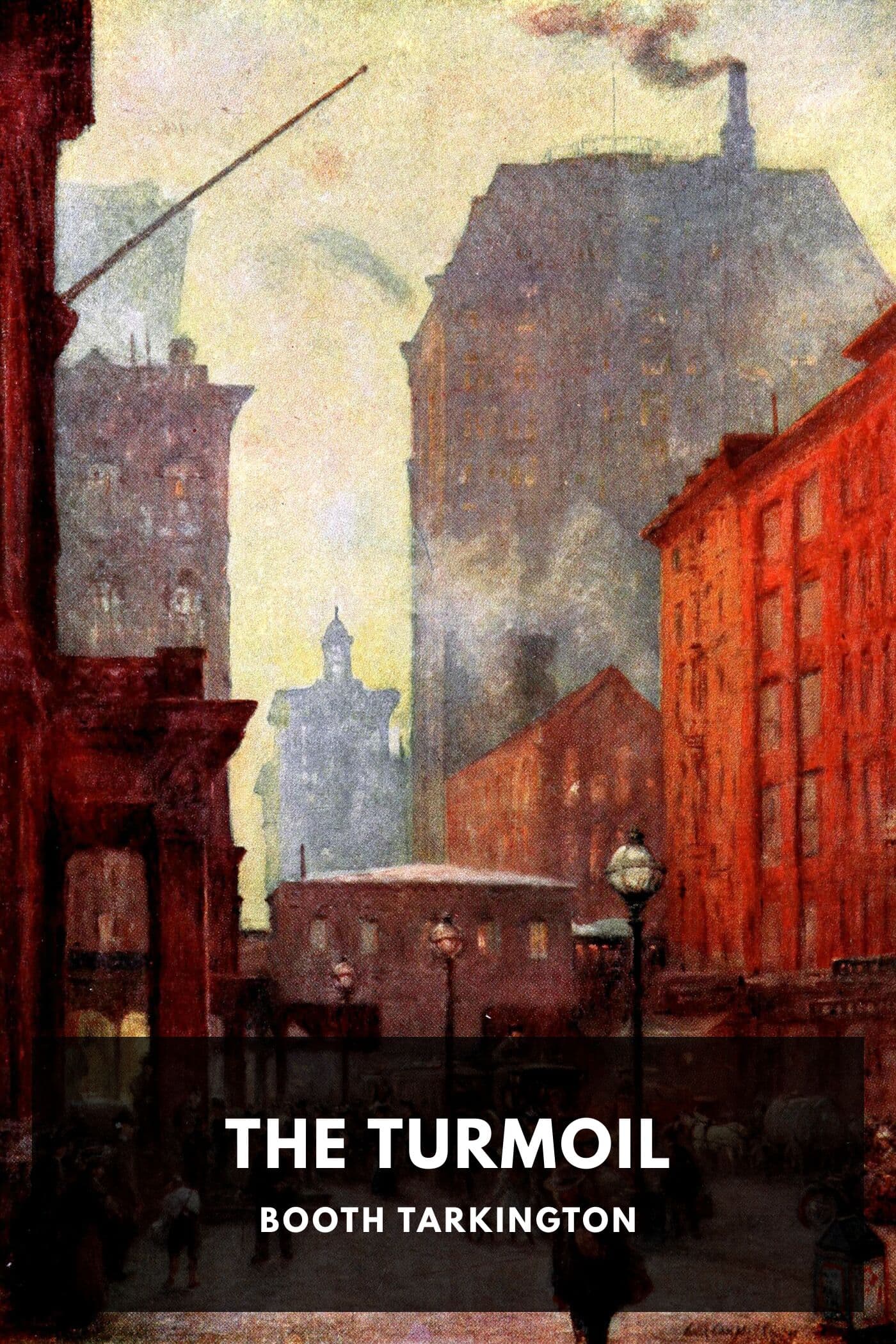
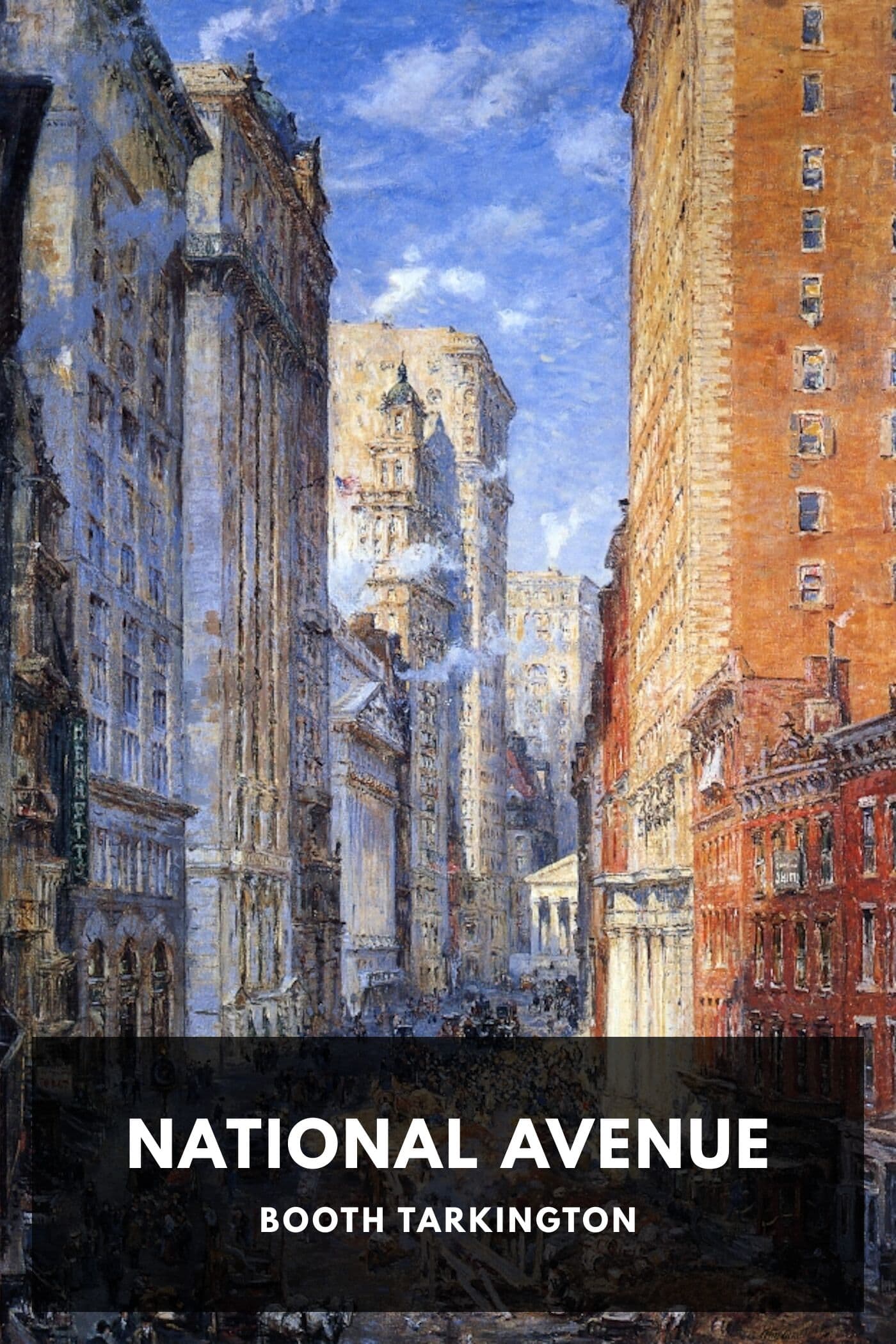
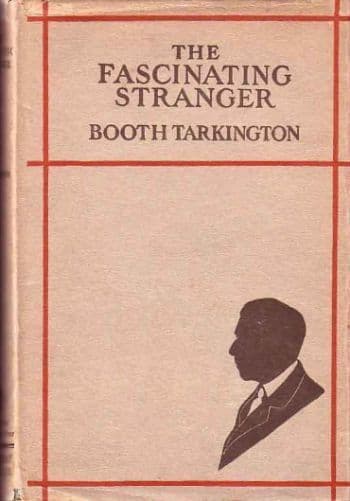





Link to this page
Add a free, dofollow link to Lex on your blog, forum, syllabus, or reading list.

<a href="https://lex-books.com/author/booth-tarkington"><img src="https://lex-books.com/badges/read-on-lex.svg" alt="Booth Tarkington on Lex" width="160" height="40"></a>[](https://lex-books.com/author/booth-tarkington)[url=https://lex-books.com/author/booth-tarkington][img]https://lex-books.com/badges/read-on-lex.svg[/img][/url]Booth Tarkington on Lex: https://lex-books.com/author/booth-tarkington