Muhammad ibn 'Abd al-Malik Ibn Tufayl
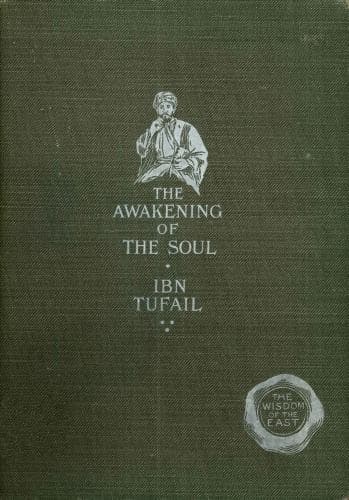
Muhammad ibn 'Abd al-Malik Ibn Tufayl was a prominent Andalusian philosopher, physician, and writer, best known for his philosophical novel 'Hayy ibn Yaqdhan.' Written in Arabic, this work is often regarded as one of the earliest examples of the philosophical novel genre and explores themes of self-discovery, knowledge, and the relationship between humanity and the divine. The narrative follows a boy raised in isolation on a deserted island, who comes to understand the world around him through observation and reason, reflecting Ibn Tufayl's belief in the power of rational thought and empirical inquiry. Ibn Tufayl's influence extended beyond his own time, as 'Hayy ibn Yaqdhan' inspired later thinkers, including the European Enlightenment philosophers. His ideas contributed to the dialogue between Islamic philosophy and Western thought, particularly in the realms of natural philosophy and metaphysics. As a key figure in the intellectual landscape of the Islamic Golden Age, Ibn Tufayl's legacy endures through his innovative blending of narrative and philosophy, which paved the way for future explorations of human consciousness and the nature of existence.
Books from the author








Link to this page
Add a free, dofollow link to Lex on your blog, forum, syllabus, or reading list.

<a href="https://lex-books.com/author/muhammad-ibn-abd-al-malik-ibn-tufayl"><img src="https://lex-books.com/badges/read-on-lex.svg" alt="Muhammad ibn 'Abd al-Malik Ibn Tufayl on Lex" width="160" height="40"></a>[](https://lex-books.com/author/muhammad-ibn-abd-al-malik-ibn-tufayl)[url=https://lex-books.com/author/muhammad-ibn-abd-al-malik-ibn-tufayl][img]https://lex-books.com/badges/read-on-lex.svg[/img][/url]Muhammad ibn 'Abd al-Malik Ibn Tufayl on Lex: https://lex-books.com/author/muhammad-ibn-abd-al-malik-ibn-tufayl