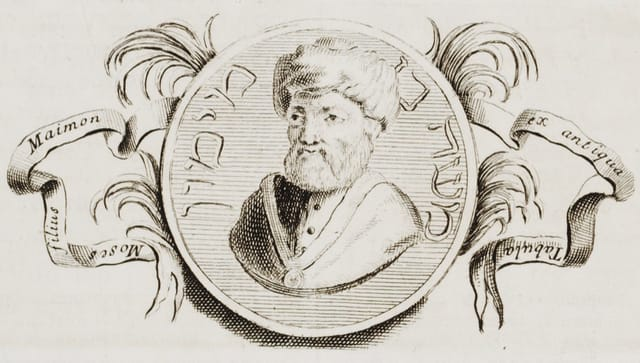
Moses Maimonides
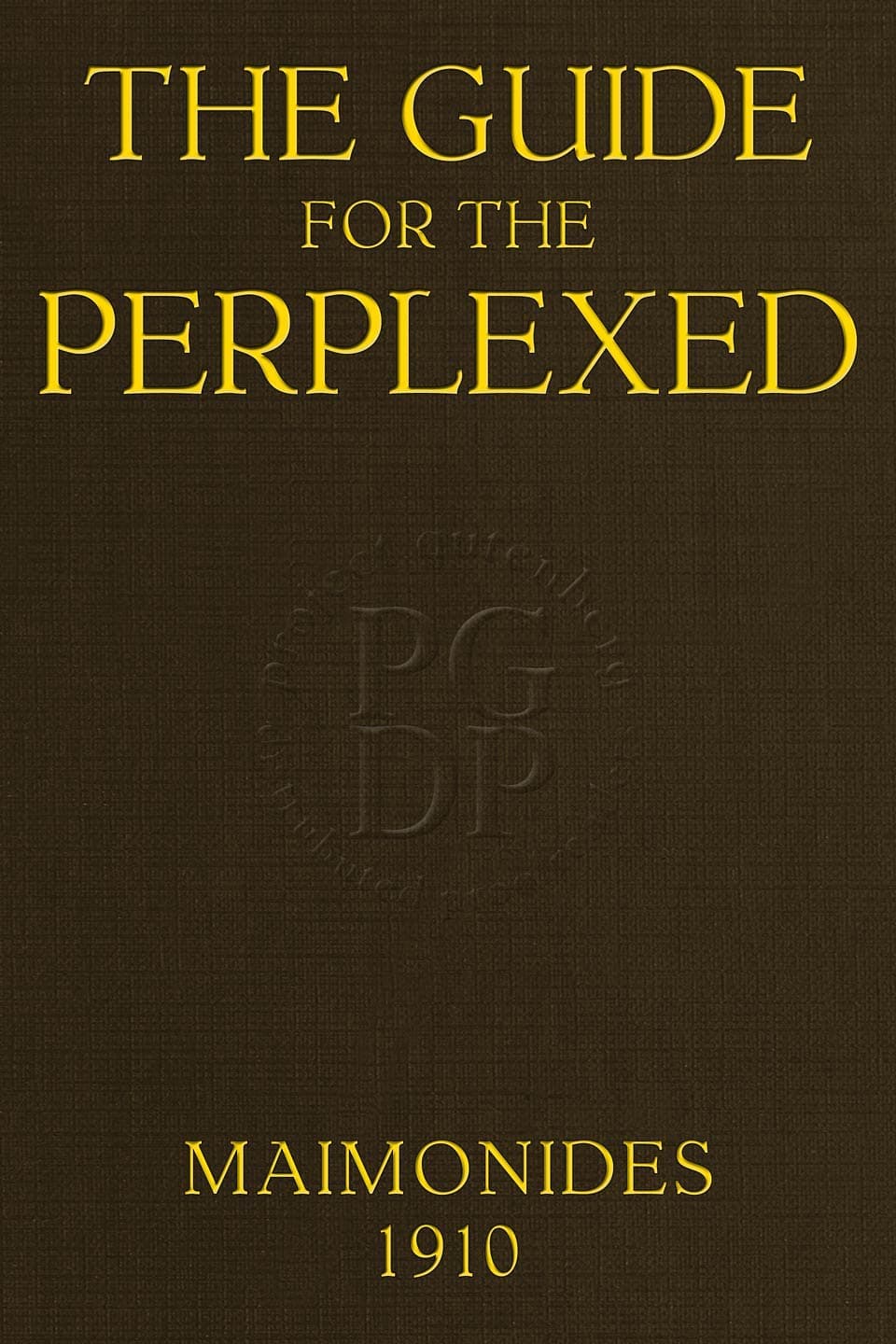
Moses Maimonides, also known as Rambam, was a seminal figure in Jewish thought and philosophy during the Middle Ages. Born in Córdoba, Spain, he faced the upheaval of forced conversion to Islam, which led his family to flee to Morocco and eventually settle in Egypt. Maimonides excelled not only as a rabbi but also as a physician and astronomer, serving as the personal doctor to the renowned leader Saladin. His diverse expertise allowed him to bridge the worlds of science and religion, making significant contributions to both fields. Maimonides is best known for his works on Jewish law and ethics, particularly the "Mishneh Torah," a comprehensive code of Jewish law that sought to systematize and clarify the complexities of Jewish legal tradition. His philosophical writings, notably "The Guide for the Perplexed," aimed to reconcile faith with reason, influencing both Jewish and Islamic thought. Despite facing criticism from some contemporaries, particularly in Spain, Maimonides' legacy endured, establishing him as one of the most revered scholars in Jewish history. His tomb in Tiberias remains a site of pilgrimage, reflecting his lasting impact on Jewish culture and scholarship.
Famous Quotes
View all 12 quotes“The physician should not treat the disease but the patient who is suffering from it””
“No disease that can be treated by diet should be treated with any other means.””
“If a person studies too much and exhausts his reflective powers, he will be confused, and will not be able to apprehend even that which had been within the power of his apprehension. For the powers of the body are all alike in this respect.””
Books from the author



Link to this page
Add a free, dofollow link to Lex on your blog, forum, syllabus, or reading list.

<a href="https://lex-books.com/author/moses-maimonides"><img src="https://lex-books.com/badges/read-on-lex.svg" alt="Moses Maimonides on Lex" width="160" height="40"></a>[](https://lex-books.com/author/moses-maimonides)[url=https://lex-books.com/author/moses-maimonides][img]https://lex-books.com/badges/read-on-lex.svg[/img][/url]Moses Maimonides on Lex: https://lex-books.com/author/moses-maimonides