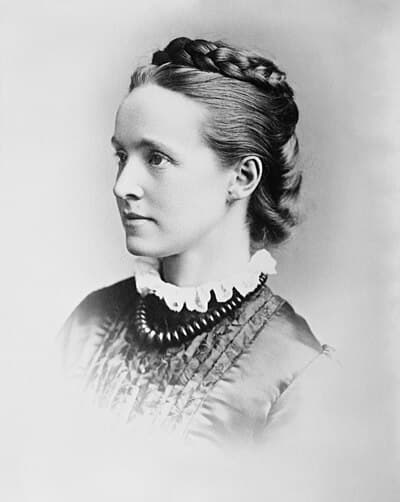
Millicent Garrett, Dame Fawcett
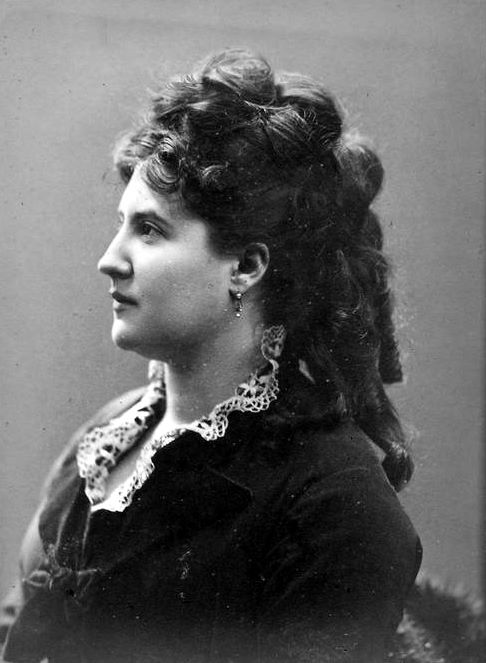
Millicent Garrett Fawcett was a prominent British suffragist and a key figure in the women's rights movement in the late 19th and early 20th centuries. Born into a politically active family, she was educated at home and quickly developed a passion for social reform. Fawcett became involved in the suffrage movement in the 1860s and was instrumental in advocating for women's right to vote. She led the National Union of Women's Suffrage Societies (NUWSS) and championed a peaceful, constitutional approach to achieving suffrage, contrasting with the more militant tactics of the Women's Social and Political Union (WSPU). Her leadership and eloquent writings, including her influential pamphlet 'Political Economy for Beginners,' helped to articulate the economic and social arguments for women's suffrage. Fawcett's contributions extended beyond suffrage; she was also a strong advocate for women's education and employment rights. Her work laid the groundwork for future generations of feminists and reformers. The passage of the Representation of the People Act in 1918, which granted voting rights to women over the age of 30, was a significant milestone that Fawcett and her contemporaries had tirelessly fought for. In recognition of her lifelong dedication to women's rights, she was made a Dame Commander of the Order of the British Empire in 1926. Millicent Garrett Fawcett's legacy endures as a symbol of the struggle for gender equality and the importance of civic engagement in effecting social change.
Famous Quotes
View all 3 quotes“However benevolent men may be in their intentions, they cannot know what women want and what suits the necessities of women's lives as well as women know these things themselves.”
“If the nineteenth century was a time of education for women, it was no less a time of education for men.”
“Now there are almost as many fallacies in this sentence as there are words.”
Books from the author

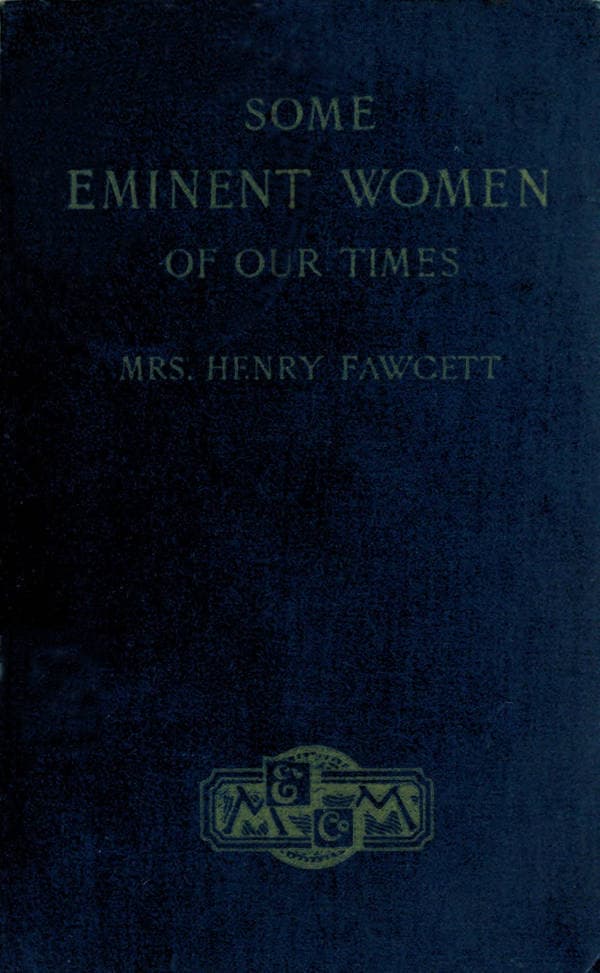
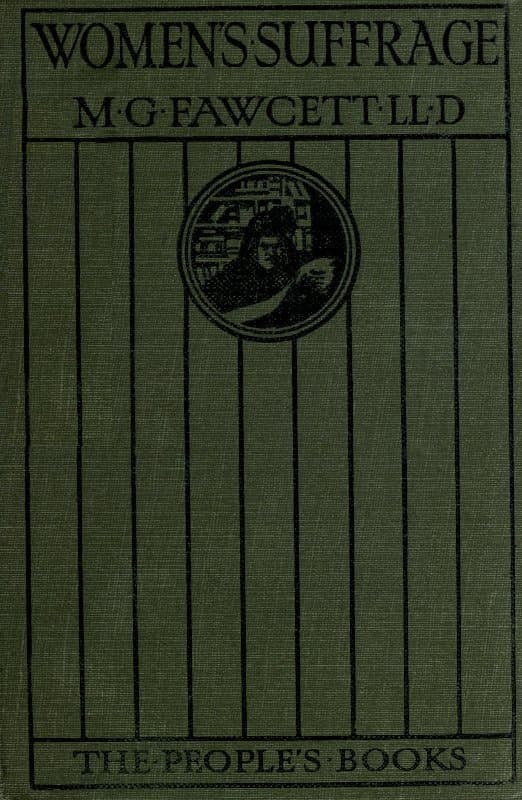
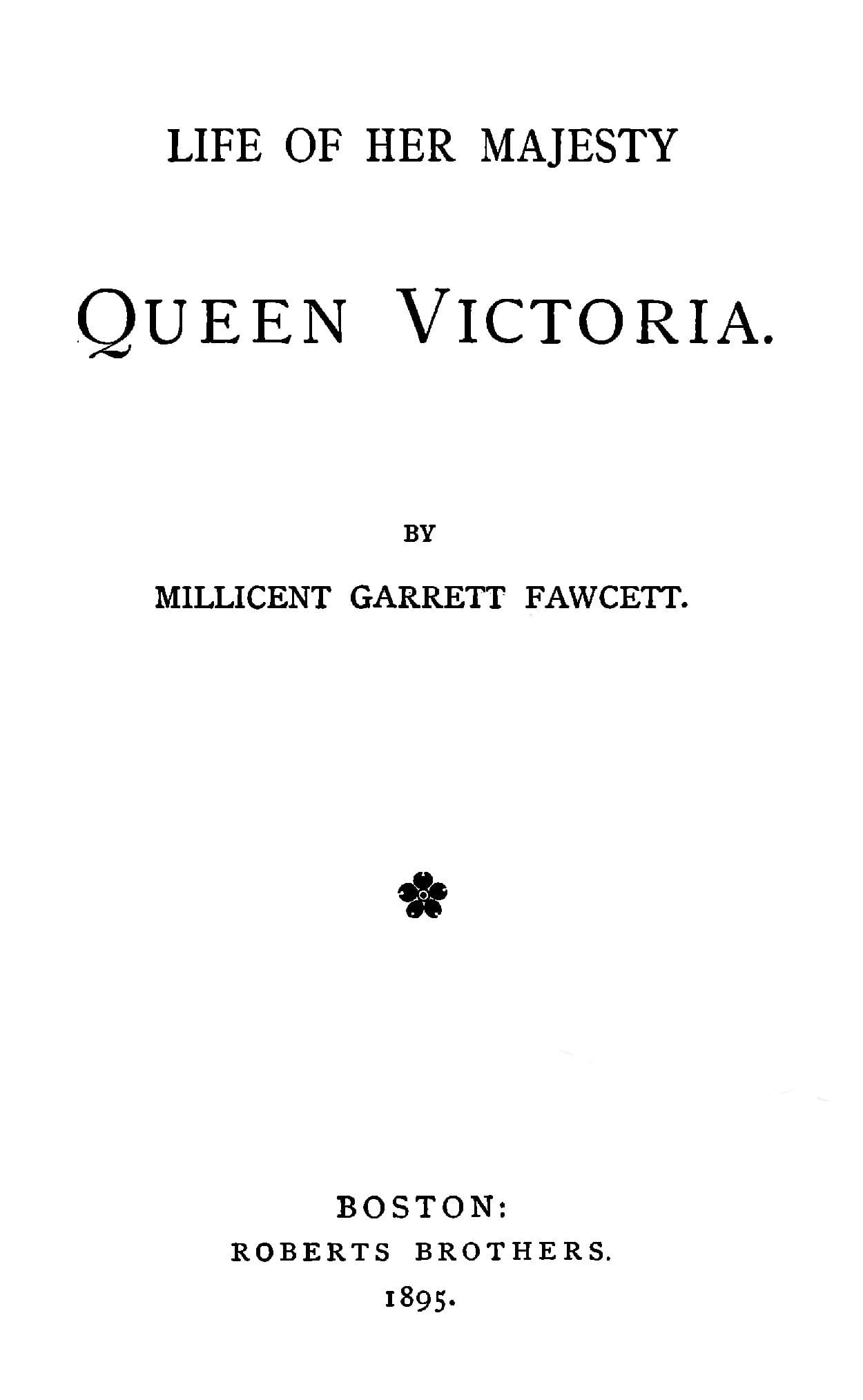
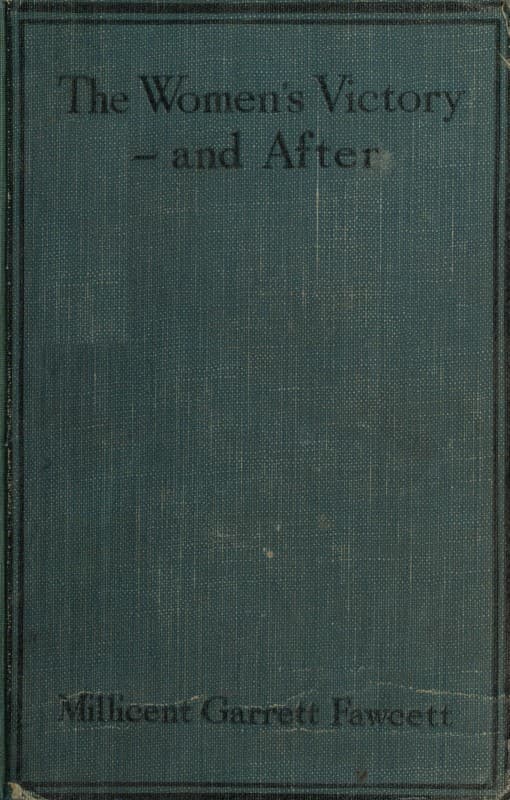

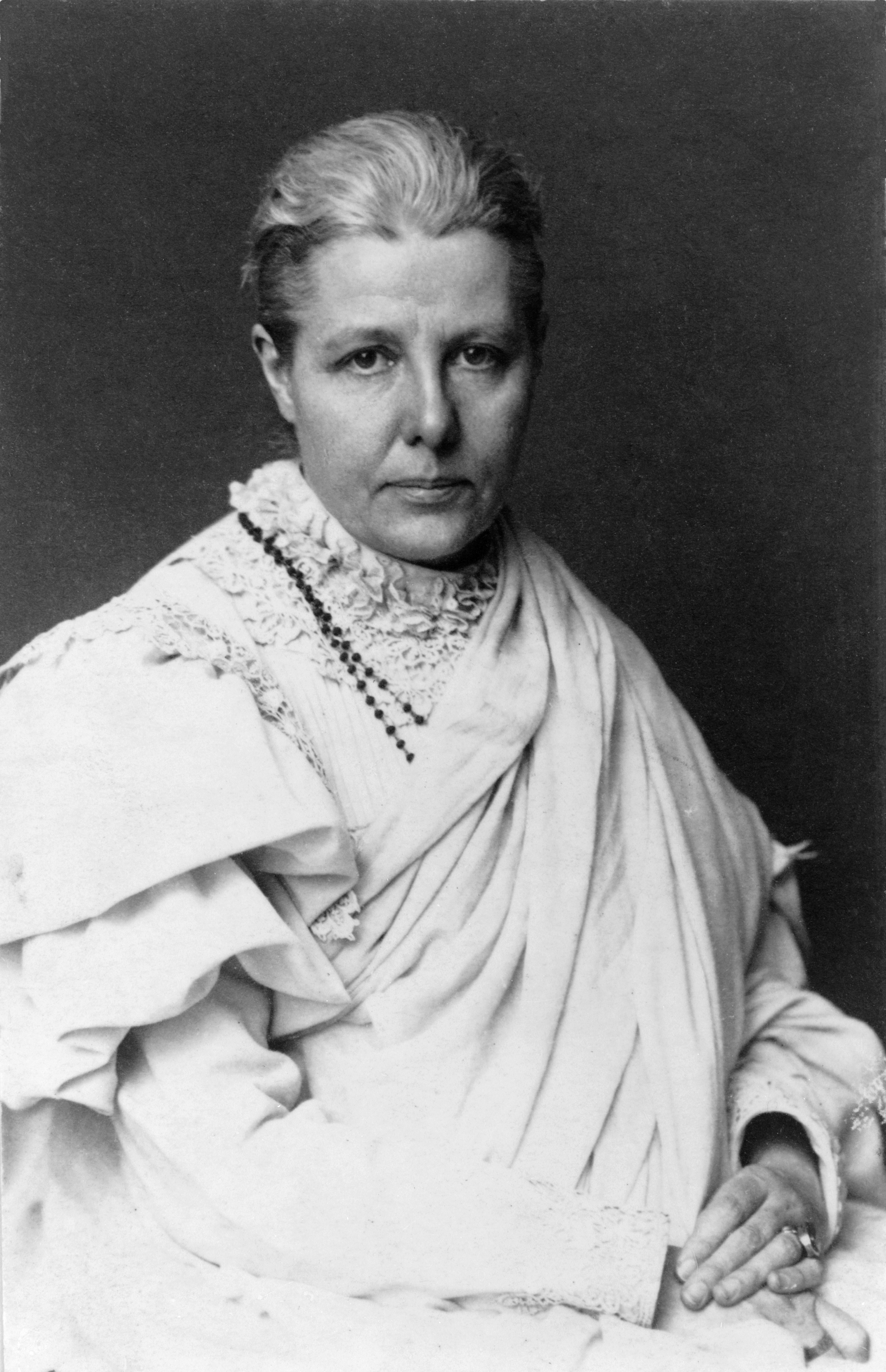
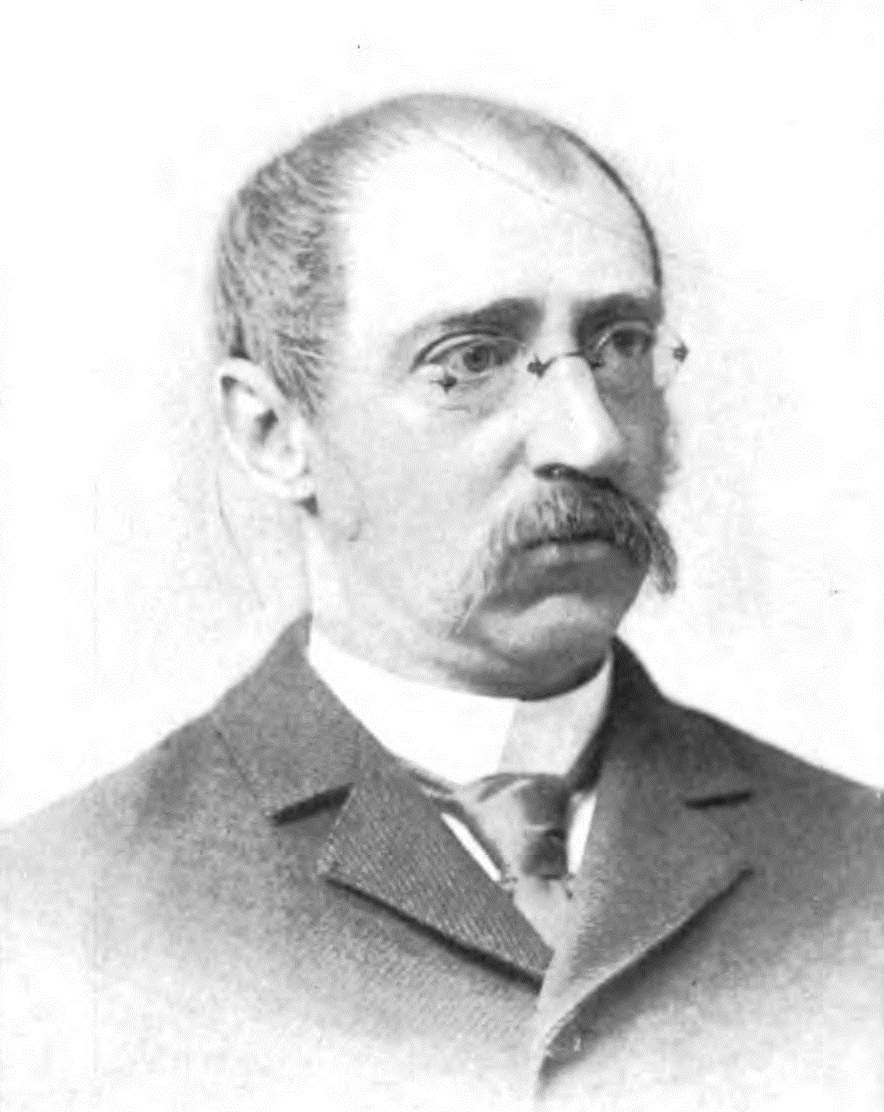
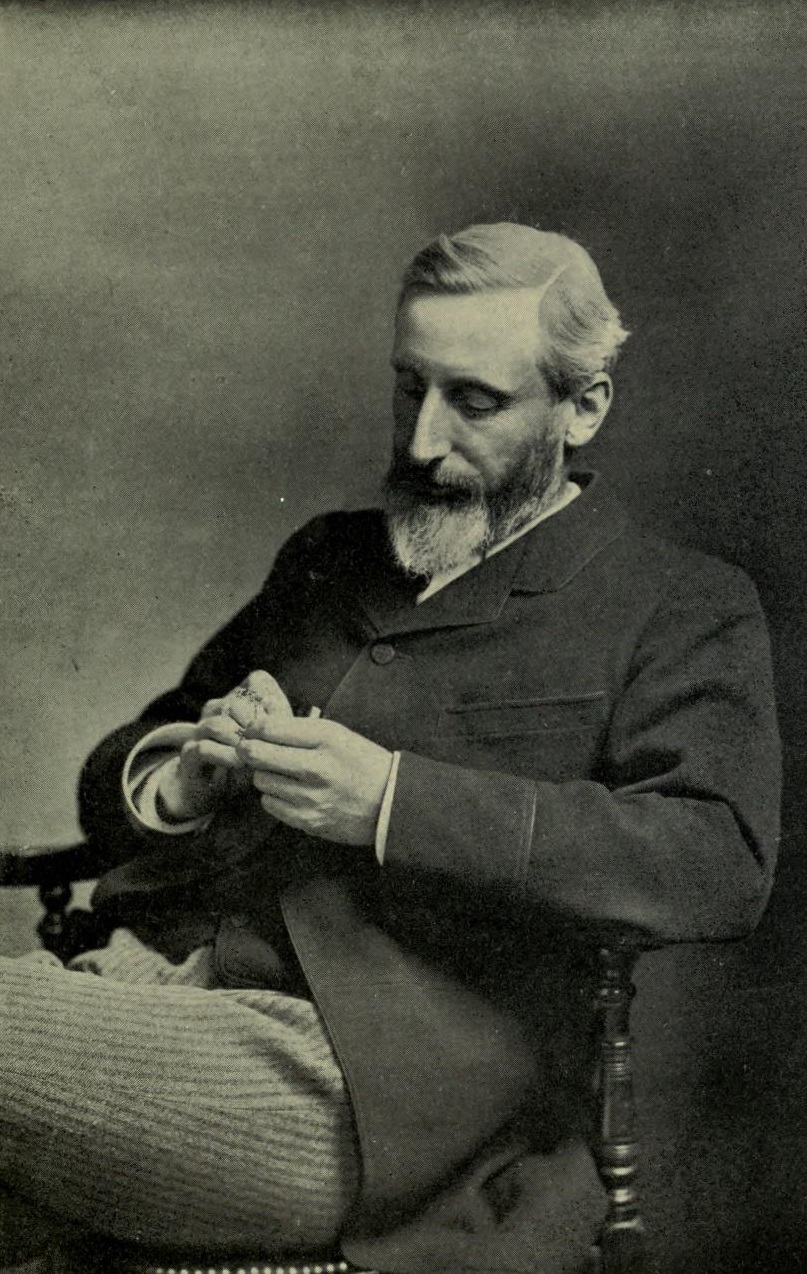



Link to this page
Add a free, dofollow link to Lex on your blog, forum, syllabus, or reading list.

<a href="https://lex-books.com/author/millicent-garrett-dame-fawcett"><img src="https://lex-books.com/badges/read-on-lex.svg" alt="Millicent Garrett, Dame Fawcett on Lex" width="160" height="40"></a>[](https://lex-books.com/author/millicent-garrett-dame-fawcett)[url=https://lex-books.com/author/millicent-garrett-dame-fawcett][img]https://lex-books.com/badges/read-on-lex.svg[/img][/url]Millicent Garrett, Dame Fawcett on Lex: https://lex-books.com/author/millicent-garrett-dame-fawcett