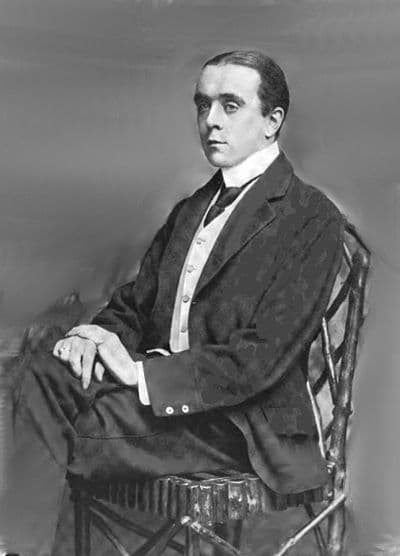
Max, Sir Beerbohm
Sir Max Beerbohm was an English essayist, parodist, and caricaturist, renowned for his sharp wit and keen observations of Edwardian society. Born in 1872, he emerged as a significant literary figure in the early 20th century, capturing the essence of his time through his satirical prose and illustrations. His most notable works include 'The Happy Hypocrite' and 'Zuleika Dobson', the latter of which is often celebrated for its humorous take on the themes of love and mortality, as well as its critique of the British upper class. Beerbohm's distinctive style combined elements of parody with a deep understanding of human nature, making his writing both entertaining and thought-provoking. Beerbohm's influence extended beyond literature; he was a prominent figure in the world of caricature, contributing illustrations to various periodicals and creating memorable portraits of his contemporaries. His ability to blend humor with social commentary established him as a key voice in the literary landscape of his time. Despite being overshadowed by some of his peers, Beerbohm's legacy endures through his unique contributions to satire and his enduring appeal in the canon of English literature, where he is remembered as a master of the art of the essay and caricature.
Books from the author

Link to this page
Add a free, dofollow link to Lex on your blog, forum, syllabus, or reading list.

<a href="https://lex-books.com/author/max-sir-beerbohm"><img src="https://lex-books.com/badges/read-on-lex.svg" alt="Max, Sir Beerbohm on Lex" width="160" height="40"></a>[](https://lex-books.com/author/max-sir-beerbohm)[url=https://lex-books.com/author/max-sir-beerbohm][img]https://lex-books.com/badges/read-on-lex.svg[/img][/url]Max, Sir Beerbohm on Lex: https://lex-books.com/author/max-sir-beerbohm