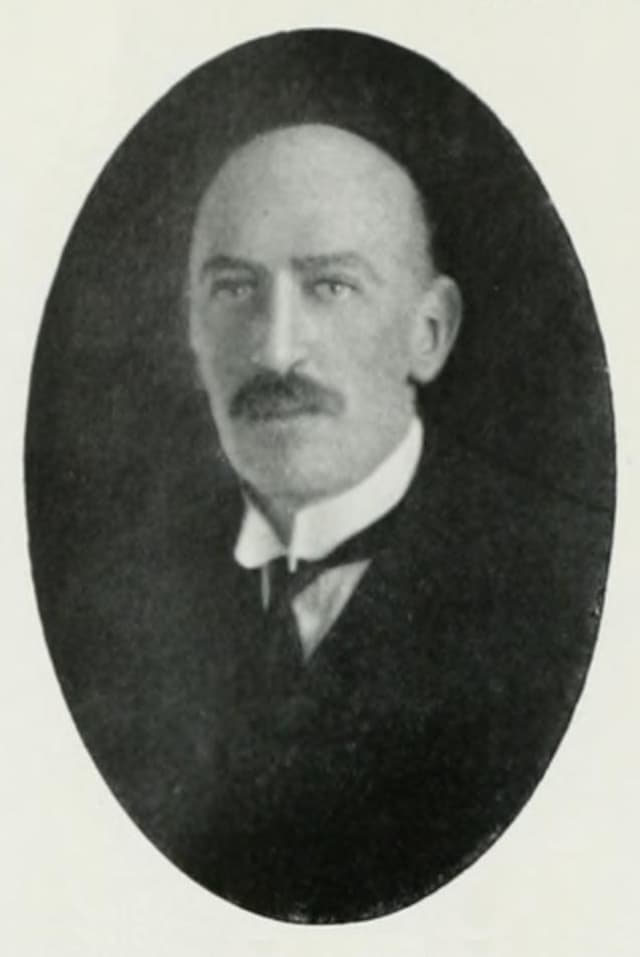
Maurice Baring
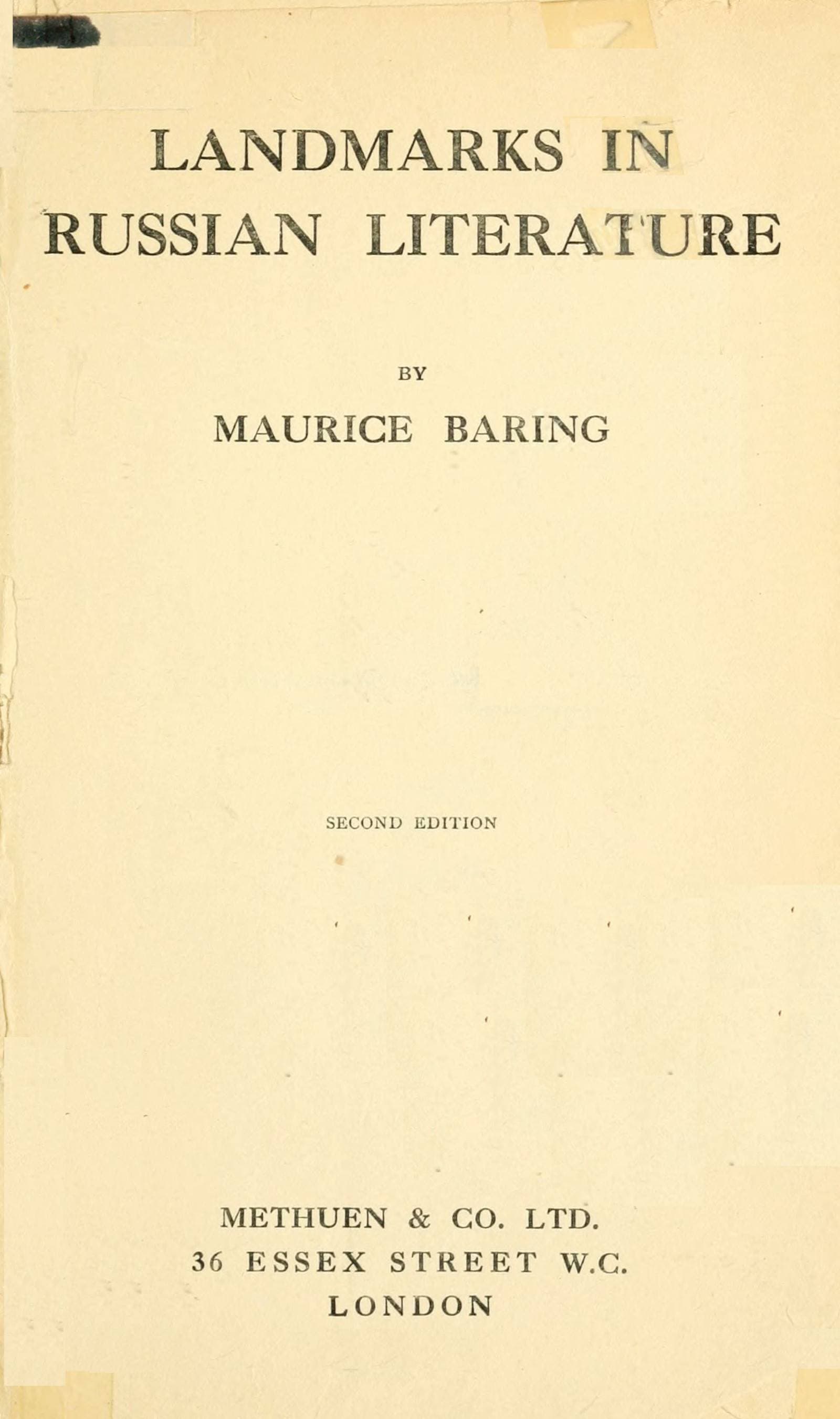
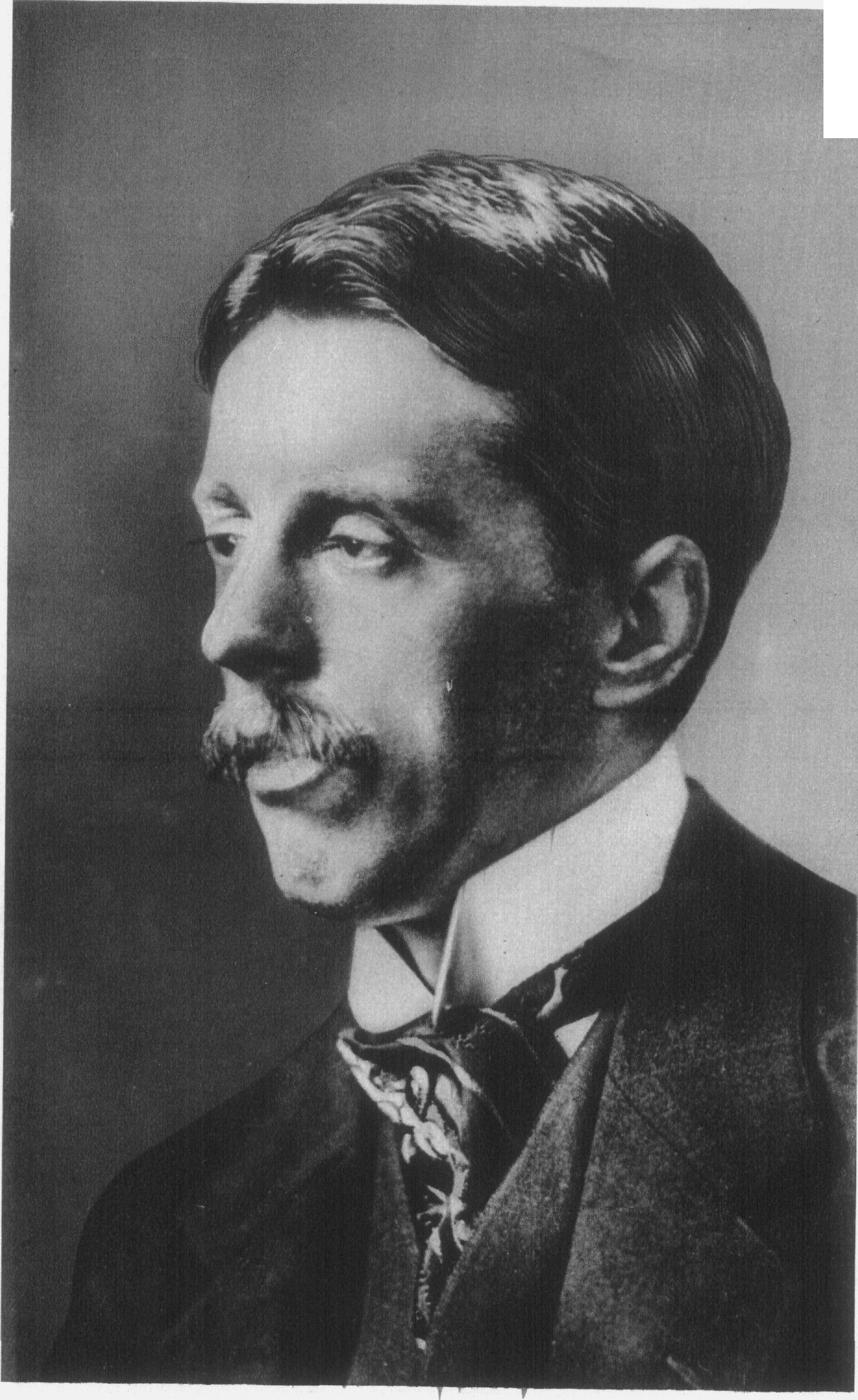
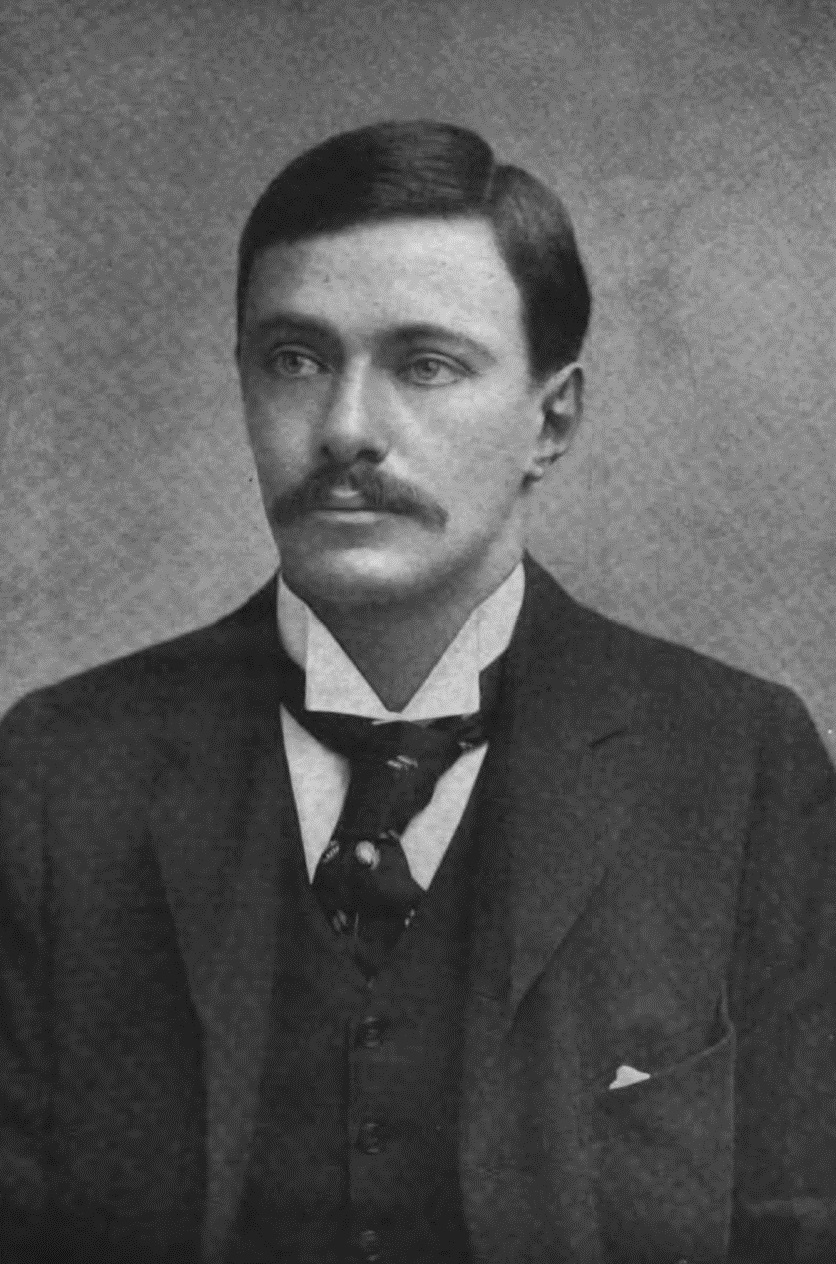
Maurice Baring was an English writer renowned for his diverse contributions to literature, including drama, poetry, novels, and essays. Born into a prominent family, he developed a keen interest in literature and travel from an early age. His experiences as a war correspondent during World War I, coupled with his deep knowledge of Russia, informed much of his writing. Baring's works often reflected his fascination with the complexities of human experience and the cultural intricacies of the places he visited. Notable works include 'The Coat of Arms', a novel that explores themes of identity and belonging, and 'The Russian Ballet', which showcases his insights into the art and culture of Russia. Baring's literary significance lies in his ability to blend personal experience with broader cultural observations, making his works both engaging and informative. His unique perspective as a war correspondent and his understanding of Russian society allowed him to craft narratives that resonated with readers of his time. Baring's legacy endures through his contributions to various literary forms and his role in bridging cultural gaps, particularly between England and Russia. His writings continue to be appreciated for their depth and insight into the human condition, reflecting the tumultuous times in which he lived.
Famous Quotes
View all 3 quotes“Totul trece, de fapt, atât de repede și, pe măsură ce înaintăm în vârstă, descoperim că toate au o importanță mult mai mică decât consideram noi la început... iar la capăt, știm că ne așteaptă odihna și somnul, și nimeni nu ne va deștepta.”
“what I feel with regard to our Mass, for instance, is the exact opposite of what you think you would be bound to feel. I feel at Mass as if I were breathing the kind of air you breathe on the mountains in spring, or in a wood, or in the fields at dawn on a spring day; something where the freshness is fresh beyond all sweetness: it is more than sweetness, it is simply fresh--unspeakably fresh . . . that is all, and that is enough. . . .”
“Pedepsele nu sunt împărțite muritorilor de o guvernanță arțăgoasă sau de un dascăl despotic; nu, pedeapsa e rezultatul logic, consecință inevitabilă a faptei rele.”
Books from the author
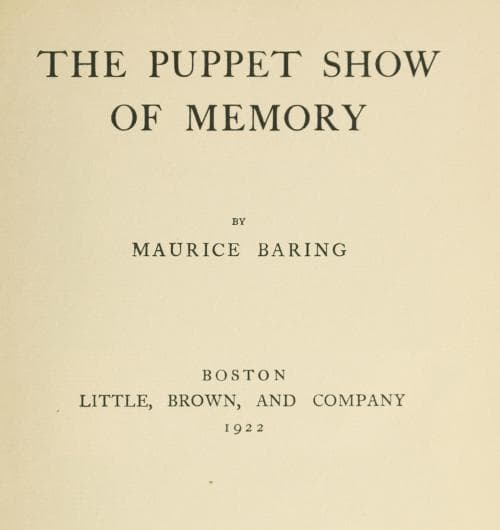
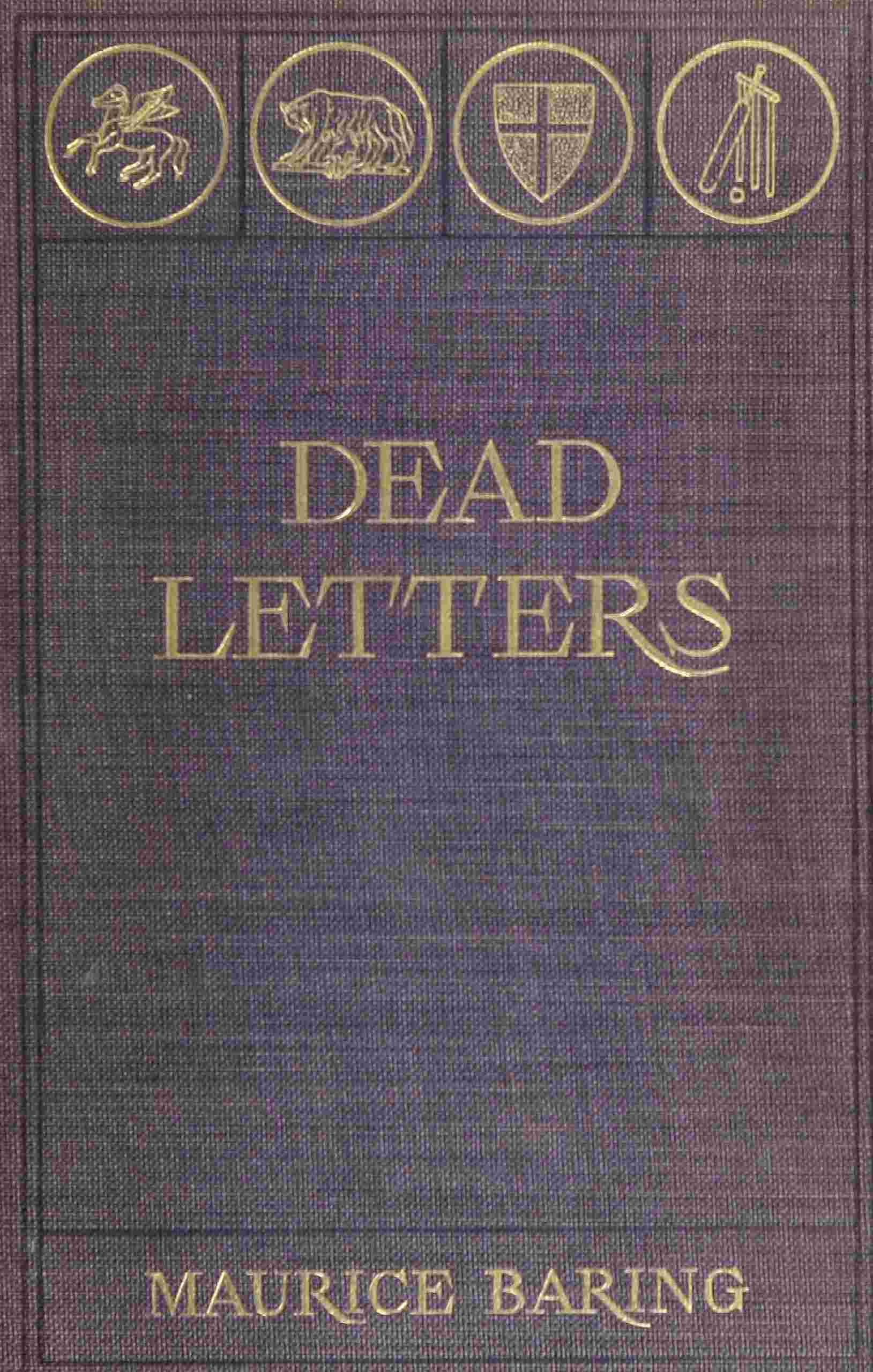
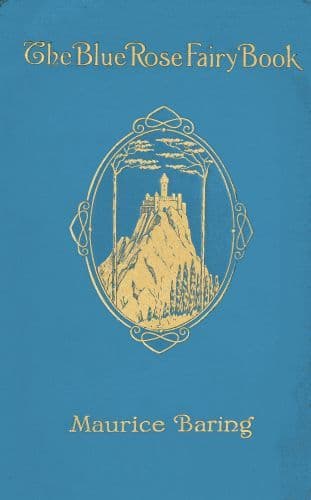

Link to this page
Add a free, dofollow link to Lex on your blog, forum, syllabus, or reading list.

<a href="https://lex-books.com/author/maurice-baring"><img src="https://lex-books.com/badges/read-on-lex.svg" alt="Maurice Baring on Lex" width="160" height="40"></a>[](https://lex-books.com/author/maurice-baring)[url=https://lex-books.com/author/maurice-baring][img]https://lex-books.com/badges/read-on-lex.svg[/img][/url]Maurice Baring on Lex: https://lex-books.com/author/maurice-baring