An Outline of Russian Literature
1795
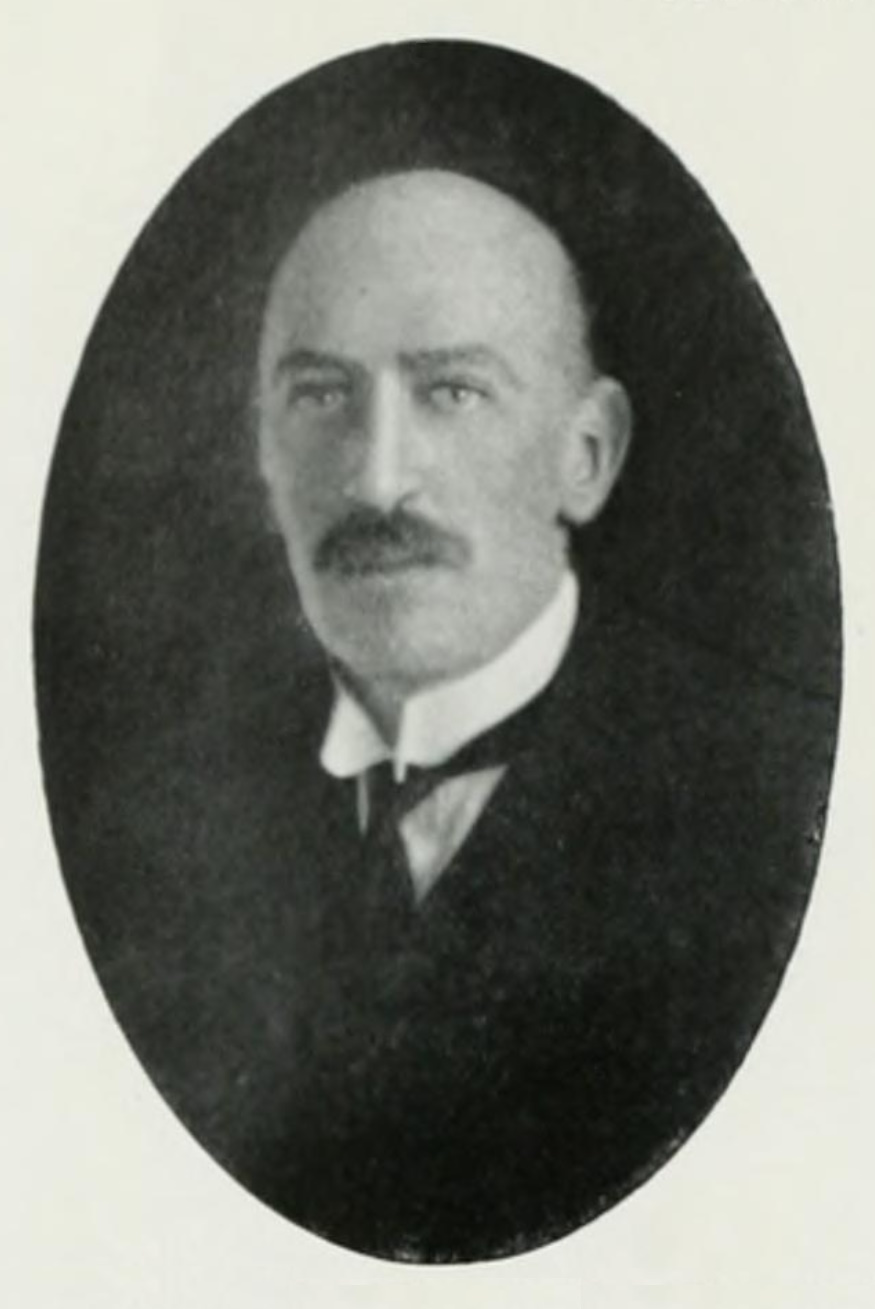
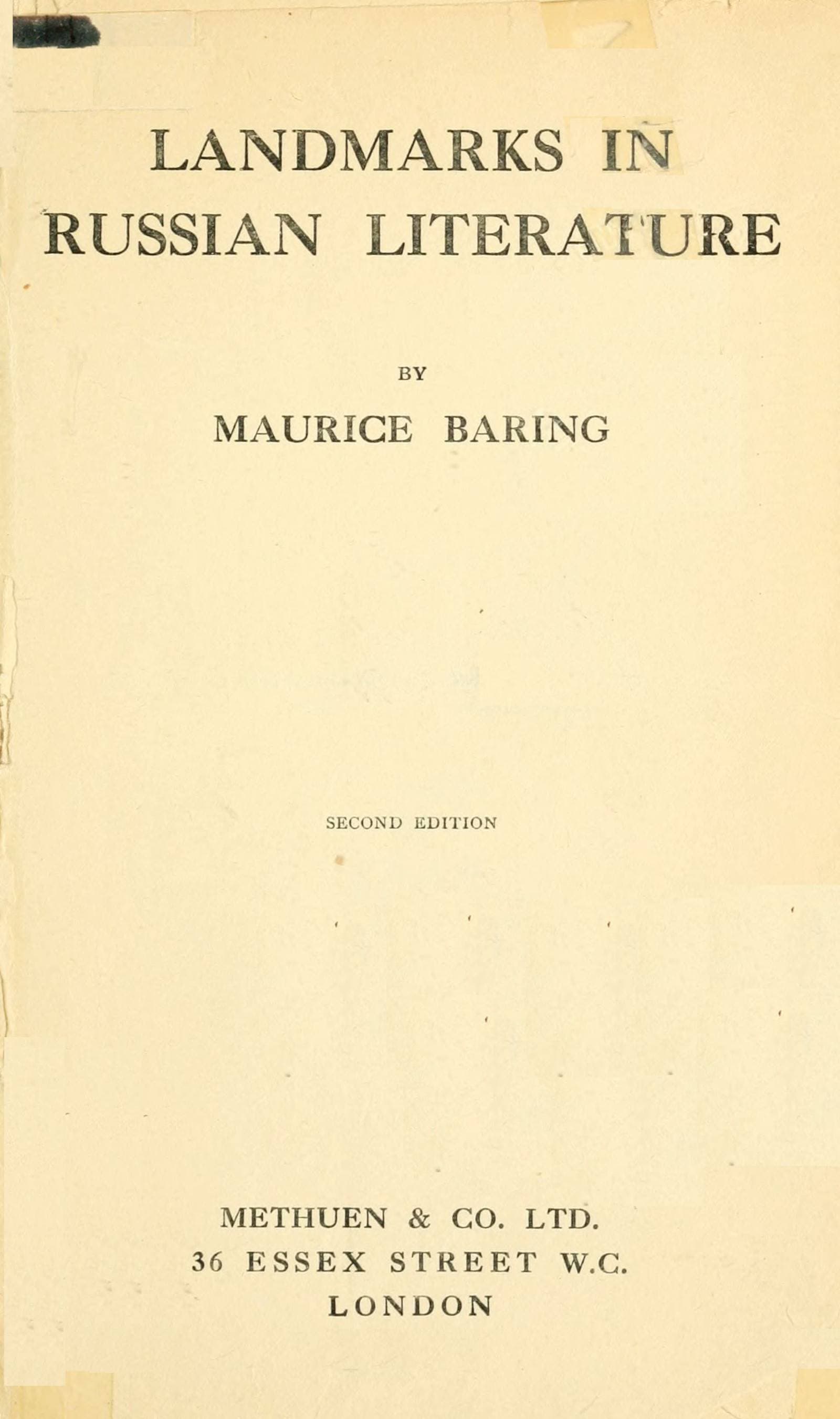
Written in 1914 when Russian literature remained a sealed book to most English readers, Maurice Baring set out to dismantle centuries of cultural ignorance with wit, warmth, and genuine reverence. This isn't a dry academic survey but a passionate advocate's case for a literary tradition that had largely escaped notice beyond Russia's borders. Baring begins where Russian literature itself begins: with the chronicles of Kiev, the haunting epic of Prince Igor's raid, and the early influences of Byzantine Christianity and Norse traders that shaped a distinctly Slavic voice. He then traces the long literary silence before Pushkin's revolutionary awakening, guides readers through the moral complexity of Gogol and Turgenev, and arrives at the towering realists, Dostoevsky, Tolstoy, Chekhov, who would eventually captivate the world. Throughout, Baring insists that Russian history and Russian literature are inseparable, that to understand the art you must first feel the weight of the snow, the ache of the serf, the vastness of the steppe. For anyone seeking to understand how a nation found its voice through centuries of political and spiritual struggle, Baring offers an elegantly personal gateway into a tradition that would eventually reshape world literature.
Editions
Link to this book
Add a free, dofollow link to Lex on your blog, forum, syllabus, or reading list.

<a href="https://lex-books.com/book/an-outline-of-russian-literature-9edfbadb-8ca7-481a-8e6e-65e2e7052a6a"><img src="https://lex-books.com/badges/read-on-lex.svg" alt="Read An Outline of Russian Literature by Maurice Baring free on Lex" width="160" height="40"></a>[](https://lex-books.com/book/an-outline-of-russian-literature-9edfbadb-8ca7-481a-8e6e-65e2e7052a6a)[url=https://lex-books.com/book/an-outline-of-russian-literature-9edfbadb-8ca7-481a-8e6e-65e2e7052a6a][img]https://lex-books.com/badges/read-on-lex.svg[/img][/url]Read An Outline of Russian Literature by Maurice Baring free on Lex: https://lex-books.com/book/an-outline-of-russian-literature-9edfbadb-8ca7-481a-8e6e-65e2e7052a6aCite this book
Reading this edition for a paper or guide? Copy a citation.
Baring, Maurice. An Outline of Russian Literature. Lex, lex-books.com/book/an-outline-of-russian-literature-9edfbadb-8ca7-481a-8e6e-65e2e7052a6a.Baring, M. (1795). An Outline of Russian Literature. Lex. https://lex-books.com/book/an-outline-of-russian-literature-9edfbadb-8ca7-481a-8e6e-65e2e7052a6aBaring, Maurice. An Outline of Russian Literature. Lex. https://lex-books.com/book/an-outline-of-russian-literature-9edfbadb-8ca7-481a-8e6e-65e2e7052a6a.