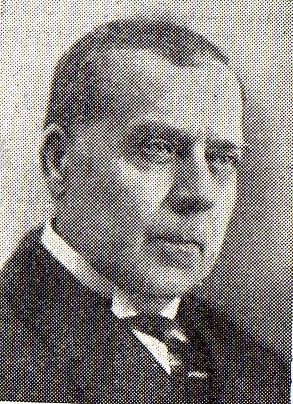
Marshall Everett
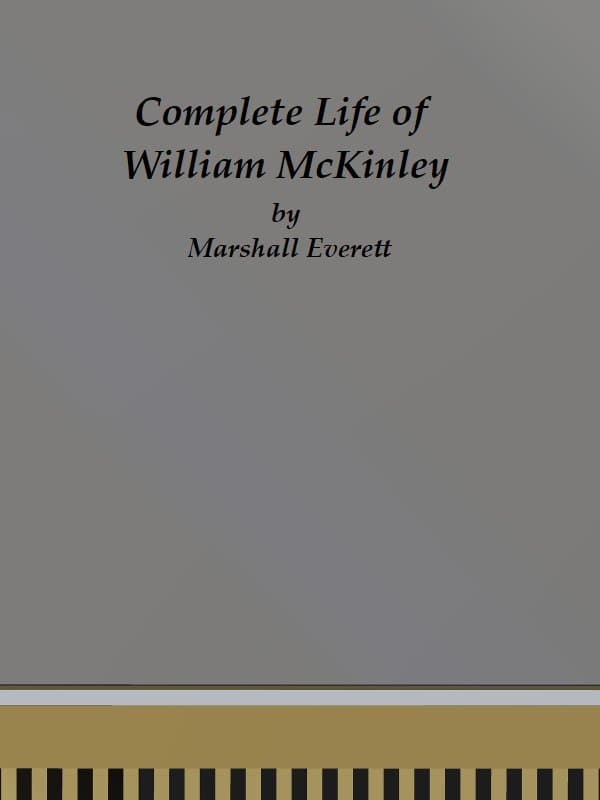
Marshall Everett was an American author and journalist known for his detailed accounts of significant historical events and figures. His most notable work, "Complete Life of William McKinley and Story of His Assassination," provides an extensive narrative of the life and legacy of the 25th President of the United States, capturing the essence of McKinley's political career and the tragic circumstances surrounding his assassination. This work stands out for its thoroughness and the way it reflects the national sentiment of the time, offering readers a glimpse into the political landscape of the late 19th and early 20th centuries. In addition to his biography of McKinley, Everett also wrote about contemporary tragedies, such as in "Lest We Forget: Chicago's Awful Theater Horror," which recounts the devastating Iroquois Theatre fire of 1903. His writings often focused on the dramatic and sometimes tragic events of American history, including his accounts of the Spanish-American War and the Philippine-American War in "Exciting Experiences in Our Wars with Spain and the Filipinos." Through these works, Everett contributed to the understanding of American military history and the societal impacts of these conflicts. His ability to weave narrative with historical fact has left a lasting impression on the genre of historical writing, making him a notable figure in early 20th-century American literature.
Famous Quotes
View all 1 quotes“Free trade in the United States is founded upon a community of equalities and reciprocities. It is like the unrestrained freedom and reciprocal relations and obligations of a family. Here we are one country, one language, one allegiance, one standard of citizenship, one flag, one Constitution, one Nation, one destiny. It is otherwise with foreign nations, each a separate organism, a distinct and independent political society, organized for its own, to protect its own, and work out its own destiny. We deny to those foreign nations free trade with us upon equal terms with our own producers. The foreign producer has no right or claim to equality with our own. He is not amenable to our laws. There are resting upon him none of the obligations of citizenship. He pays no taxes. He performs no civil duties; he is subject to no demands for military service. He is exempt from State, county and municipal obligations. He contributes nothing to the support, the progress and glory of the Nation. Why should he enjoy unrestrained equal privileges and profits in our markets with our producers, our labor and our taxpayers? Let the gentleman who follows me answer. We put a burden upon his productions, we discriminate against his merchandise, because he is alien to us and our interests, and we do it to protect our own, defend our own, preserve our own, who are always with us in adversity and prosperity, in sympathy and purpose, and, if necessary, in sacrifice. That is the principle which governs us. I submit it is a patriotic and righteous one. In our country each citizen competes with the other in free and unresentful rivalry, while with the rest of the world all are united and together in resisting outside competition as we would foreign interference.”
Books from the author





Link to this page
Add a free, dofollow link to Lex on your blog, forum, syllabus, or reading list.

<a href="https://lex-books.com/author/marshall-everett"><img src="https://lex-books.com/badges/read-on-lex.svg" alt="Marshall Everett on Lex" width="160" height="40"></a>[](https://lex-books.com/author/marshall-everett)[url=https://lex-books.com/author/marshall-everett][img]https://lex-books.com/badges/read-on-lex.svg[/img][/url]Marshall Everett on Lex: https://lex-books.com/author/marshall-everett