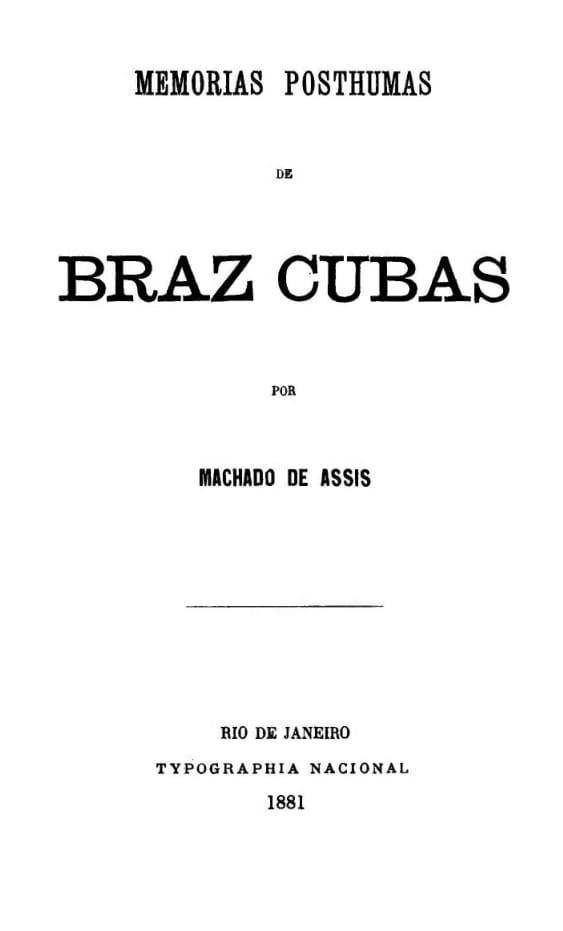
Memorias Posthumas De Braz Cubas
1881
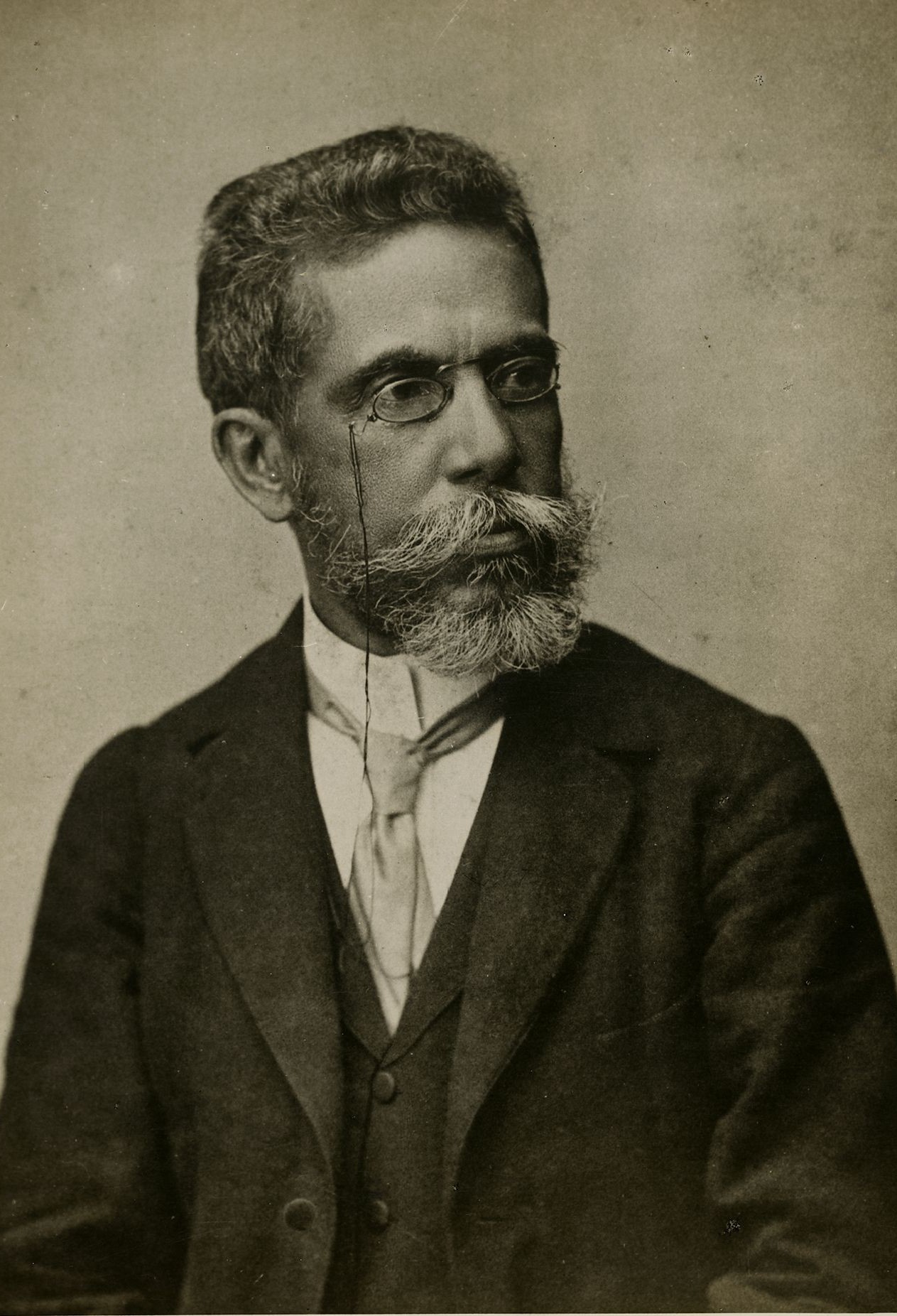
Brás Cubas died on a Tuesday. Now, from whatever lies beyond, he begins his memoirs. The most celebrated novel in Brazilian literature opens with a corpse musing on the small crowd at his funeral, and it only gets stranger from there. Cubas was a man of modest ambitions and colossal vanity, a colonial-era gentleman who spent his life pursuing women who rejected him while dismissing those who loved him. He sought wealth, status, and most of all, an heir to immortalize his name. He got none of it. Yet somehow, from beyond the grave, he narrates his own tale as a kind of twisted triumph. Machado de Assis writes with a scalpel disguised as a laugh. His prose is glittering, merciless, and weirdly tender, peeling back the pretensions of Rio de Janeiro's elite to reveal the pathetic machinery of desire, ego, and regret underneath. This is a book about the stories we tell ourselves to survive our own insignificance, told by a man who knows exactly how small his life was and tells it anyway. Darkly funny, deeply sad, and startlingly modern.
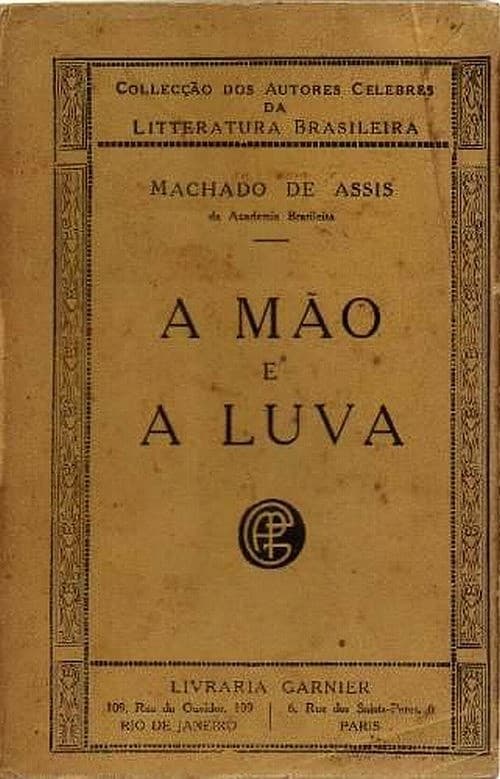
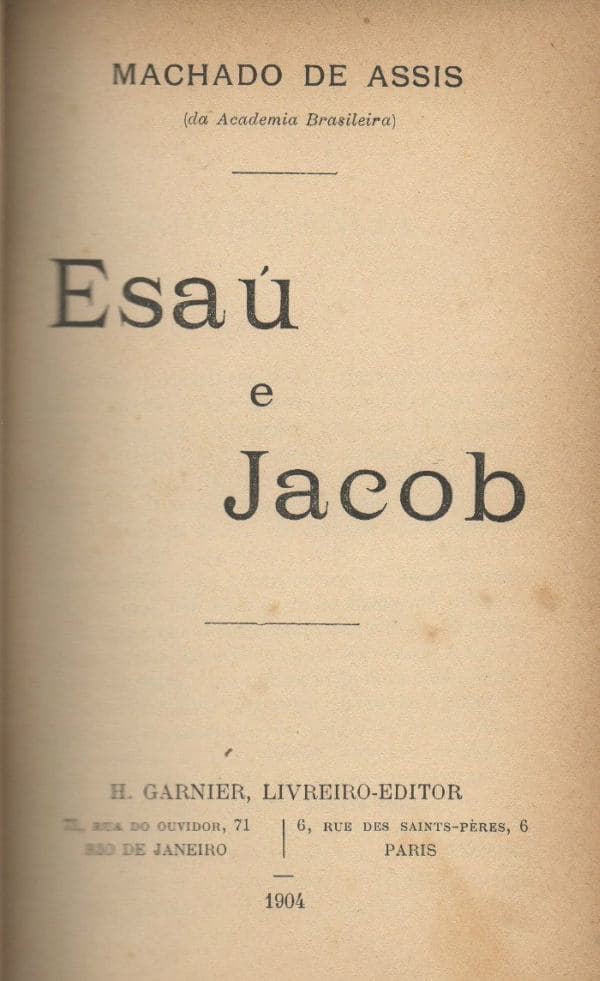
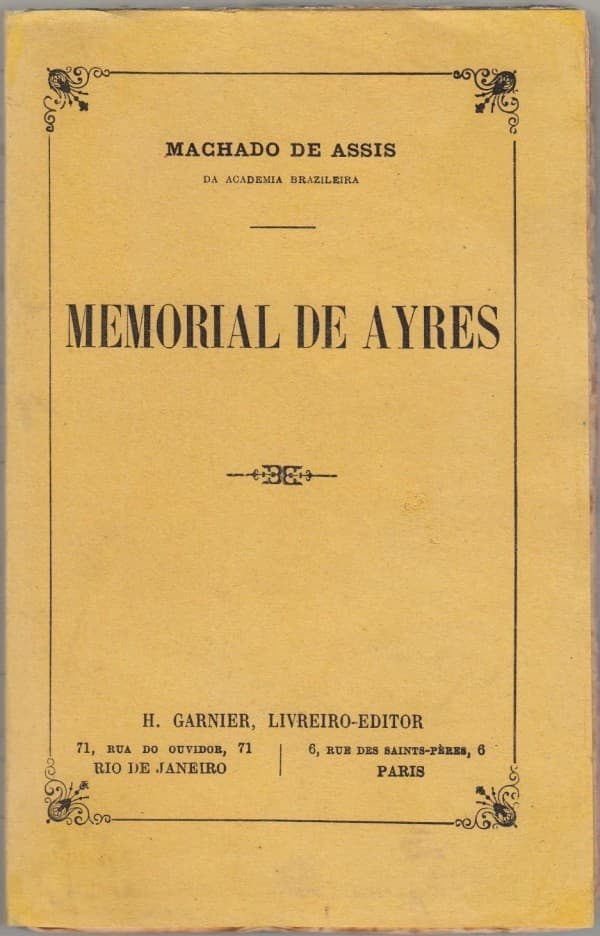
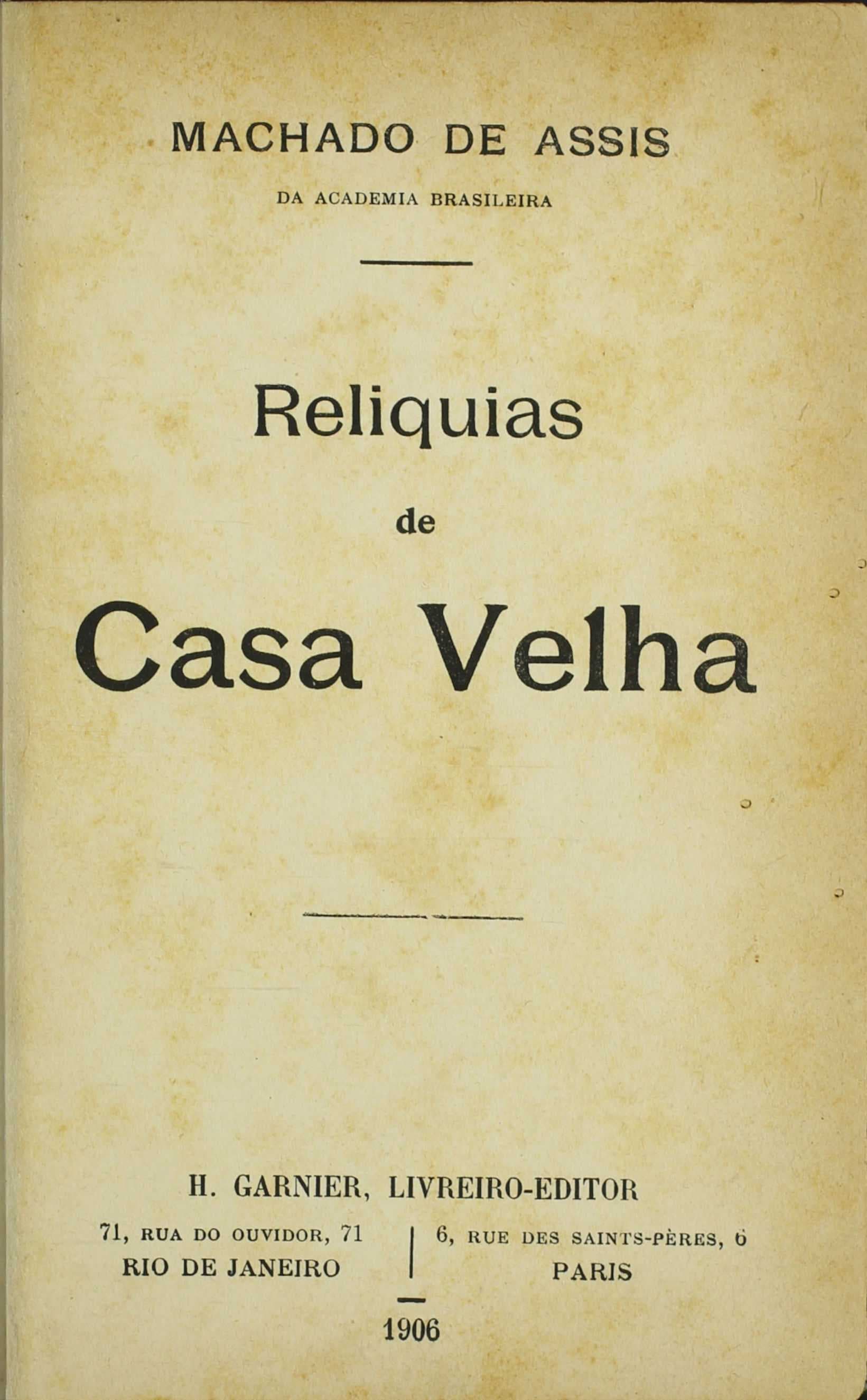
Editions

X-Ray
“Marcela amou-me durante quinze meses e onze contos de réis””
— Machado de Assis
“Ao verme que primeiro roeu as frias carnes do meu cadáver dedico como saudosa lembrança estas memórias póstumas””
— Machado de Assis
“Este último capítulo é todo de negativas. Não alcancei a celebridade do emplasto, não fui ministro, não fui califa, não conheci o casamento. Verdade é que, ao lado dessas faltas, coube-me a boa fortuna de não comprar o pão com o suor do meu rosto. Mais; não padeci a morte de D. Plácida, nem a semidemência do Quincas Borba. Somadas umas coisas e outras, qualquer pessoa imaginará que não houve míngua nem sobra, e conseguintemente que saí quite com a vida. E imaginará mal; porque ao chegar a este outro lado do mistério, achei-me com um pequeno saldo, que é a derradeira negativa deste capítulo de negativas:”
— Machado de Assis
“Matamos o tempo, o tempo nos enterra.””
— Machado de Assis
“Let Pascal say that man is a thinking reed. He is wrong; man is a thinking erratum. Each period in life is a new edition that corrects the preceding one and that in turn will be corrected by the next, until publication of the definitive edition, which the publisher donates to the worms.””
— Machado de Assis
“(...) preferi dormir, que é um modo interino de morrer.””
— Machado de Assis
“Por que bonita, se coxa? Por que coxa, se bonita?””
— Machado de Assis
“I am beginning to be sorry that I ever undertook to write this book. Not that it bores me; I have nothing else to do; indeed, it is a welcome distraction from eternity. But the book is tedious, it smells of the tomb, it has a rigor mortis about it; a serious fault, and yet a relatively small one, for the great defect of this book is you, reader. You want to live fast, to get to the end, and the book ambles along slowly; you like straight, solid narrative and a smooth style, but this book and my style are like a pair of drunks; they stagger to the right and to the left, they start and they stop, they mutter, they roar, they guffaw, they threaten the sky, they slip and fall...And fall! Unhappy leaves of my cypress tree, you had to fall, like everything else that is lovely and beautiful; if I had eyes, I would shed a tear of remembrance for you. And this is the great advantage in being dead, that if you have no mouth with which to laugh, neither have you eyes with which to cry.””
— Machado de Assis
“Não tive filhos, não transmiti a nenhuma criatura o legado da nossa miséria.””
— Machado de Assis
Link to this book
Add a free, dofollow link to Lex on your blog, forum, syllabus, or reading list.

<a href="https://lex-books.com/book/memorias-posthumas-de-braz-cubas-bd7b042d-d57e-4e5e-bb4f-6483fd212fc3"><img src="https://lex-books.com/badges/read-on-lex.svg" alt="Read Memorias Posthumas De Braz Cubas by Machado de Assis free on Lex" width="160" height="40"></a>[](https://lex-books.com/book/memorias-posthumas-de-braz-cubas-bd7b042d-d57e-4e5e-bb4f-6483fd212fc3)[url=https://lex-books.com/book/memorias-posthumas-de-braz-cubas-bd7b042d-d57e-4e5e-bb4f-6483fd212fc3][img]https://lex-books.com/badges/read-on-lex.svg[/img][/url]Read Memorias Posthumas De Braz Cubas by Machado de Assis free on Lex: https://lex-books.com/book/memorias-posthumas-de-braz-cubas-bd7b042d-d57e-4e5e-bb4f-6483fd212fc3Cite this book
Reading this edition for a paper or guide? Copy a citation.
Assis, Machado de. Memorias Posthumas De Braz Cubas. Lex, lex-books.com/book/memorias-posthumas-de-braz-cubas-bd7b042d-d57e-4e5e-bb4f-6483fd212fc3.Assis, M. D. (1881). Memorias Posthumas De Braz Cubas. Lex. https://lex-books.com/book/memorias-posthumas-de-braz-cubas-bd7b042d-d57e-4e5e-bb4f-6483fd212fc3Assis, Machado de. Memorias Posthumas De Braz Cubas. Lex. https://lex-books.com/book/memorias-posthumas-de-braz-cubas-bd7b042d-d57e-4e5e-bb4f-6483fd212fc3.