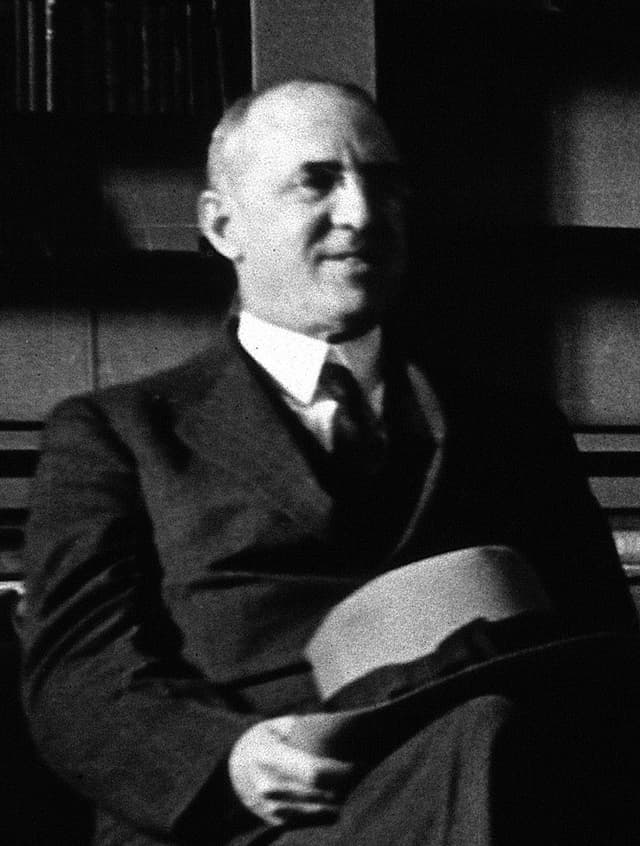
Lynn Thorndike
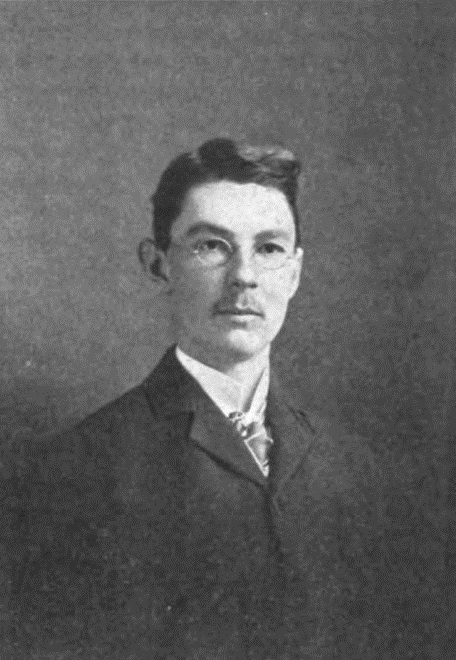
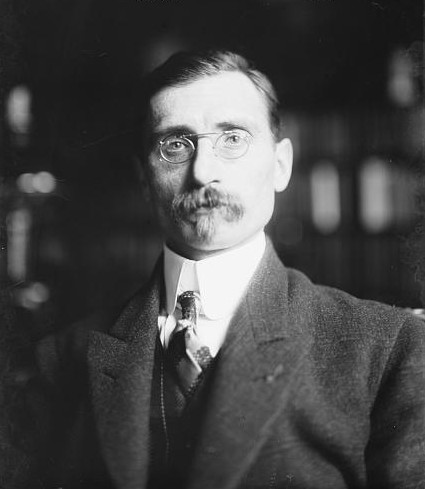
Lynn Thorndike was an influential American historian renowned for his pioneering studies in medieval science and alchemy. Born in Lynn, Massachusetts, he was raised in an intellectually stimulating environment, being the son of a clergyman and the brother of notable figures in education and psychology. Thorndike's scholarly contributions significantly shaped the understanding of the historical context of science, particularly through his seminal work, 'A Short History of Civilization' published in 1926. In this work, he was the first to introduce the term 'early modern' to delineate the period from 1500 to 1800, a classification that has since become standard in historical discourse. Thorndike's extensive research into alchemy and its role in the development of scientific thought positioned him as a key figure in the study of the transition from medieval to modern science. His meticulous approach and dedication to uncovering the complexities of historical scientific practices earned him recognition in academic circles. Through his writings, Thorndike not only advanced the field of history but also provided a framework for understanding the evolution of scientific ideas, leaving a lasting legacy that continues to influence historians and scholars today.
Famous Quotes
View all 3 quotes“medieval English literature reached its height after the plague in the writings of William Langland and Geoffrey Chaucer”
“North of the Alps almost any Italians engaged in banking were indiscriminately called “Lombards,” and Lombard Street was the center of the financial district of London.”
“The poets of other countries learned from the troubadours many lessons in literary form; their refining influence upon manners was also widely felt and their attitude toward woman was generally adopted.”
Books from the author




Link to this page
Add a free, dofollow link to Lex on your blog, forum, syllabus, or reading list.

<a href="https://lex-books.com/author/lynn-thorndike"><img src="https://lex-books.com/badges/read-on-lex.svg" alt="Lynn Thorndike on Lex" width="160" height="40"></a>[](https://lex-books.com/author/lynn-thorndike)[url=https://lex-books.com/author/lynn-thorndike][img]https://lex-books.com/badges/read-on-lex.svg[/img][/url]Lynn Thorndike on Lex: https://lex-books.com/author/lynn-thorndike