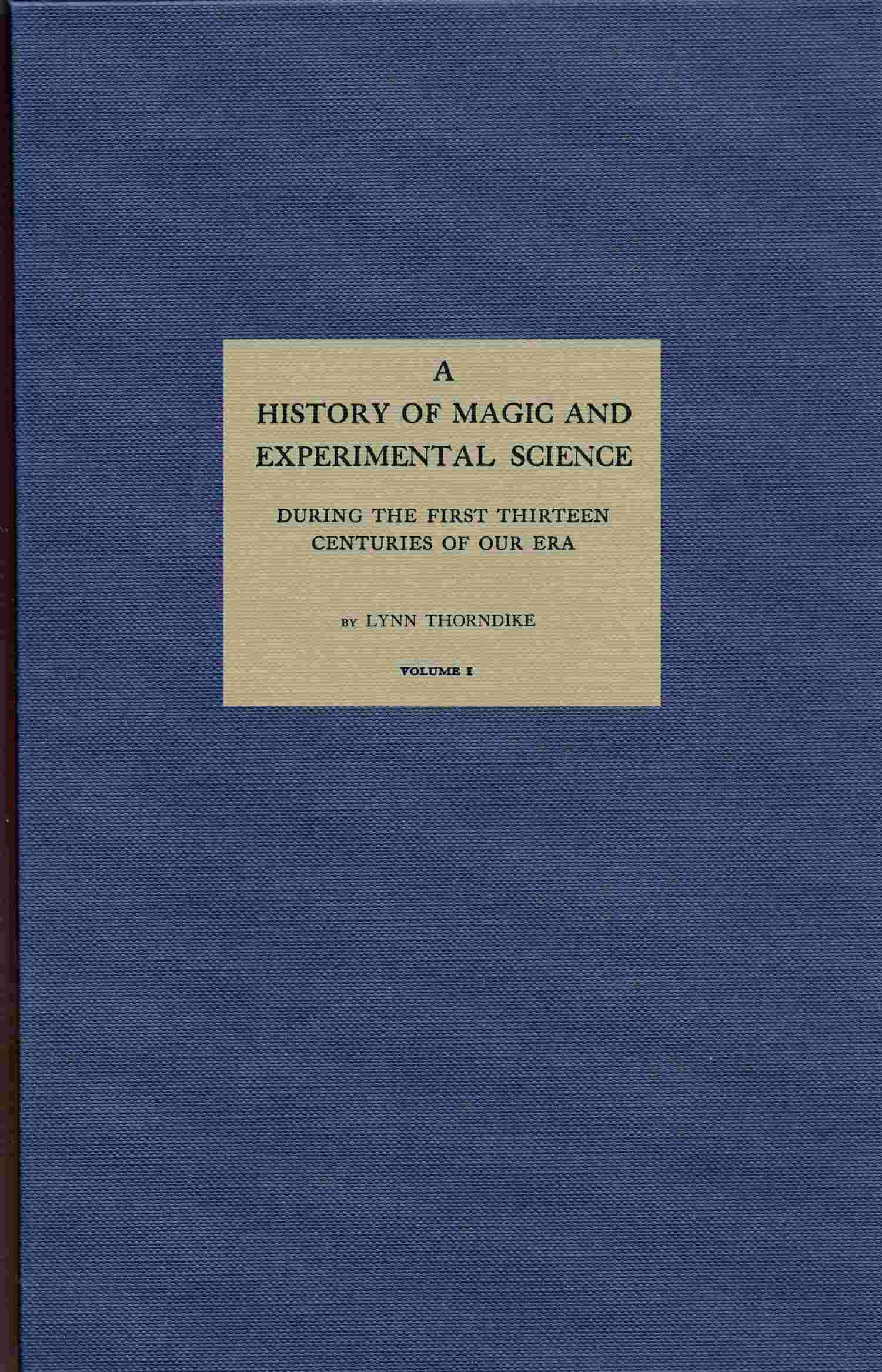
A History of Magic and Experimental Science, Volume 2 (of 2)during the First Thirteen Centuries of Our Era
1929
A History of Magic and Experimental Science, Volume 2 (of 2)during the First Thirteen Centuries of Our Era
1929
A historical account written in the early 20th century. This volume explores the development of magic and experimental science during the twelfth and thirteenth centuries, featuring prominent figures and intellectual movements of the period. The book delves into the relationship between magic, natural sciences, and Christian thought, offering insights into how these subjects were intertwined during medieval times. At the start of this volume, Thorndike introduces key contributors to scholastic theology such as Peter Abelard and Hugh of St. Victor. He discusses the influence of these figures on magic and experimental science, emphasizing their significant roles in the growth of these disciplines. The opening chapter highlights Abelard's thoughts on astrology and the stars, demonstrating the complexities of medieval understanding of natural and supernatural forces. Through a detailed examination of these early scholars, the author sets the stage for a broader discussion on the evolution of thought in the realms of science and magic throughout the upcoming chapters.
Editions
X-Ray
Prominent 12th century scholastic theologian and philosopher (1079-1142). Known for his work 'Sic et Non' and his views on astrology, demons, and natural forces.
Saxon scholar and mystic (1096-1141), head of St. Victor school in Paris. Author of the Didascalicon and works on classification of sciences including magic.
English scholar and translator (active early 12th century) who traveled extensively to study Arabic learning. Pioneer in natural science and experimental method.
Norman philosopher and natural scientist who taught grammar and later served Geoffrey Plantagenet. Wrote Philosophia and its revision Dragmaticon.
About A History of Magic and Experimental Science, Volume 2 (of 2)during the First Thirteen Centuries of Our Era
Chapter Summaries
- 35
- Examines the views of two founders of scholastic theology on astrology, demons, and natural forces. Both accept limited astrological influence while rejecting predictions of contingent events involving free will.
- 36
- Chronicles the life and works of this pioneering English natural scientist who traveled to study Arabic learning and championed reason over authority, making important contributions to experimental method.
- 37
- Details the career of this Norman philosopher who wrote influential works on natural philosophy, faced theological criticism, but maintained his scientific views in a revised edition.
Key Themes
- Translation and Cultural Exchange
- The massive transfer of Arabic learning to Latin Europe through translation, particularly in Spain, fundamentally transformed medieval intellectual life and scientific understanding.
- Reason versus Authority
- Medieval scholars like Adelard of Bath championed reason and experimental observation over blind acceptance of past authorities, marking a shift toward empirical investigation.
- Science and Religion
- The complex relationship between emerging natural science and Christian theology, with scholars seeking to reconcile astrological and scientific knowledge with religious doctrine.
Characters
- Peter Abelard(major)
- Prominent 12th century scholastic theologian and philosopher (1079-1142). Known for his work 'Sic et Non' and his views on astrology, demons, and natural forces.
- Hugh of St. Victor(major)
- Saxon scholar and mystic (1096-1141), head of St. Victor school in Paris. Author of the Didascalicon and works on classification of sciences including magic.
- Adelard of Bath(major)
- English scholar and translator (active early 12th century) who traveled extensively to study Arabic learning. Pioneer in natural science and experimental method.
- William of Conches(major)
- Norman philosopher and natural scientist who taught grammar and later served Geoffrey Plantagenet. Wrote Philosophia and its revision Dragmaticon.
- John of Seville(major)
- Chief translator of astrological works from Arabic to Latin in 12th century. Compiled his own Epitome of astrology in 1142.
- Gerard of Cremona(major)
- Prolific translator (1114-1187) who came to Toledo seeking the Almagest and devoted his life to translating Arabic works into Latin.
Link to this book
Add a free, dofollow link to Lex on your blog, forum, syllabus, or reading list.

<a href="https://lex-books.com/book/a-history-of-magic-and-experimental-science-volume-2-of-2-during-the-first-thirt-5c017444-843c-4b82-9ddd-09e2540ab856"><img src="https://lex-books.com/badges/read-on-lex.svg" alt="Read A History of Magic and Experimental Science, Volume 2 (of 2)during the First Thirteen Centuries of Our Era by Lynn Thorndike free on Lex" width="160" height="40"></a>[](https://lex-books.com/book/a-history-of-magic-and-experimental-science-volume-2-of-2-during-the-first-thirt-5c017444-843c-4b82-9ddd-09e2540ab856)[url=https://lex-books.com/book/a-history-of-magic-and-experimental-science-volume-2-of-2-during-the-first-thirt-5c017444-843c-4b82-9ddd-09e2540ab856][img]https://lex-books.com/badges/read-on-lex.svg[/img][/url]Read A History of Magic and Experimental Science, Volume 2 (of 2)during the First Thirteen Centuries of Our Era by Lynn Thorndike free on Lex: https://lex-books.com/book/a-history-of-magic-and-experimental-science-volume-2-of-2-during-the-first-thirt-5c017444-843c-4b82-9ddd-09e2540ab856Cite this book
Reading this edition for a paper or guide? Copy a citation.
Thorndike, Lynn. A History of Magic and Experimental Science, Volume 2 (of 2)during the First Thirteen Centuries of Our Era. Lex, lex-books.com/book/a-history-of-magic-and-experimental-science-volume-2-of-2-during-the-first-thirt-5c017444-843c-4b82-9ddd-09e2540ab856.Thorndike, L. (1929). A History of Magic and Experimental Science, Volume 2 (of 2)during the First Thirteen Centuries of Our Era. Lex. https://lex-books.com/book/a-history-of-magic-and-experimental-science-volume-2-of-2-during-the-first-thirt-5c017444-843c-4b82-9ddd-09e2540ab856Thorndike, Lynn. A History of Magic and Experimental Science, Volume 2 (of 2)during the First Thirteen Centuries of Our Era. Lex. https://lex-books.com/book/a-history-of-magic-and-experimental-science-volume-2-of-2-during-the-first-thirt-5c017444-843c-4b82-9ddd-09e2540ab856.