
Lydia Hoyt Farmer
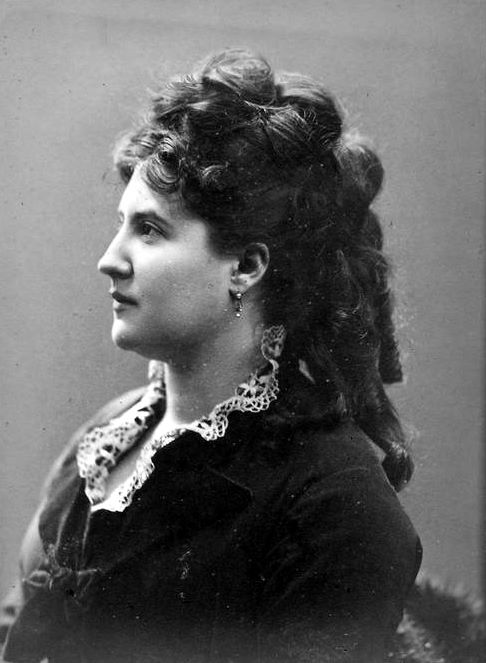
Lydia Hoyt Farmer was a prominent 19th-century American author and women's rights activist known for her diverse contributions to literature. Throughout her career, she wrote a wide array of works, including poems, essays, juvenile stories, historical sketches, and novels. Farmer's writing was characterized by a deeply religious nature, as she sought to imbue her narratives with both moral lessons and engaging sentiments. Her notable works include 'Aunt Belindy's Point of View,' 'The Doom of the Holy City,' and 'What America Owes to Women,' the latter of which she edited for the Woman's Department of the World's Columbian Exposition, highlighting the contributions of women in society. Farmer's literary significance lies not only in her prolific output but also in her commitment to advocating for women's rights through her writing. She was an early voice in the movement, using her platform to address social issues and promote the importance of women's contributions to history and culture. Her works often featured strong female characters and themes of empowerment, making her a notable figure in the landscape of American literature during her time. Lydia Hoyt Farmer's legacy endures as a testament to the role of women in literature and social reform in the 19th century.
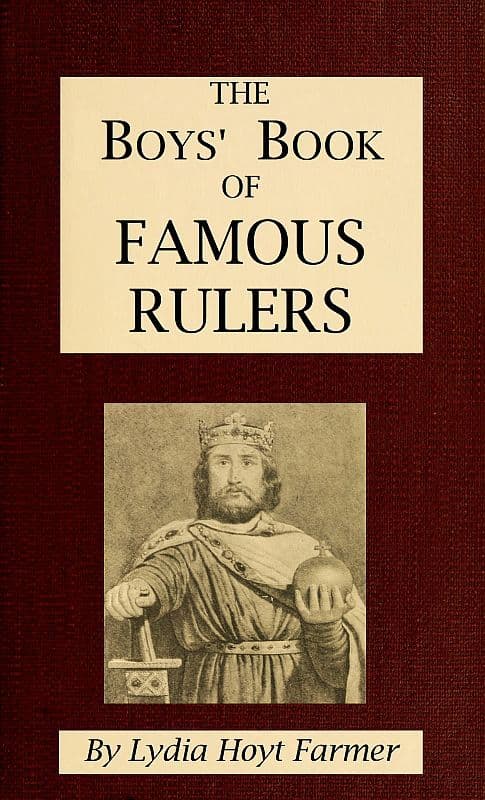
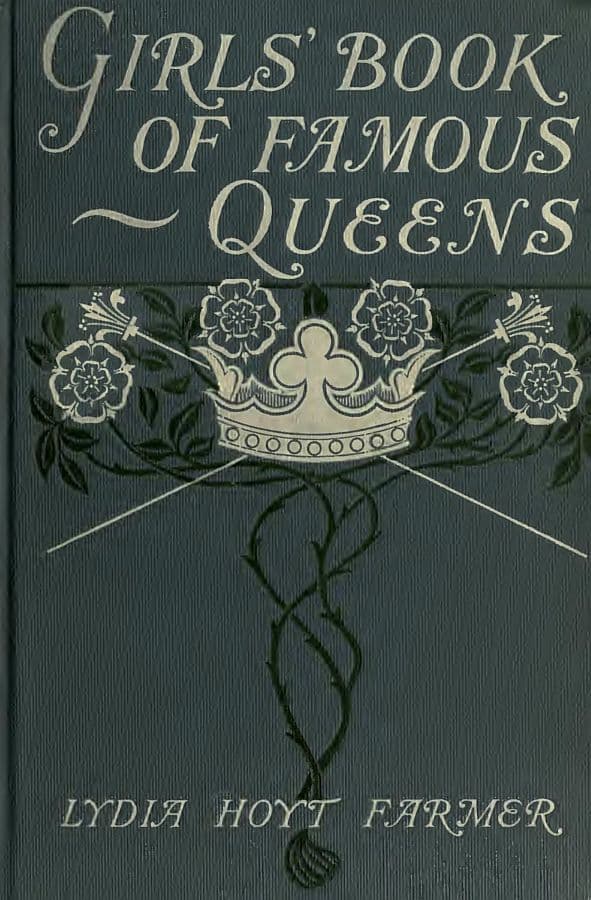
Books from the author



Link to this page
Add a free, dofollow link to Lex on your blog, forum, syllabus, or reading list.

<a href="https://lex-books.com/author/lydia-hoyt-farmer"><img src="https://lex-books.com/badges/read-on-lex.svg" alt="Lydia Hoyt Farmer on Lex" width="160" height="40"></a>[](https://lex-books.com/author/lydia-hoyt-farmer)[url=https://lex-books.com/author/lydia-hoyt-farmer][img]https://lex-books.com/badges/read-on-lex.svg[/img][/url]Lydia Hoyt Farmer on Lex: https://lex-books.com/author/lydia-hoyt-farmer