
Liezi
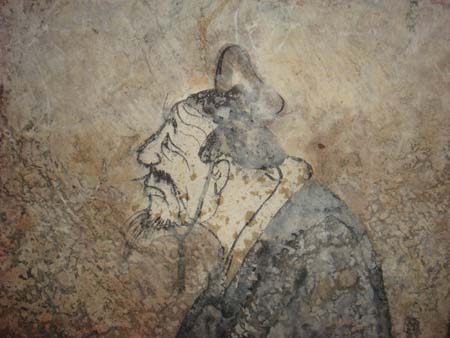
Liezi, also known as Lie Tzu, was a significant figure in early Chinese philosophy, traditionally associated with Daoism. Active during the 4th century B.C., he is best known for his eponymous work, the 'Liezi,' a collection of stories and philosophical musings that explore themes of spontaneity, naturalness, and the Dao, or 'the Way.' The text is notable for its blend of folklore, parables, and philosophical discourse, reflecting the complexities of human experience and the natural world. Liezi's writings often emphasize the importance of aligning oneself with the Dao to achieve harmony and fulfillment in life, positioning him as a key thinker in the development of Daoist thought alongside contemporaries like Laozi and Zhuangzi. The 'Liezi' is distinguished not only for its literary merit but also for its influence on later Chinese philosophy and literature. It presents a unique perspective that contrasts with Confucian ideals, advocating for a more individualistic and nature-oriented approach to existence. Liezi's legacy endures through his contributions to Daoism, as well as his impact on subsequent philosophical traditions in China, making him a pivotal figure in the rich tapestry of ancient Chinese thought.
Famous Quotes
View all 20 quotes“Some people think they can find satisfaction in good food, fine clothes, lively music, and sexual pleasure. However, when they have all these things, they are not satisfied. They realize happiness is not simply having their material needs met. Thus, society has set up a system of rewards that go beyond material goods. These include titles, social recognition, status, and political power, all wrapped up in a package called self-fulfillment. Attracted by these prizes and goaded on by social pressure, people spend their short lives tiring body and mind to chase after these goals. Perhaps this gives them the feeling that they have achieved something in their lives, but in reality they have sacrificed a lot in life. They can no longer see, hear, act, feel, or think from their hearts. Everything they do is dictated by whether it can get them social gains. In the end, they've spent their lives following other people's demands and never lived a life of their own. How different is this from the life of a slave or a prisoner?””
“When two things occur successively we call them cause and effect if we believe one event made the other one happen. If we think one event is the response to the other, we call it a reaction. If we feel that the two incidents are not related, we call it a mere coincidence. If we think someone deserved what happened, we call it retribution or reward, depending on whether the event was negative or positive for the recipient. If we cannot find a reason for the two events' occurring simultaneously or in close proximity, we call it an accident. Therefore, how we explain coincidences depends on how we see the world. Is everything connected, so that events create resonances like ripples across a net? Or do things merely co-occur and we give meaning to these co-occurrences based on our belief system? Lieh-tzu's answer: It's all in how you think.””
“In youth, our blood rises and becomes volatile. Desire, worry, and anxiety increase. External circumstances now direct the rise and fall of emotions. Will and intention become constrained by social conventions. Competition, conflict, and scheming are the norm in interactions with people. The approval and disapproval of others become important, and the honest and sincere expression of thoughts and feelings is lost.””
Books from the author



Link to this page
Add a free, dofollow link to Lex on your blog, forum, syllabus, or reading list.

<a href="https://lex-books.com/author/liezi"><img src="https://lex-books.com/badges/read-on-lex.svg" alt="Liezi on Lex" width="160" height="40"></a>[](https://lex-books.com/author/liezi)[url=https://lex-books.com/author/liezi][img]https://lex-books.com/badges/read-on-lex.svg[/img][/url]Liezi on Lex: https://lex-books.com/author/liezi