What would you like to read?Search books, authors, genres, shelves, users...
Search books, authors, genres, shelves, users...Search books, authors, genres, shelves, users...

What would you like to read?Search books, authors, genres, shelves, users...
Search books, authors, genres, shelves, users...Search books, authors, genres, shelves, users...
1 books
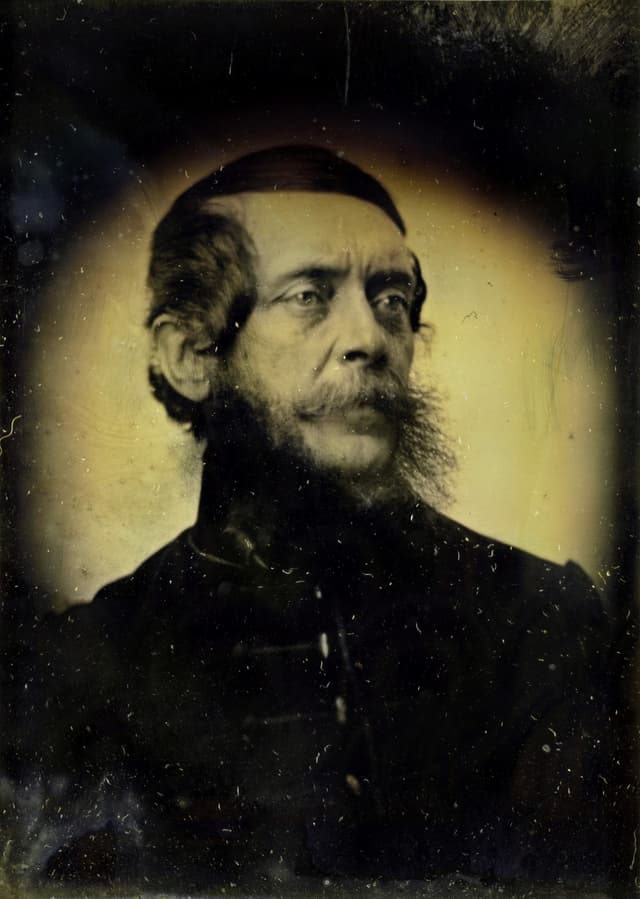
Lajos Kossuth de Udvard et Kossuthfalva (Hungarian: [ˈlɒjoʃ ˈkoʃut]; Hungarian: udvardi és kossuthfalvi Kossuth Lajos; Slovak: Ľudovít Košút; English: Louis Kossuth; 19 September 1802 – 20 March 1894) was a Hungarian nobleman, lawyer, journalist, politician, statesman and governor-president of the Kingdom of Hungary during the revolution of 1848–1849. Kossuth, known for his public speaking skills, rose from a lesser noble (gentry) background to become regent-president during the 1848–1849 Hungarian revolution. As the influential contemporary American journalist Horace Greeley said of Kossuth: "Among the orators, patriots, statesmen, exiles, he has, living or dead, no superior." Kossuth's powerful speeches so impressed and touched the famous contemporary American orator Daniel Webster, that he wrote a book about Kossuth's life. During his lifetime, Kossuth was publicly honored in countries such as Great Britain and the United States, where he was viewed by some supporters as a symbol of democratic movements in Europe. Kossuth's bronze bust can be found in the United States Capitol with the inscription: Father of Hungarian Democracy, Hungarian Statesman, Freedom Fighter, 1848–1849. Friedrich Engels considered him to be "a truly revolutionary figure, a man who in the name of his people dares to accept the challenge of a desperate struggle, who for his nation is Danton and Carnot in one person ...".