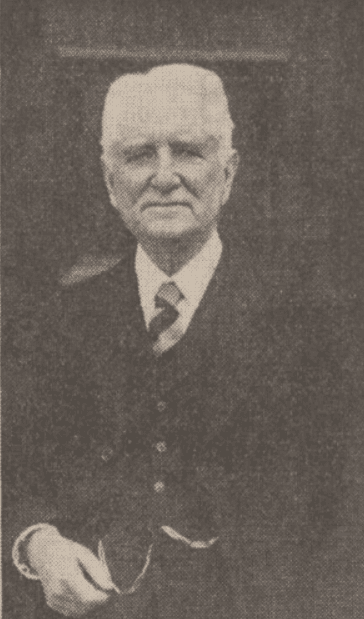
L. P. Jacks
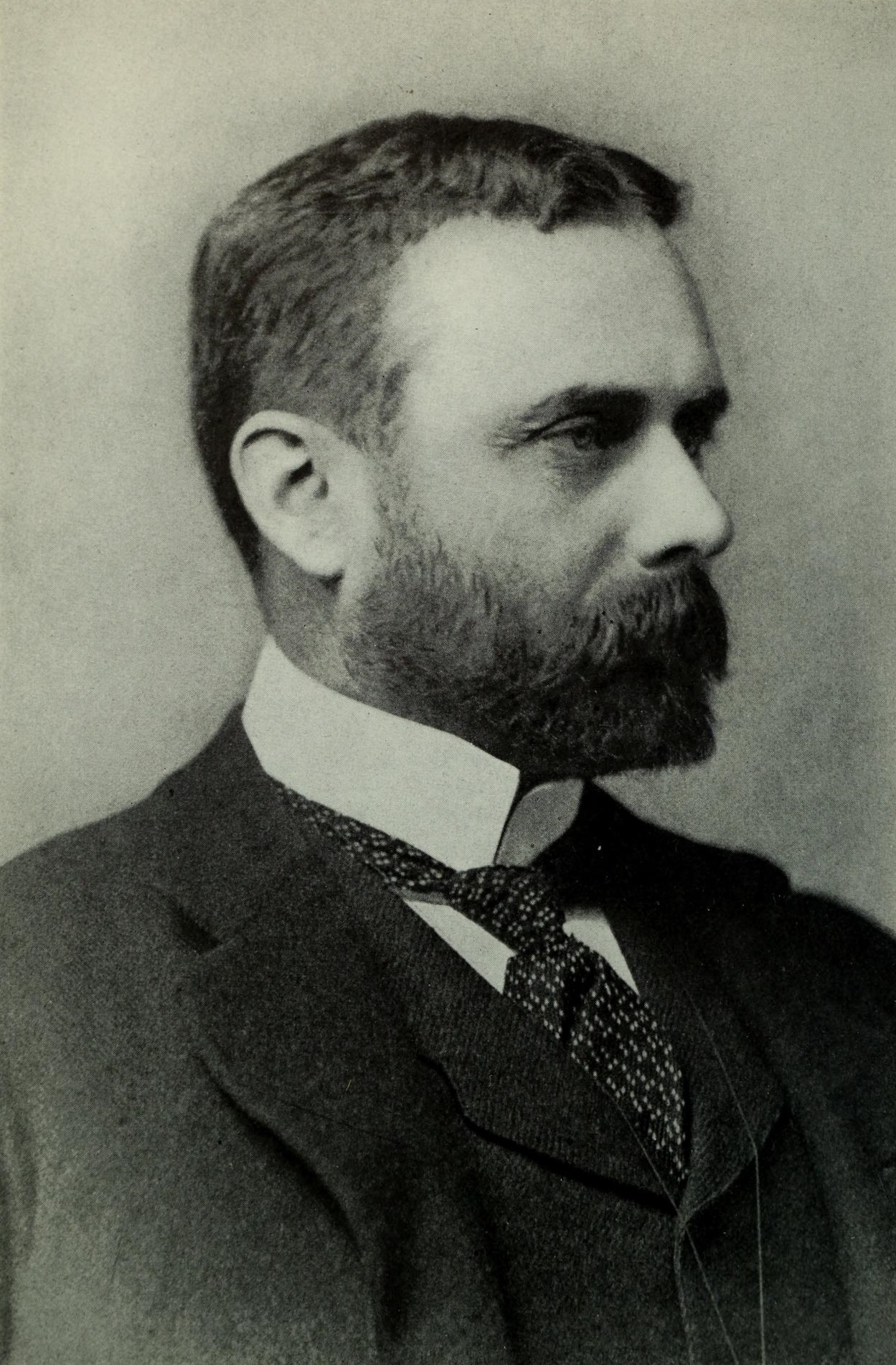
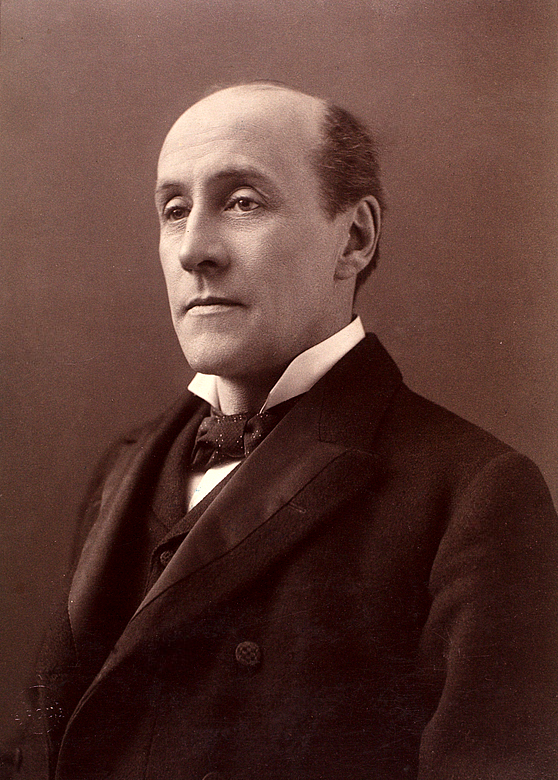
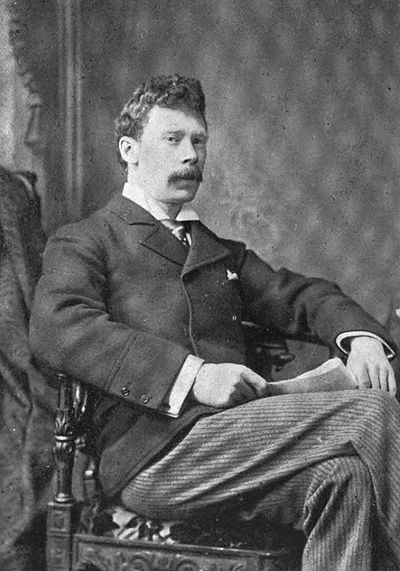
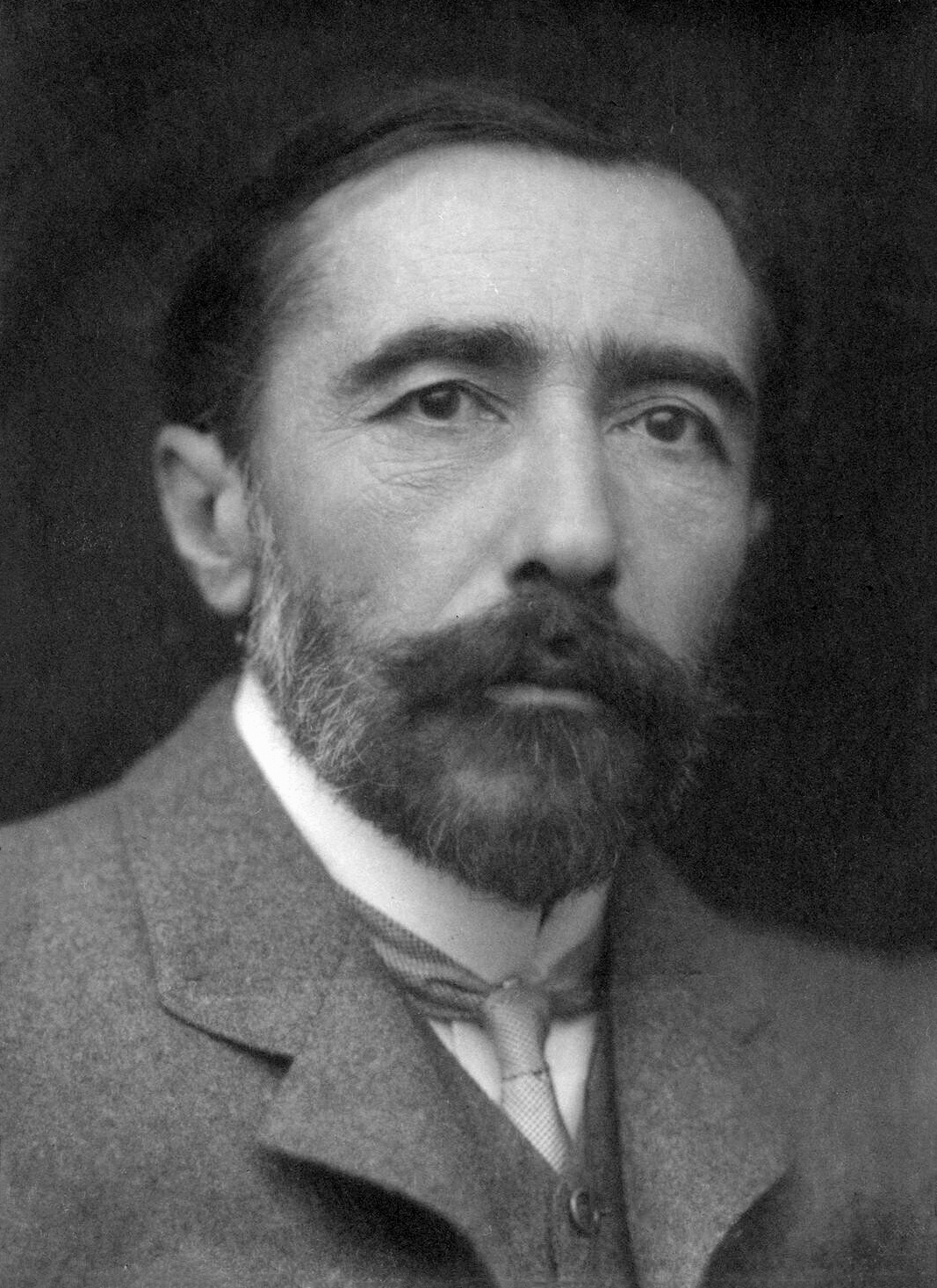
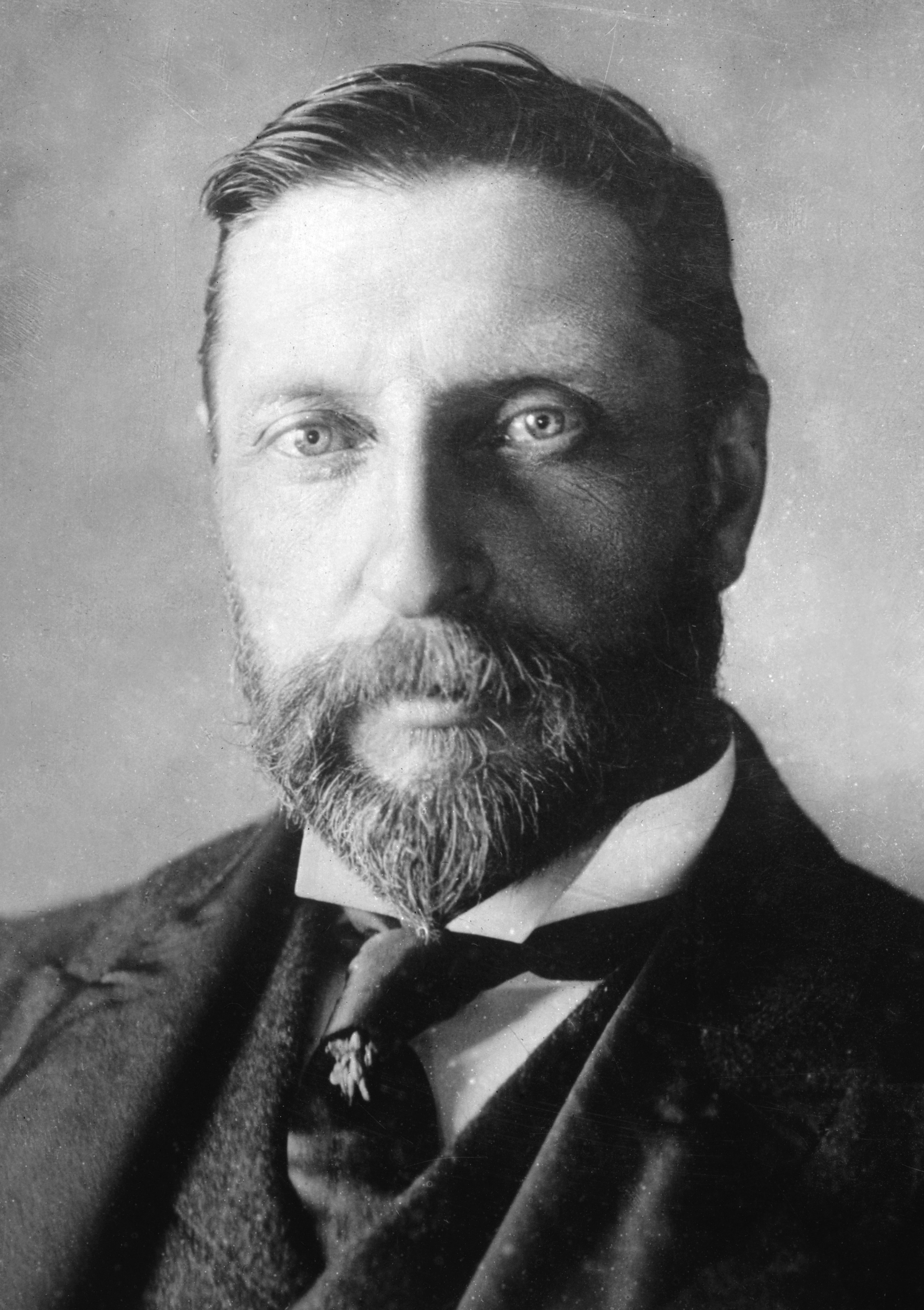
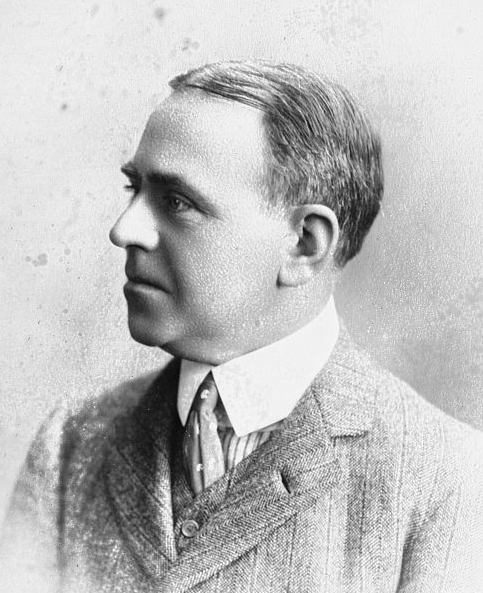
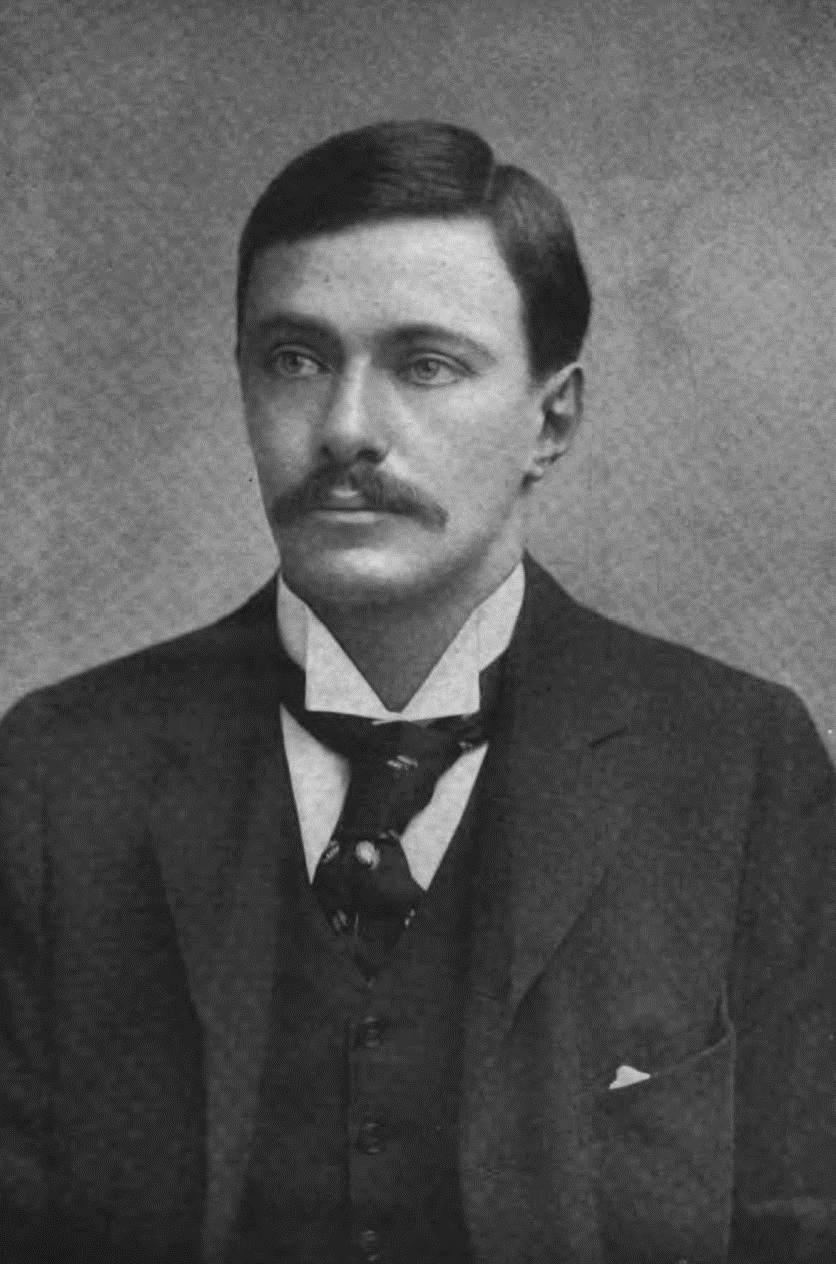
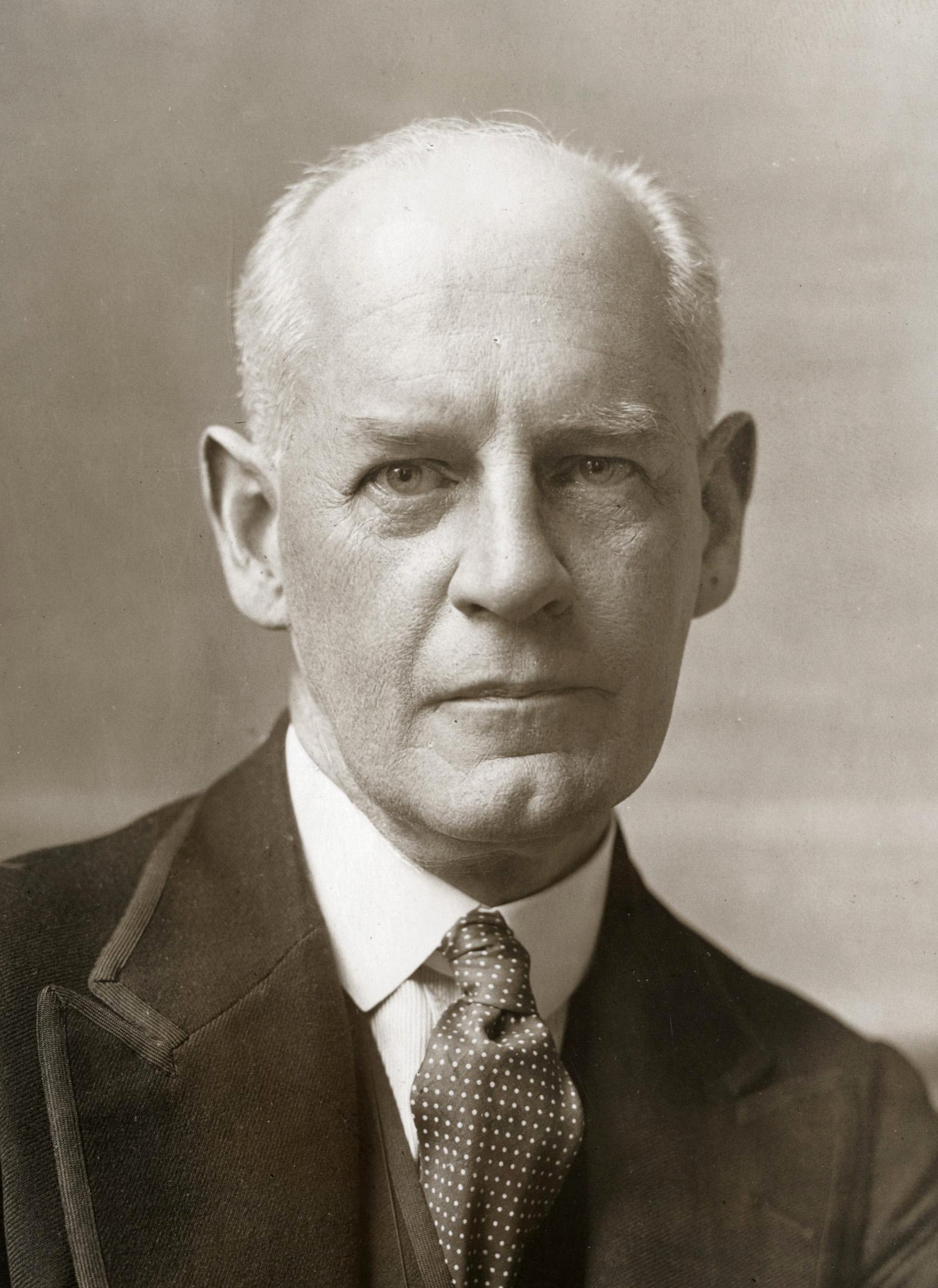
L. P. Jacks was a Scottish writer, educator, and philosopher, best known for his contributions to the field of religious thought and his role in the development of modernist literature. Born in 1860, Jacks was deeply influenced by the philosophical currents of his time, particularly the interplay between science and spirituality. He served as the principal of the Glasgow Academy and was an influential figure in the Scottish educational system, advocating for a more progressive approach to learning. His writings often reflected his belief in the importance of personal experience and the quest for meaning in a rapidly changing world. Among his notable works, "The Eternal Quest" stands out as a profound exploration of the human condition and the search for truth. Jacks also edited the influential magazine "The Hibbert Journal," which provided a platform for discussing contemporary issues in religion and philosophy. His literary significance lies in his ability to bridge the gap between traditional religious thought and modern existential inquiries, making him a pivotal figure in the early 20th-century intellectual landscape. Jacks's legacy continues to resonate in discussions of faith, philosophy, and the role of education in fostering critical thinking.
Famous Quotes
View all 6 quotes“A master in the art of living draws no sharp distinction between his work and his play; his labor and his leisure; his mind and his body; his education and his recreation. He hardly knows which is which. He simply pursues his vision of excellence through whatever he is doing, and leaves others to determine whether he is working or playing. To himself, he always appears to be doing both.””
“Though science makes no use for poetry, poetry is enriched by science. Poetry “takes up” the scientific vision and re-expresses its truths, but always in forms which compel us to look beyond them to the total object which is telling its own story and standing in its own rights. In this the poet and the philosopher are one. Using language as the lever, they lift thought above the levels where words perplex and retard its flight, and leave it, at last, standing face to face with the object which reveals itself.””
“In all great poetry there is a kind of 'kenosis' of the understanding, a self-emptying of the tongue. Here language points away from itself to something greater than itself.””
Books from the author

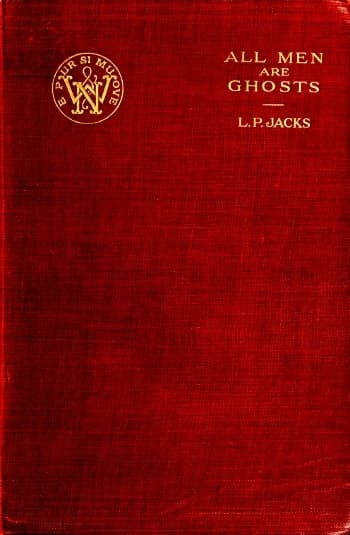
Link to this page
Add a free, dofollow link to Lex on your blog, forum, syllabus, or reading list.

<a href="https://lex-books.com/author/l-p-jacks"><img src="https://lex-books.com/badges/read-on-lex.svg" alt="L. P. Jacks on Lex" width="160" height="40"></a>[](https://lex-books.com/author/l-p-jacks)[url=https://lex-books.com/author/l-p-jacks][img]https://lex-books.com/badges/read-on-lex.svg[/img][/url]L. P. Jacks on Lex: https://lex-books.com/author/l-p-jacks