
Kuan, active 1st century B.C. Huan
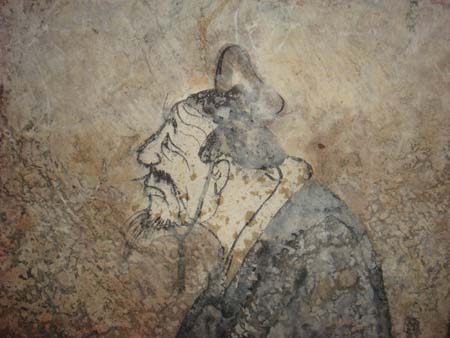
Kuan Huan was a prominent figure in the 1st century B.C., known for his contributions to Chinese philosophy and economics. He is best remembered for his work, '鹽鐵論' (The Discourses on Salt and Iron), which is a critical examination of state policies regarding salt and iron monopolies during the Han dynasty. This text not only reflects the economic conditions of the time but also engages in a broader discourse on the role of government in regulating commerce and industry. Kuan Huan's arguments were significant in shaping discussions around state control and market freedom, making his work a cornerstone in the study of early Chinese economic thought. Kuan's insights into the relationship between government and the economy resonate through the ages, influencing later thinkers and policymakers. His ability to articulate complex ideas about governance and economics in a clear and persuasive manner ensured that '鹽鐵論' remained a relevant text in both historical and philosophical contexts. Kuan Huan's legacy lies in his pioneering exploration of economic theory and his critical stance on state intervention, marking him as a key figure in the intellectual landscape of ancient China.
Books from the author




Link to this page
Add a free, dofollow link to Lex on your blog, forum, syllabus, or reading list.

<a href="https://lex-books.com/author/kuan-active-1st-century-bc-huan"><img src="https://lex-books.com/badges/read-on-lex.svg" alt="Kuan, active 1st century B.C. Huan on Lex" width="160" height="40"></a>[](https://lex-books.com/author/kuan-active-1st-century-bc-huan)[url=https://lex-books.com/author/kuan-active-1st-century-bc-huan][img]https://lex-books.com/badges/read-on-lex.svg[/img][/url]Kuan, active 1st century B.C. Huan on Lex: https://lex-books.com/author/kuan-active-1st-century-bc-huan