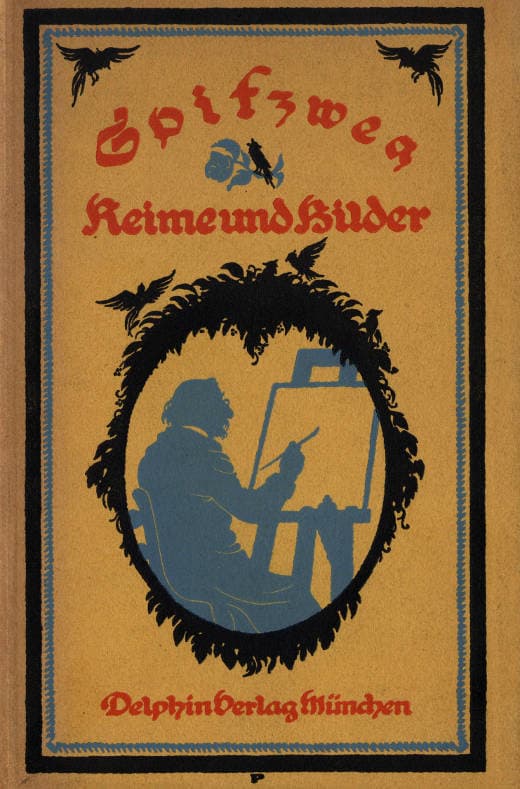
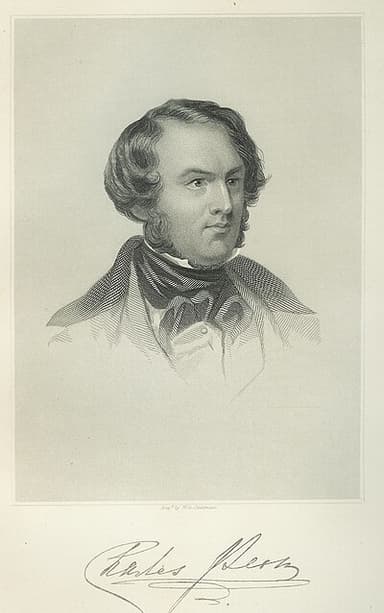
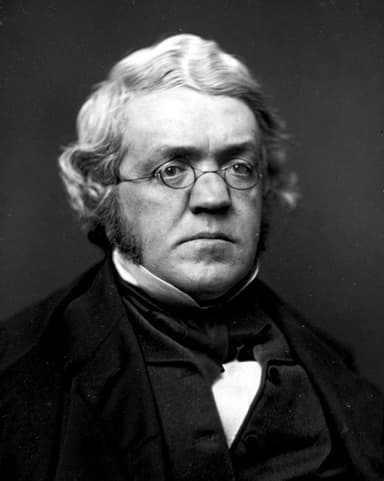
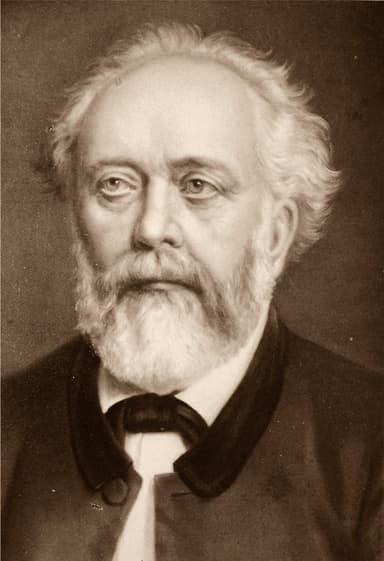
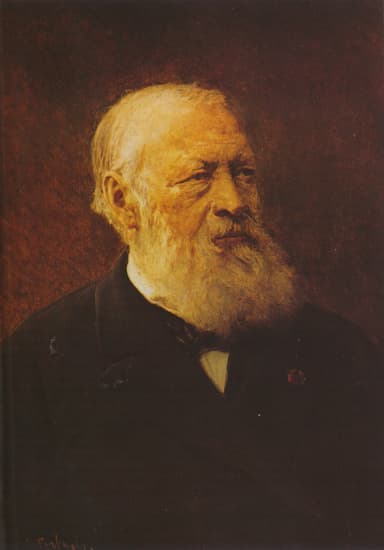
Karl Spitzweg
Karl Spitzweg was a prominent German painter renowned for his contributions to the Biedermeier movement, particularly through his evocative genre scenes. Born in Munich, he initially pursued a career in pharmacy before fully dedicating himself to art. His paintings often depicted the everyday lives of middle-class individuals, infused with a sense of humor and warmth. Notable works such as 'The Bookworm' and 'The Poor Poet' exemplify his ability to capture the nuances of human emotion and the charm of domestic life, making him a beloved figure in 19th-century art. Spitzweg's work is characterized by its detailed realism and a romanticized view of the world, reflecting the values and aesthetics of the Biedermeier period. His paintings often served as social commentary, subtly critiquing the societal norms of his time while celebrating the simplicity and beauty of ordinary life. As one of the most significant artists of his era, Spitzweg's legacy endures, influencing future generations of artists and securing his place in the canon of German art history.
Books from the author