
Karl Emil Franzos
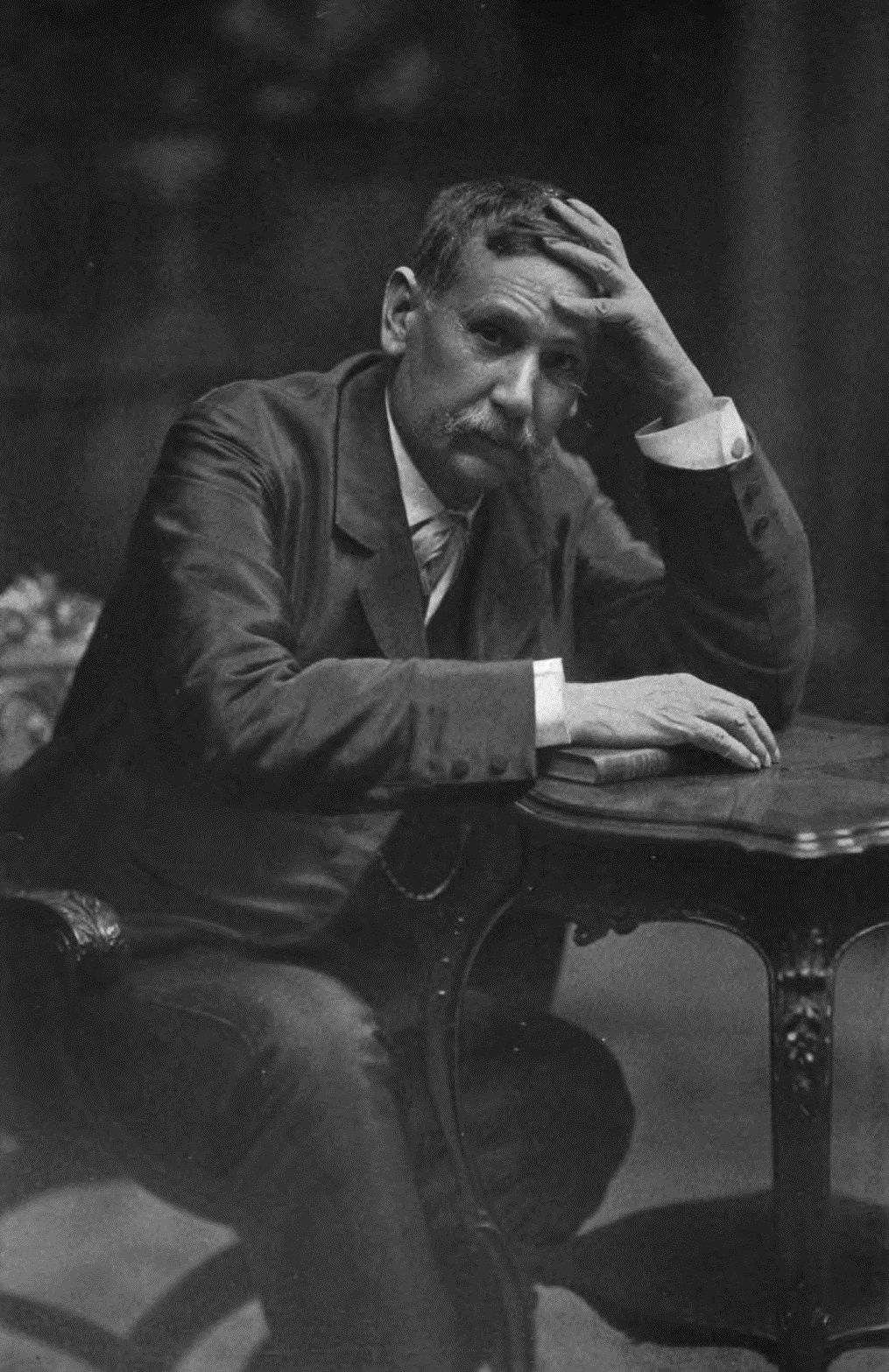
Karl Emil Franzos was a prominent Austrian novelist known for his vivid depictions of life in the multi-ethnic regions of Galicia, Podolia, and Bukovina during the late 19th century. His literary works, which encompassed both fiction and reportage, provided a nuanced portrayal of the cultural and social dynamics in an area where the Habsburg and Russian empires converged. This unique setting became so synonymous with his writing that it was often referred to as 'Franzos country' by critics. His narratives explored the complexities of identity and community in a time of significant political change, making his contributions to literature both relevant and insightful. Franzos's notable works include 'Der Pojaz' and 'Die Juden von Barnow', which were among the first to bring attention to the Jewish experience in Eastern Europe. His ability to weave together personal stories with broader social themes garnered him a considerable readership, and several of his books were translated into English, reaching audiences beyond the German-speaking world. His literary significance lies not only in his storytelling but also in his role as a cultural commentator, capturing the essence of a diverse region during a transformative era. Franzos's legacy endures as a key figure in Austrian literature, particularly for his exploration of ethnic identities and social issues in a rapidly changing landscape.
Books from the author




Link to this page
Add a free, dofollow link to Lex on your blog, forum, syllabus, or reading list.

<a href="https://lex-books.com/author/karl-emil-franzos"><img src="https://lex-books.com/badges/read-on-lex.svg" alt="Karl Emil Franzos on Lex" width="160" height="40"></a>[](https://lex-books.com/author/karl-emil-franzos)[url=https://lex-books.com/author/karl-emil-franzos][img]https://lex-books.com/badges/read-on-lex.svg[/img][/url]Karl Emil Franzos on Lex: https://lex-books.com/author/karl-emil-franzos