Jöns Jakob, friherre Berzelius
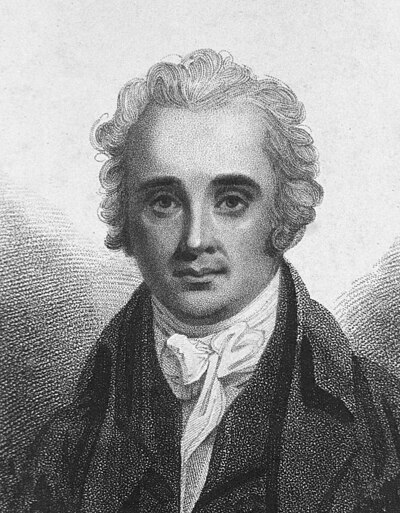
Jöns Jakob Berzelius was a prominent Swedish chemist who played a crucial role in the development of modern chemistry in the early 19th century. He is best known for his work in chemical analysis and for establishing the foundations of stoichiometry. Berzelius introduced the use of symbols for chemical elements, which greatly simplified the representation of chemical compounds and reactions. His systematic approach to chemical notation laid the groundwork for the periodic table and influenced future generations of chemists. Among his notable works are 'Lärobok i kemien' (Textbook of Chemistry) and 'Kemi' (Chemistry), which were instrumental in disseminating chemical knowledge across Europe. Berzelius's contributions extended beyond mere notation; he was also a pioneer in the study of organic compounds and is credited with discovering several elements, including silicon and selenium. His meticulous methods of analysis and emphasis on empirical data helped to elevate chemistry from a qualitative to a quantitative science. Berzelius's legacy is evident in the way chemical science is taught and practiced today, and he is often regarded as one of the founders of modern chemistry, influencing both theoretical and practical aspects of the field.
Books from the author




Link to this page
Add a free, dofollow link to Lex on your blog, forum, syllabus, or reading list.

<a href="https://lex-books.com/author/jöns-jakob-friherre-berzelius"><img src="https://lex-books.com/badges/read-on-lex.svg" alt="Jöns Jakob, friherre Berzelius on Lex" width="160" height="40"></a>[](https://lex-books.com/author/jöns-jakob-friherre-berzelius)[url=https://lex-books.com/author/jöns-jakob-friherre-berzelius][img]https://lex-books.com/badges/read-on-lex.svg[/img][/url]Jöns Jakob, friherre Berzelius on Lex: https://lex-books.com/author/jöns-jakob-friherre-berzelius