
Johann Ludwig Casper
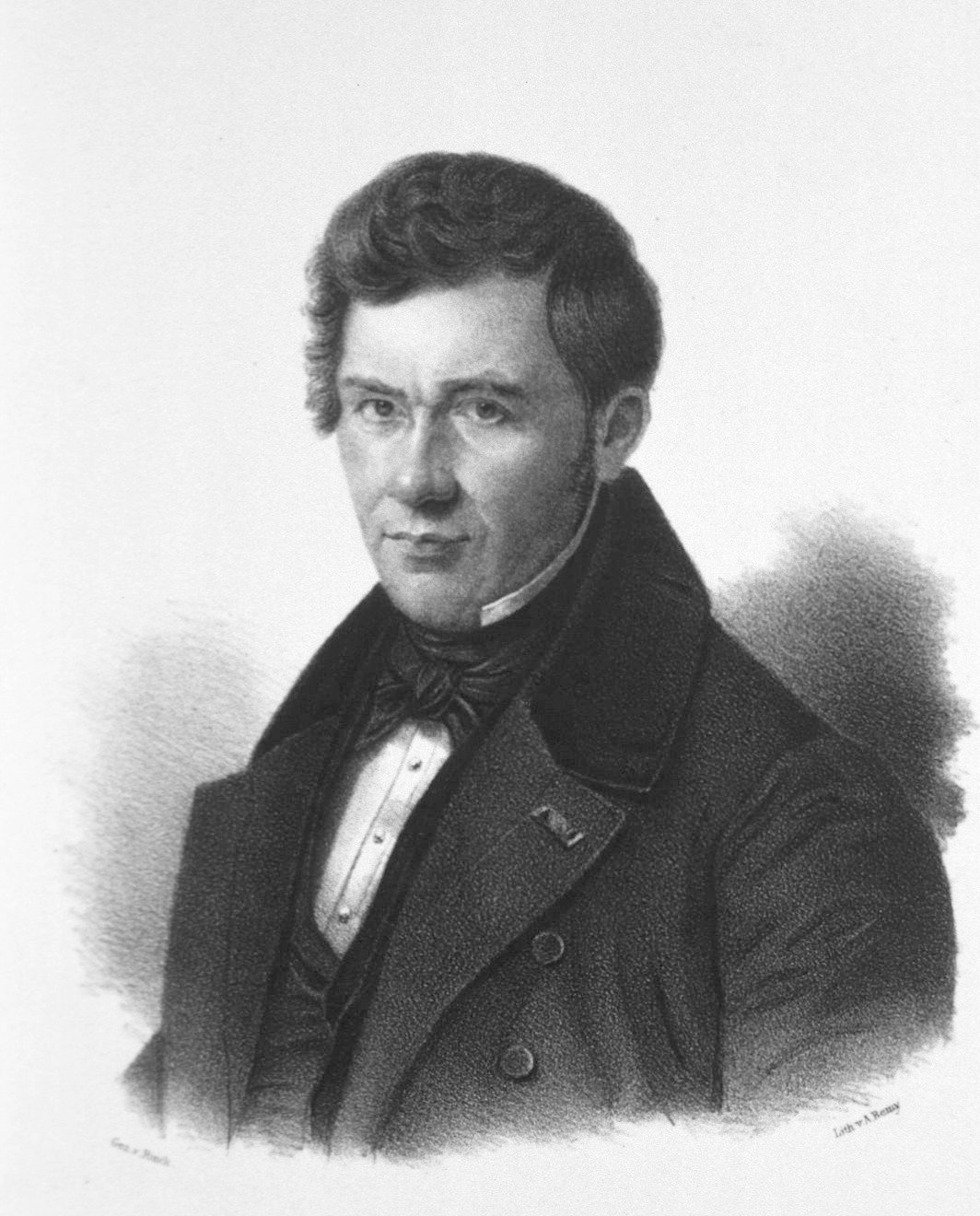
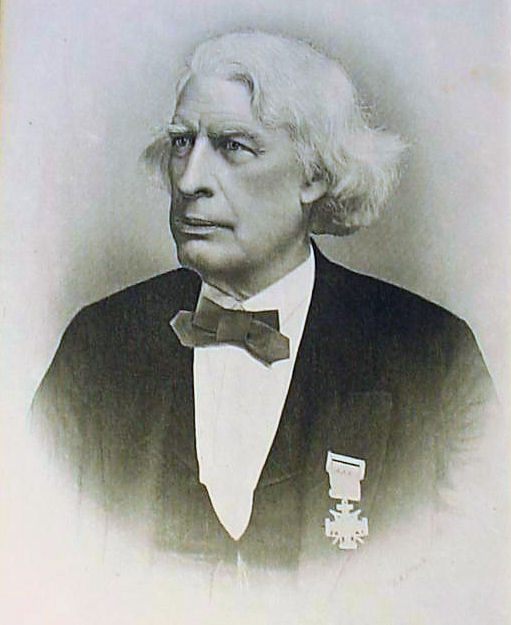
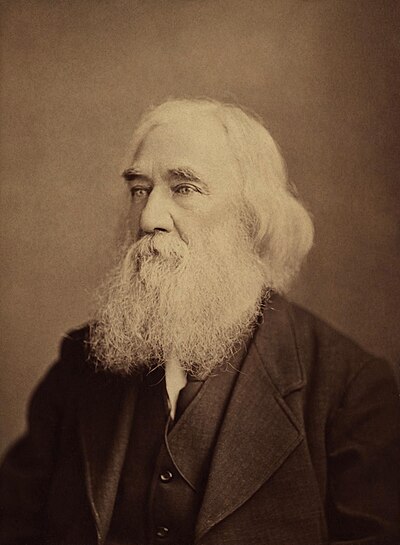
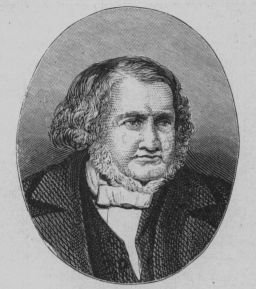
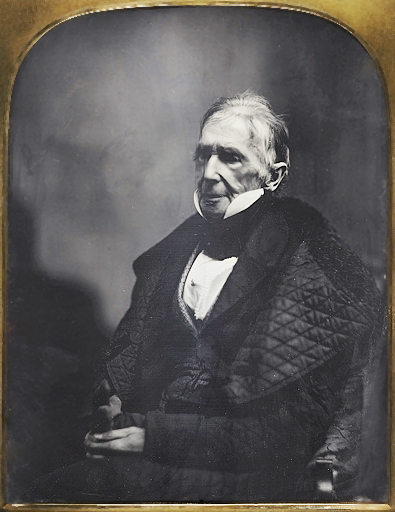
Johann Ludwig Casper was a pioneering German forensic scientist and criminologist whose contributions significantly advanced the fields of pathology and forensic medicine. Born in Berlin, he pursued his studies in pharmacology and medicine at prestigious institutions, earning his doctorate in 1819. After traveling to France and England to broaden his medical knowledge, Casper returned to Berlin, where he became a professor at the Medicinal College of the Province of Brandenburg. His academic career flourished as he took on various roles, including private docent and later director of an educational institution for forensic medicine. Casper's notable works include his influential publication, "Über Nothzucht und Päderastie und deren Ermittlung Seitens des Gerichtsarztes," which addressed critical issues in forensic investigations. He is perhaps best remembered for formulating Casper's Dictum in 1858, a groundbreaking principle that established a consistent ratio for the decomposition of bodies in different environments. His work laid the groundwork for modern forensic pathology, and his legacy endures in the methodologies used by forensic scientists today, marking him as a key figure in the evolution of criminal investigation and medical jurisprudence.
Books from the author







Link to this page
Add a free, dofollow link to Lex on your blog, forum, syllabus, or reading list.

<a href="https://lex-books.com/author/johann-ludwig-casper"><img src="https://lex-books.com/badges/read-on-lex.svg" alt="Johann Ludwig Casper on Lex" width="160" height="40"></a>[](https://lex-books.com/author/johann-ludwig-casper)[url=https://lex-books.com/author/johann-ludwig-casper][img]https://lex-books.com/badges/read-on-lex.svg[/img][/url]Johann Ludwig Casper on Lex: https://lex-books.com/author/johann-ludwig-casper