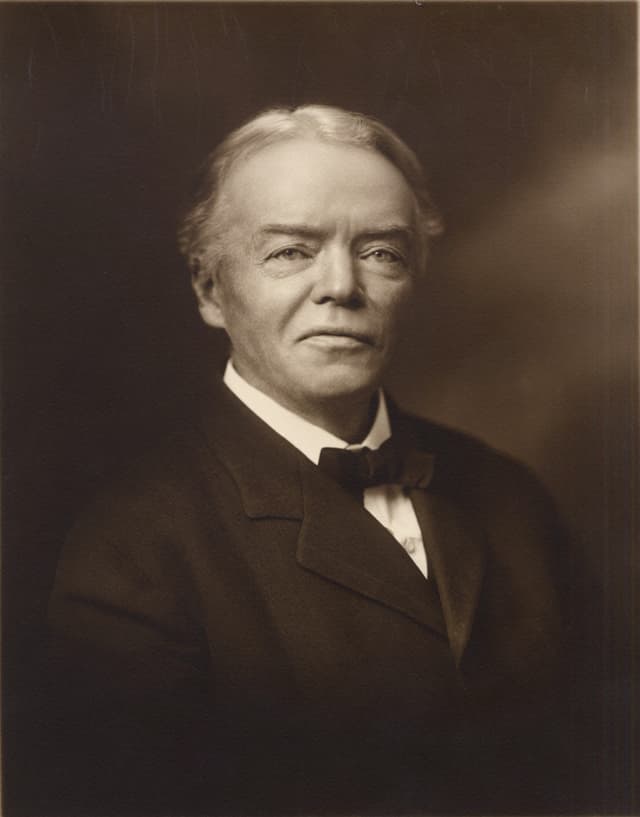
Josiah Royce
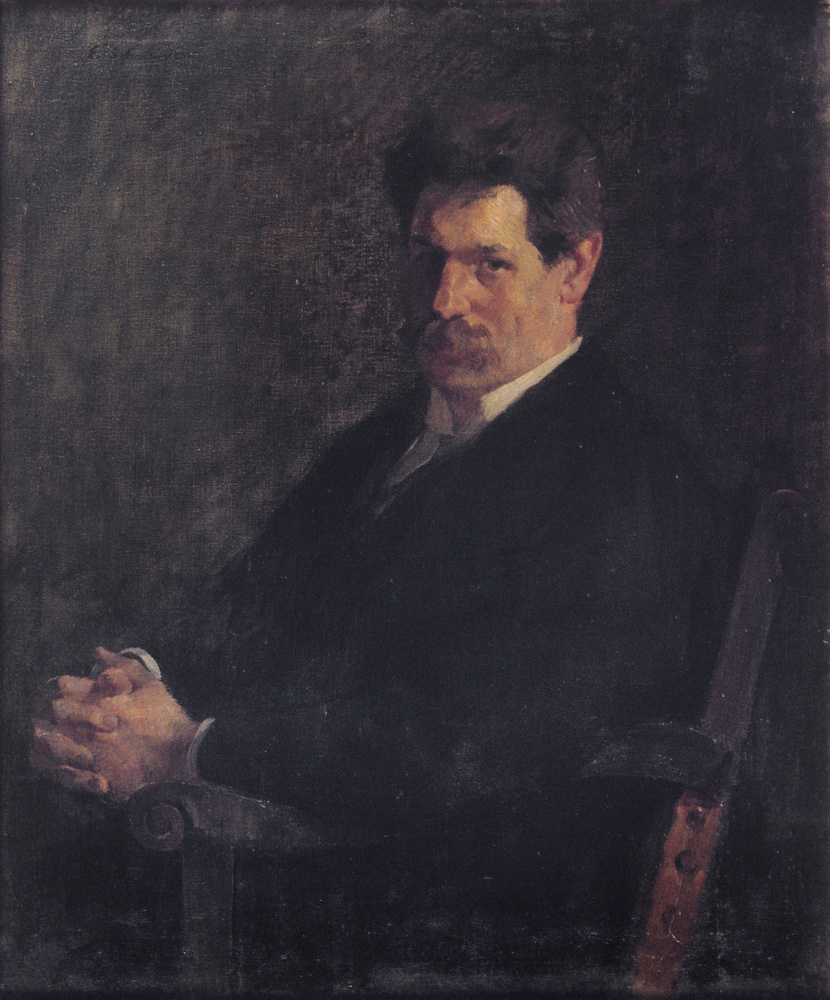
Josiah Royce was a prominent American philosopher known for his contributions to pragmatism and idealism, establishing himself as a key figure in the development of American philosophy. Born in California, he pursued his education at the University of California, Berkeley, and later at Harvard, where he became deeply influenced by the philosophical currents of his time. Royce's work focused on the interplay between individual experience and the broader social context, culminating in his philosophy of loyalty, which emphasized the importance of community and commitment to shared ideals. His notable works include 'The World and the Individual' and 'The Philosophy of Loyalty', where he articulated his vision of a cohesive society grounded in mutual support and ethical responsibility. Royce's ideas were significant in the early 20th century, as they offered a counterpoint to the more individualistic tendencies of contemporary thought. His essay 'A Word for the Times' gained national attention when quoted by President Franklin Delano Roosevelt, highlighting the relevance of Royce's philosophy during periods of crisis. As the founder of American idealism, Royce's legacy endures through his influence on later philosophers and his role in shaping discussions around ethics, community, and the human experience. His work continues to inspire those interested in the intersections of philosophy, social responsibility, and the nature of loyalty.
Famous Quotes
View all 3 quotes“Unless you can find some sort of loyalty, you cannot find unity and peace in your active living.”
“Philosophers have actually devoted themselves, in the main, neither to perceiving the world, nor to spinning webs of conceptual theory, but to interpreting the meaning of the civilization which they have represented.”
“If I ever say, “I have undone that deed,” I shall be both a fool and a liar. Counsel me, if you will, to forget that deed. Counsel me to do good deeds without number to set over against that treason. Counsel me to be cheerful . . . Counsel me to plunge into Lethe. All such counsel may be, in its way and time, good. Only do not counsel me “to get rid of” just that sin. That, so far as the real facts are concerned, cannot be done. For I am, and to the end of endless time shall remain, the doer of that wilfully traitorous deed. Whatever other value I may get, that value I retain forever. My guilt is as enduring as time.”
Books from the author


Link to this page
Add a free, dofollow link to Lex on your blog, forum, syllabus, or reading list.

<a href="https://lex-books.com/author/josiah-royce"><img src="https://lex-books.com/badges/read-on-lex.svg" alt="Josiah Royce on Lex" width="160" height="40"></a>[](https://lex-books.com/author/josiah-royce)[url=https://lex-books.com/author/josiah-royce][img]https://lex-books.com/badges/read-on-lex.svg[/img][/url]Josiah Royce on Lex: https://lex-books.com/author/josiah-royce