
Joseph Lister
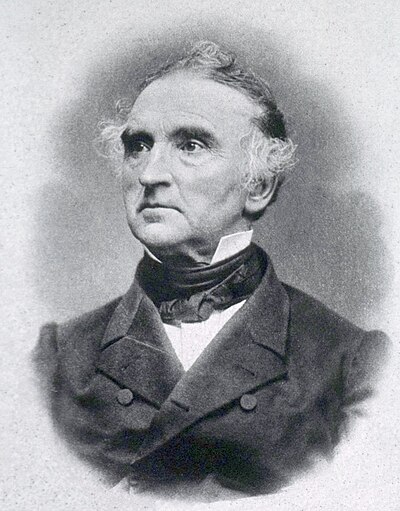
Joseph Lister was an English surgeon and medical scientist renowned for pioneering antiseptic surgery, fundamentally transforming surgical practices in the 19th century. His groundbreaking work was rooted in the application of scientific principles to medicine, particularly the importance of preventing infection during surgical procedures. Lister's meticulous anatomical observations and experiments led him to advocate for the use of carbolic acid as a disinfectant, significantly reducing post-operative infections and mortality rates. His methods not only improved surgical outcomes but also laid the groundwork for modern aseptic techniques. Lister's contributions extended beyond the operating room; he was instrumental in advancing preventive healthcare and promoting the importance of cleanliness in medical environments. His influence was profound, inspiring generations of surgeons and medical professionals to adopt antiseptic practices. Lister's legacy is commemorated in the continued emphasis on hygiene and infection control in healthcare settings, making him a pivotal figure in the history of medicine and surgery.
Famous Quotes
View all 1 quotes“In the course of an extended investigation into the nature of inflammation, and the healthy and morbid conditions of the blood in relation to it, I arrived several years ago at the conclusion that the essential cause of suppuration in wounds is decomposition brought about by the influence of the atmosphere upon blood or serum retained within them, and, in the case of contused wounds, upon portions of tissue destroyed by the violence of the injury.To prevent the occurrence of suppuration with all its attendant risks was an object manifestly desirable, but till lately apparently unattainable, since it seemed hopeless to attempt to exclude the oxygen which was universally regarded as the agent by which putrefaction was effected. But when it had been shown by the researches of that the septic properties of the atmosphere depended not on the oxygen, or any gaseous constituent, but on minute organisms suspended in it, which owed their energy to their vitality, it occurred to me that decomposition in the injured part might be avoided without excluding the air, by applying as a dressing some material capable of destroying the life of the floating particles.””
Books from the author



Link to this page
Add a free, dofollow link to Lex on your blog, forum, syllabus, or reading list.

<a href="https://lex-books.com/author/joseph-lister"><img src="https://lex-books.com/badges/read-on-lex.svg" alt="Joseph Lister on Lex" width="160" height="40"></a>[](https://lex-books.com/author/joseph-lister)[url=https://lex-books.com/author/joseph-lister][img]https://lex-books.com/badges/read-on-lex.svg[/img][/url]Joseph Lister on Lex: https://lex-books.com/author/joseph-lister