
John Tyler
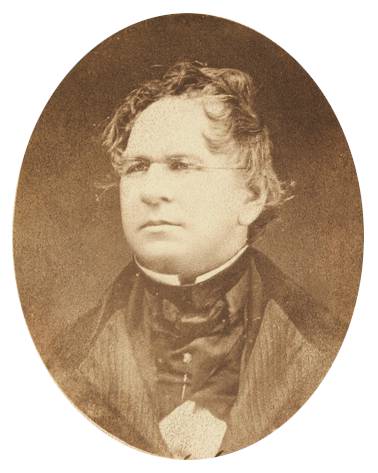
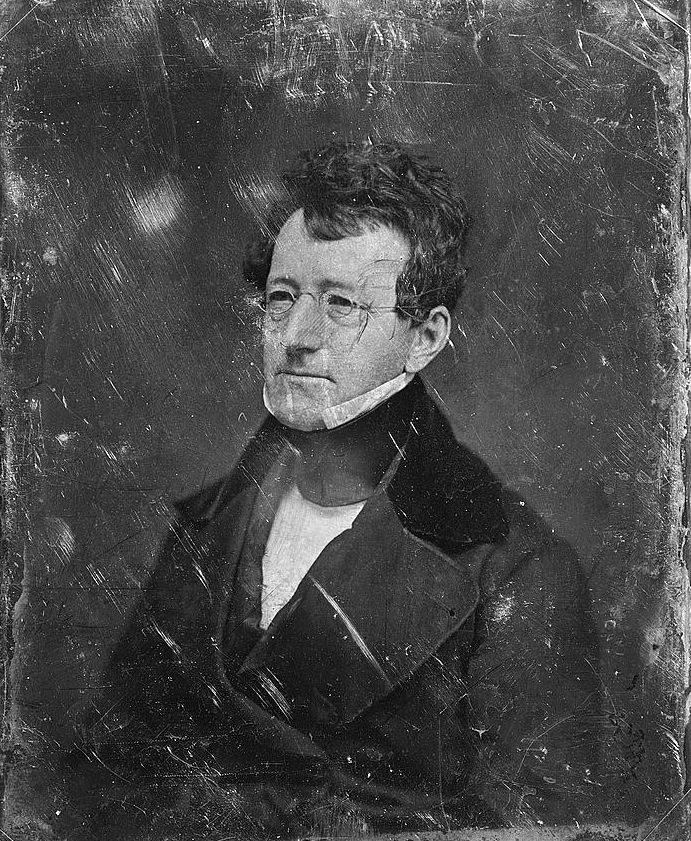
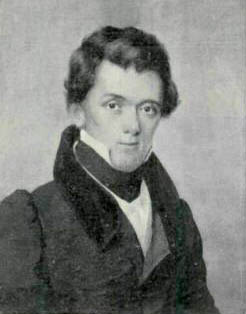
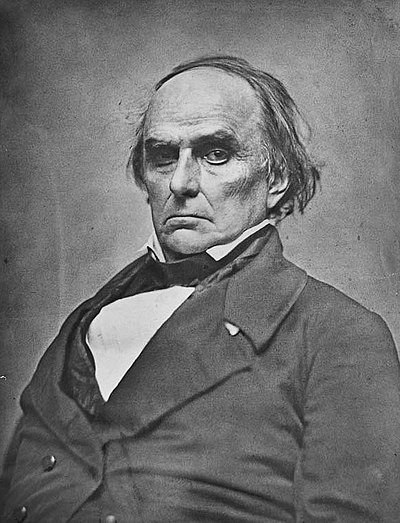
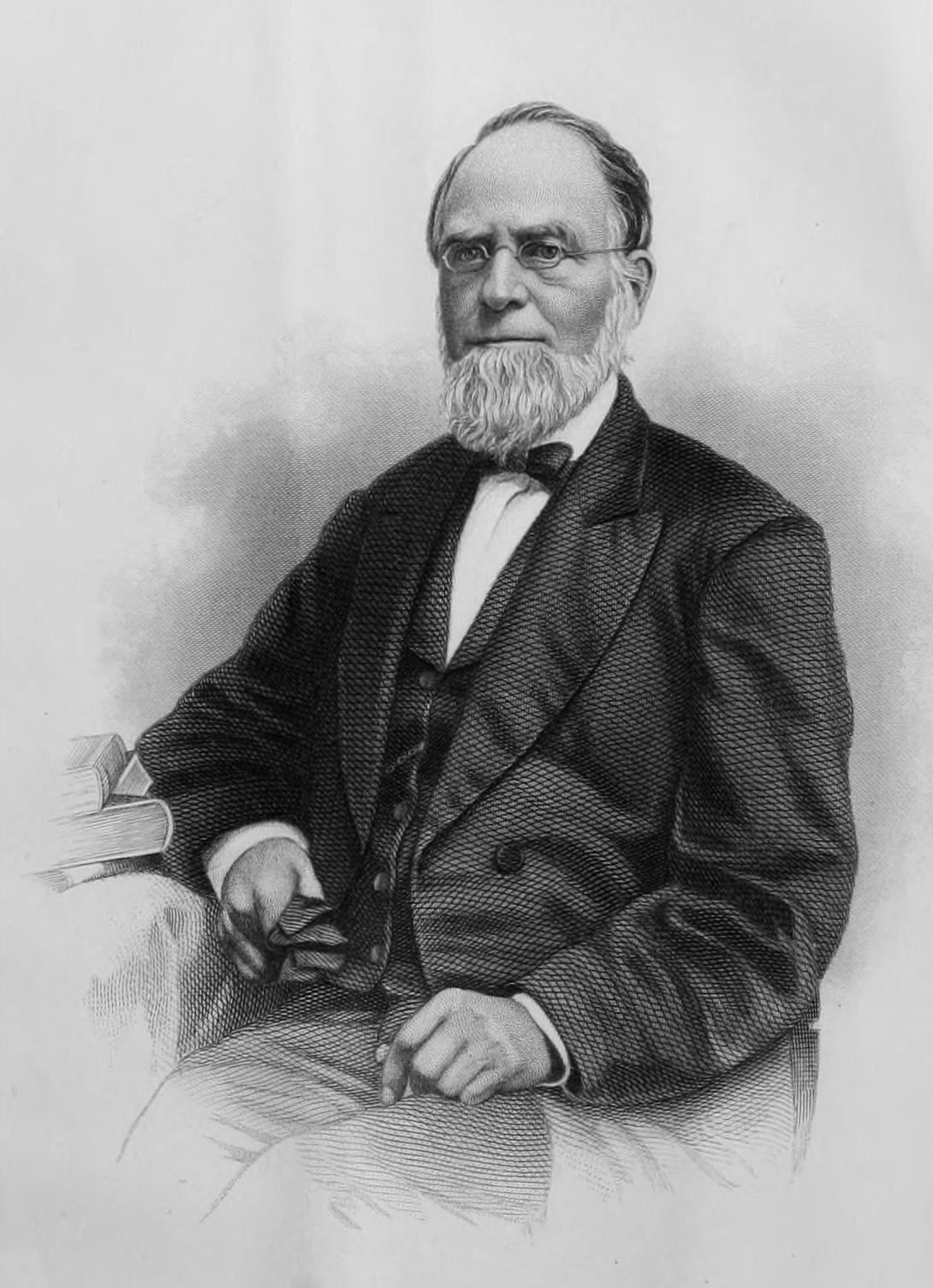
John Tyler was the tenth president of the United States, serving from 1841 to 1845 after a brief tenure as vice president. Born into a prominent Virginia slaveholding family, Tyler's political career began as a member of the Democratic-Republican Party, where he initially supported Andrew Jackson. However, he became disillusioned with Jackson's expansion of executive power and the infringement on states' rights, leading him to align with the southern faction of the Whig Party. His rise to the presidency was unexpected; he became the first vice president to succeed to the presidency following the death of William Henry Harrison just 31 days into his term. This event established the Tyler Precedent, clarifying the succession of the vice president to the presidency. As president, Tyler was a staunch advocate for states' rights and a strict constructionist, often clashing with the Whig Party's leadership, particularly Henry Clay. His presidency was marked by significant political strife, resulting in the resignation of nearly his entire cabinet and his eventual expulsion from the Whig Party, earning him the nickname "His Accidency." Despite domestic challenges, Tyler achieved notable foreign policy successes, including the Webster–Ashburton Treaty with Britain and the Treaty of Wanghia with China. He was a proponent of manifest destiny and played a crucial role in the annexation of Texas, which he viewed as beneficial for the United States both economically and politically. Tyler's legacy remains complex, characterized by his commitment to states' rights and his contentious relationships with both major political parties of his time.
Famous Quotes
View all 13 quotes“It just doesn’t make sense,” Elizabeth insisted. “Are we supposed to believe that civilization has just come to an end?”“Well,” Clark offered, “it was always a little fragile, wouldn’t you say?” They were sitting together in the Skymiles Lounge, where Elizabeth and Tyler had set up camp.“I don’t know.” Elizabeth spoke slowly, looking out at the tarmac. “I’ve been taking art history classes on and off for years, between projects. And of course art history is always pressed up close against non-art history, you see catastrophe after catastrophe, terrible things, all these moments when everyone must have thought the world was ending, but all those moments, they were all temporary. It always passes.”Clark was silent. He didn’t think this would pass.””
“The little girls in Room 4 were playing breakup. The ballerina doll was breaking up with the sailor doll. “I’m sorry, John,” she said in a brisk, businesslike voice”
“There seemed to be a limitless number of objects in the world that had no practical use but that people wanted to preserve: cell phones with their delicate buttons, iPads, Tyler’s Nintendo console, a selection of laptops. There were a number of impractical shoes, stilettos mostly, beautiful and strange. There were three car engines in a row, cleaned and polished, a motorcycle composed mostly of gleaming chrome. Traders brought things for Clark sometimes, objects of no real value that they knew he would like: magazines and newspapers, a stamp collection, coins. There were the passports or the driver’s licenses or sometimes the credit cards of people who had lived at the airport and then died. Clark kept impeccable records.””
Books from the author

Link to this page
Add a free, dofollow link to Lex on your blog, forum, syllabus, or reading list.

<a href="https://lex-books.com/author/john-tyler"><img src="https://lex-books.com/badges/read-on-lex.svg" alt="John Tyler on Lex" width="160" height="40"></a>[](https://lex-books.com/author/john-tyler)[url=https://lex-books.com/author/john-tyler][img]https://lex-books.com/badges/read-on-lex.svg[/img][/url]John Tyler on Lex: https://lex-books.com/author/john-tyler