Lex

Browse

GenresShelvesPremiumBlog

Company

AboutJobsPartnersSell on LexAffiliates

Audio

Lex StudioVoicesFirst chapter freeAudiobook pricingAudiobook samplesAudiobook guidesAudio blog

Resources

DocsInvite FriendsFAQ

Legal

Terms of ServicePrivacy Policygeneral@lex-books.com+1 951-551-2243WhatsApp (international)

© 2026 LexBooks, Inc. All rights reserved.

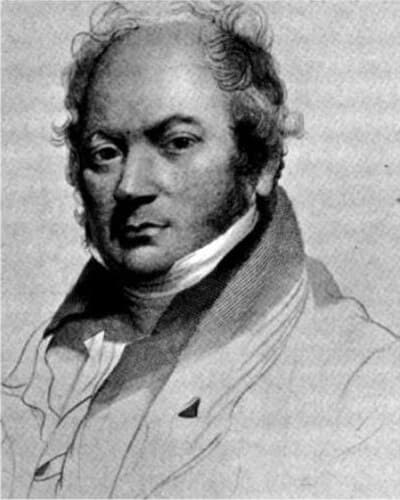
John Thomas Smith

John Thomas Smith

John Thomas Smith was an English artist and writer, best known for his contributions to the field of printmaking and his role in the early development of the art of lithography. He gained recognition for his work as a painter and was a member of the Royal Academy. Smith's most notable literary work, 'Remarks on Rural Scenery,' published in 1798, combined his artistic insights with a keen observation of the English countryside, showcasing his ability to blend visual art with literary expression. His writings often reflected his deep appreciation for nature and the landscapes of his time, making significant contributions to the discourse on art and aesthetics in the late 18th and early 19th centuries. In addition to his artistic endeavors, Smith was a prominent figure in the London art scene, engaging with other artists and contributing to various exhibitions. His influence extended beyond his own works, as he played a crucial role in promoting lithography as a legitimate art form, paving the way for future artists. Smith's legacy lies in his dual mastery of both visual and written arts, as well as his impact on the evolution of printmaking techniques, which would later flourish in the 19th century.

Wikipedia

John Thomas Smith is the name of:

Written by Lex AI

Famous Quotes

View all 4 quotes

“I think one of the sweetest lessons taught by the Prophet, and yet one of the saddest, occurred close to the time of his death. He was required to leave his plan and vision of the Rocky Mountains and give himself up to face a court of supposed justice.These are his words: 'I am going like a lamb to the slaughter; but I am calm as a summer's morning; I have a conscience void of offense towards God, and towards all men' (D&C 135:4). That statement of the Prophet teaches us obedience to law and the importance of having a clear conscience toward God and toward our fellowmen. The Prophet Joseph Smith taught these principles--by example.There was to be one great final lesson before his mortal life ended. He was incarcerated in Carthage Jail with his brother Hyrum, with John Taylor, and with Willard Richards. The angry mob stormed the jail; they came up the stairway, blasphemous in their cursing, heavily armed, and began to fire at will. Hyrum was hit and died. John Taylor took several balls of fire within his bosom. The Prophet Joseph, with his pistol in hand, was attempting to defend his life and that of his brethren, and yet he could tell from the pounding on the door that this mob would storm that door and would kill John Taylor and Willard Richards in an attempt to kill him.And so his last great act here upon the earth was to leave the door and lead Willard Richards to safety, throw the gun on the floor, and go to the window, that they might see him, that the attention of this ruthless mob might be focused upon him rather than the others. Joseph Smith gave his life. Willard Richards was spared, and John Taylor recovered from his wounds.'Greater love hath no man than this, that a man lay down his life for his friends' (John 15:13). The Prophet Joseph Smith taught us love--by example.””

“The process of dehuminazing the locals was under way, and it had very little to do with veracity. The Puritan narratives would continue that process and bring the devil into the mix. At least John Smith didn't think Satan was involved.””

Twenty-five Books That Shaped America: How White Whales, Green Lights, and Restless Spirits Forged Our National Identity – An Entertaining and Enriching Guide to Literature, Culture, and Citizenship

“Due to his unique position at the Met, John had access to the vaults that housed the museum’s entire photography collection, much of it never seen by the public. John’s specialty was Victorian photography, which he knew I was partial to as well. He invited Robert and me to come and see the work firsthand. There were flat files from floor to ceiling, metal shelves and drawers containing vintage prints of the early masters of photography: Fox Talbot, Alfred Stieglitz, Paul Strand, and Thomas Eakins. Being allowed to lift the tissues from these photographs, actually touch them and get a sense of the paper and the hand of the artist, made an enormous impact on Robert. He studied them intently”

Just Kids

Books from the author

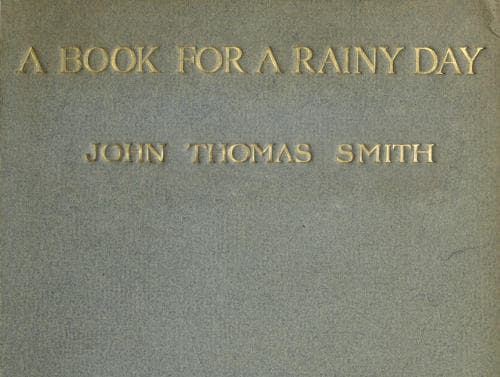
A Book for aRainy Day;Or,Recollect...

John Thomas Smith

A Book for a Rainy Day; Or, Recollections of the Events of the Years 1766-1833

The Cries ofLondonexhi...Several ofthe...

John Thomas Smith

More authors like this

right arrow
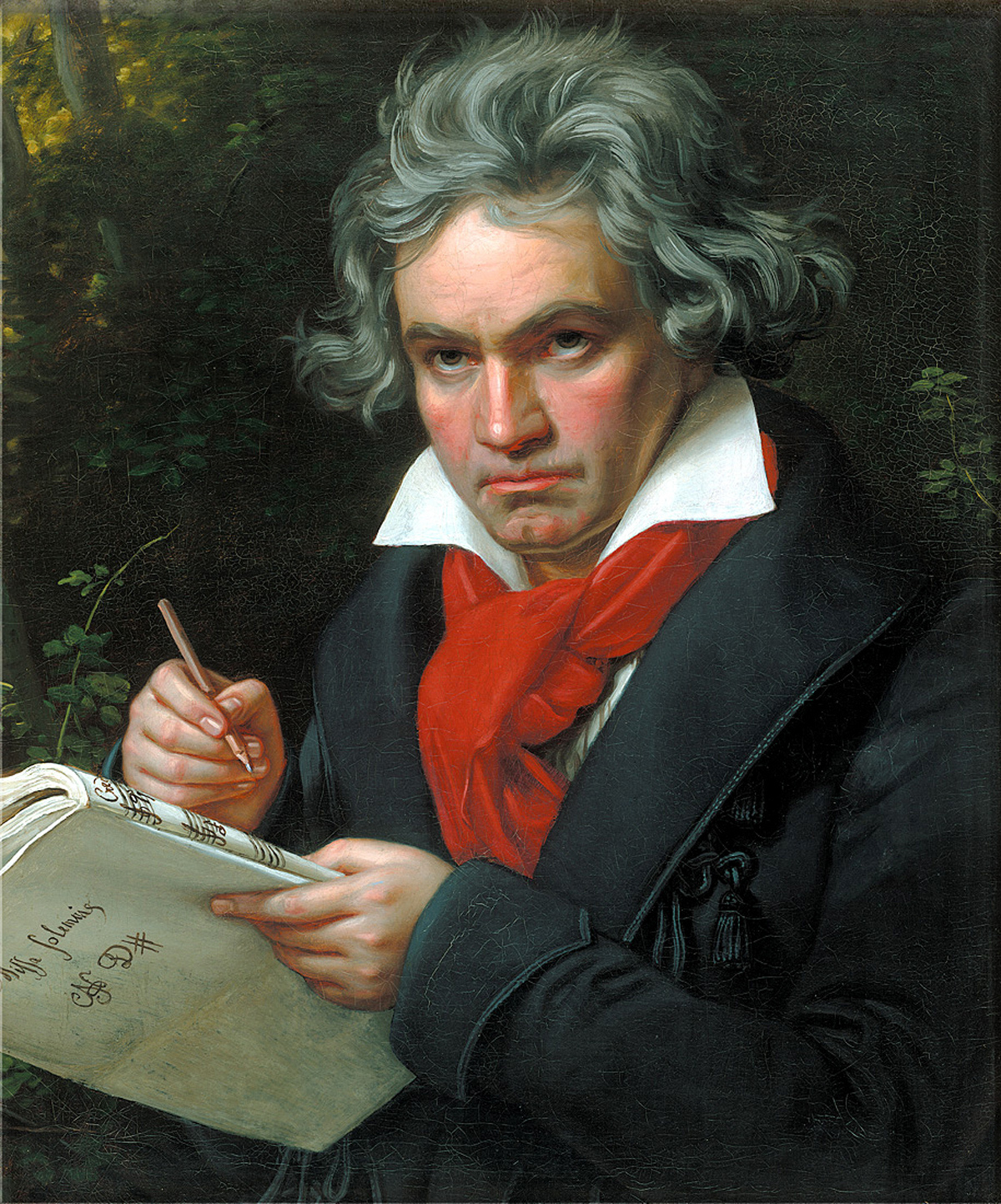
Ludwig van Beethoven
1770-1827
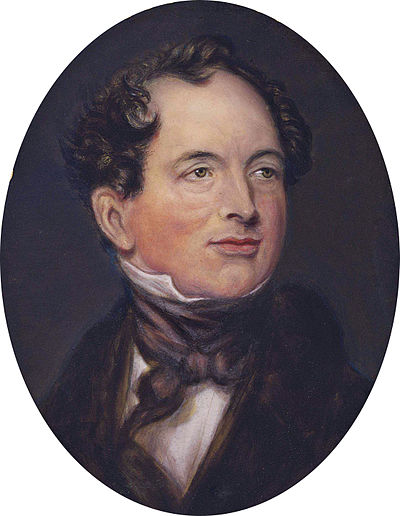
Thomas Moore
Thomas Moore
1779-1852
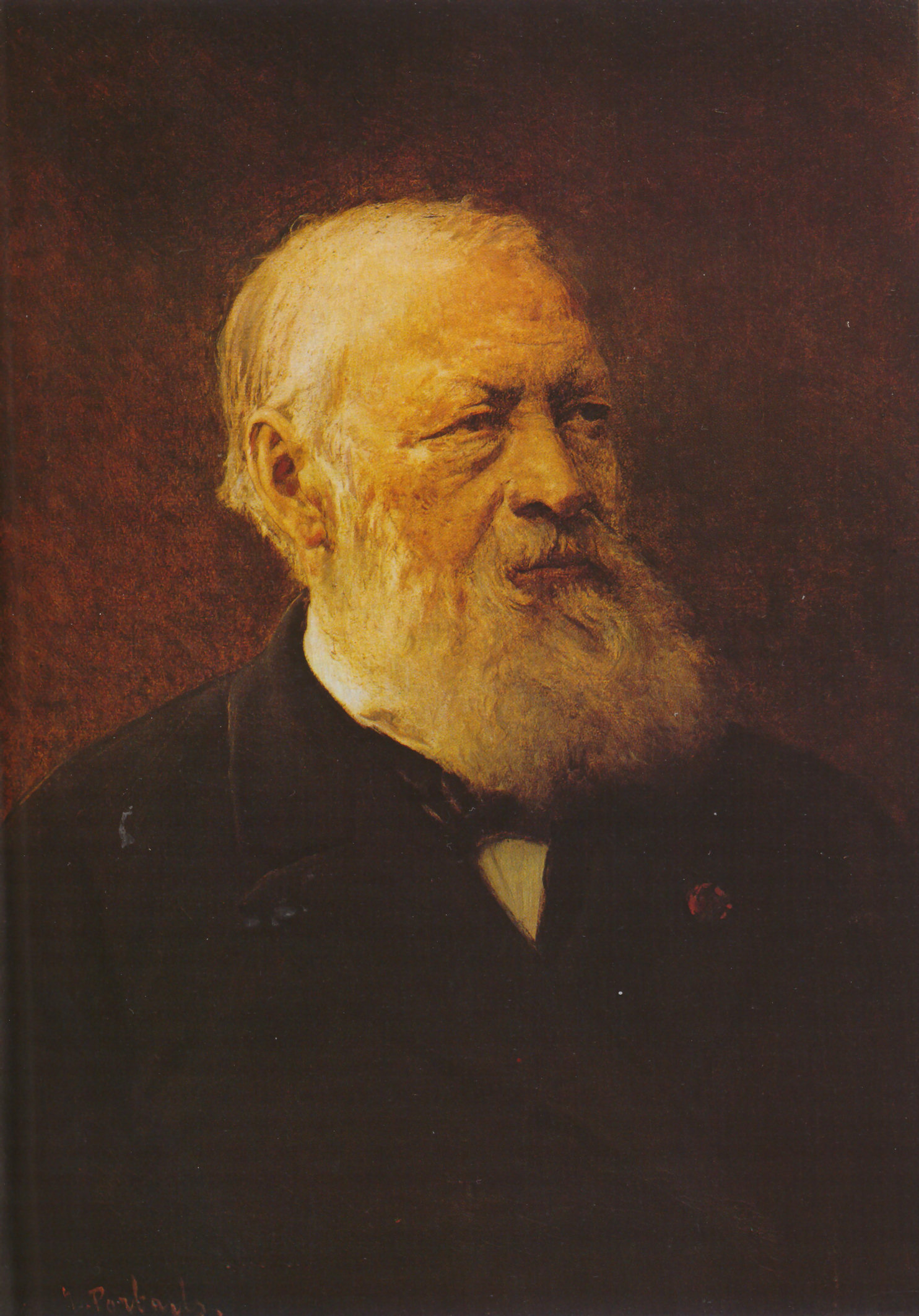
Dr. Doran
Dr. Doran
1807-1878
Hendrik Conscience
Hendrik Conscience
1812-1883
François-René, vicomte de Chateaubriand
1768-1848
Emperor of the French Napoleon I
1769-1821
Louis Antoine Fauvelet de Bourrienne
1769-1834
Louis Constant Wairy
1778-1845
Richard Cannon
Richard Cannon
1779-1865
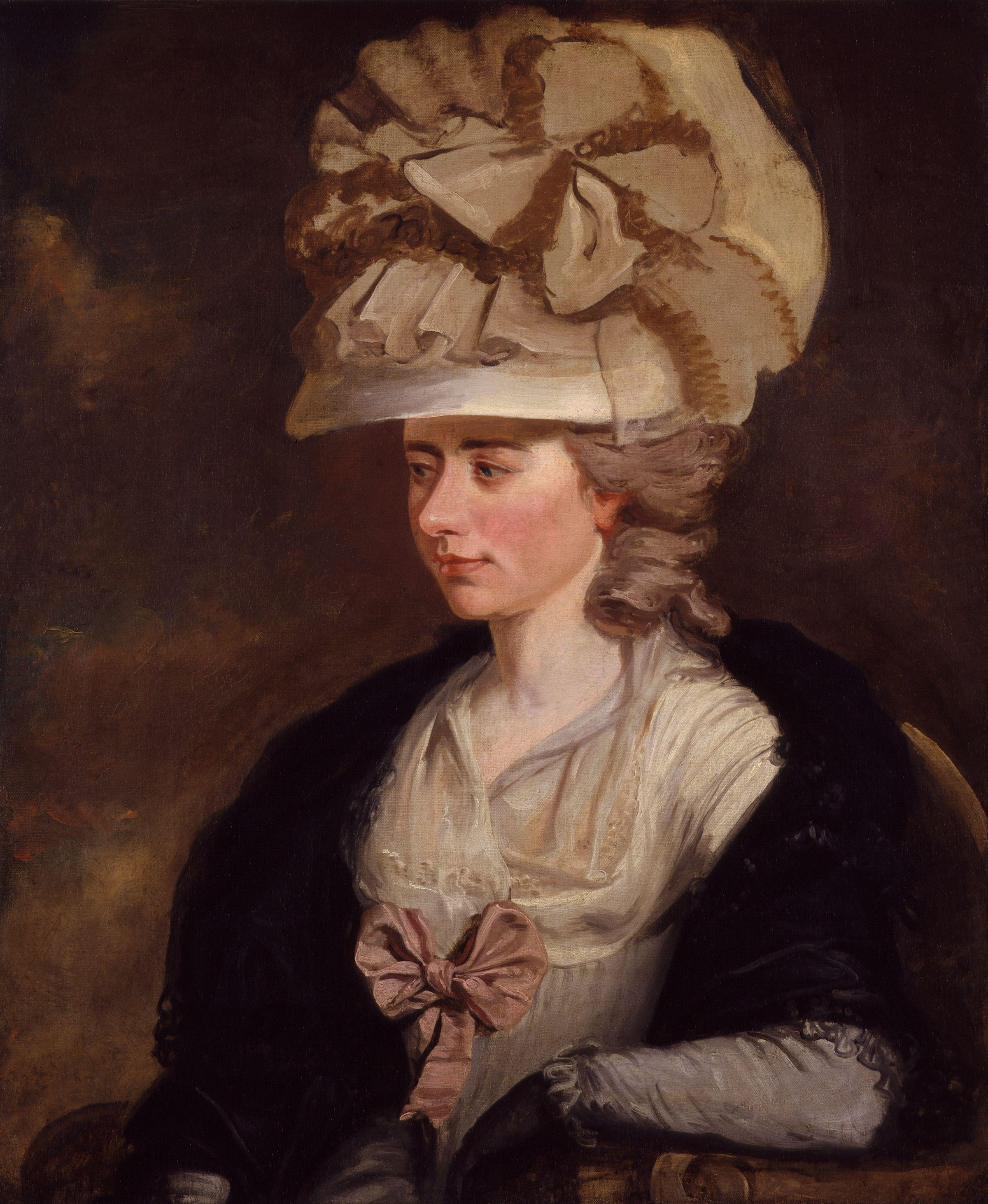
Fanny Burney
Fanny Burney
1752-1840
J. Church
J. Church
1780-1825
Eliel Aspelin-Haapkylä
1847-1917
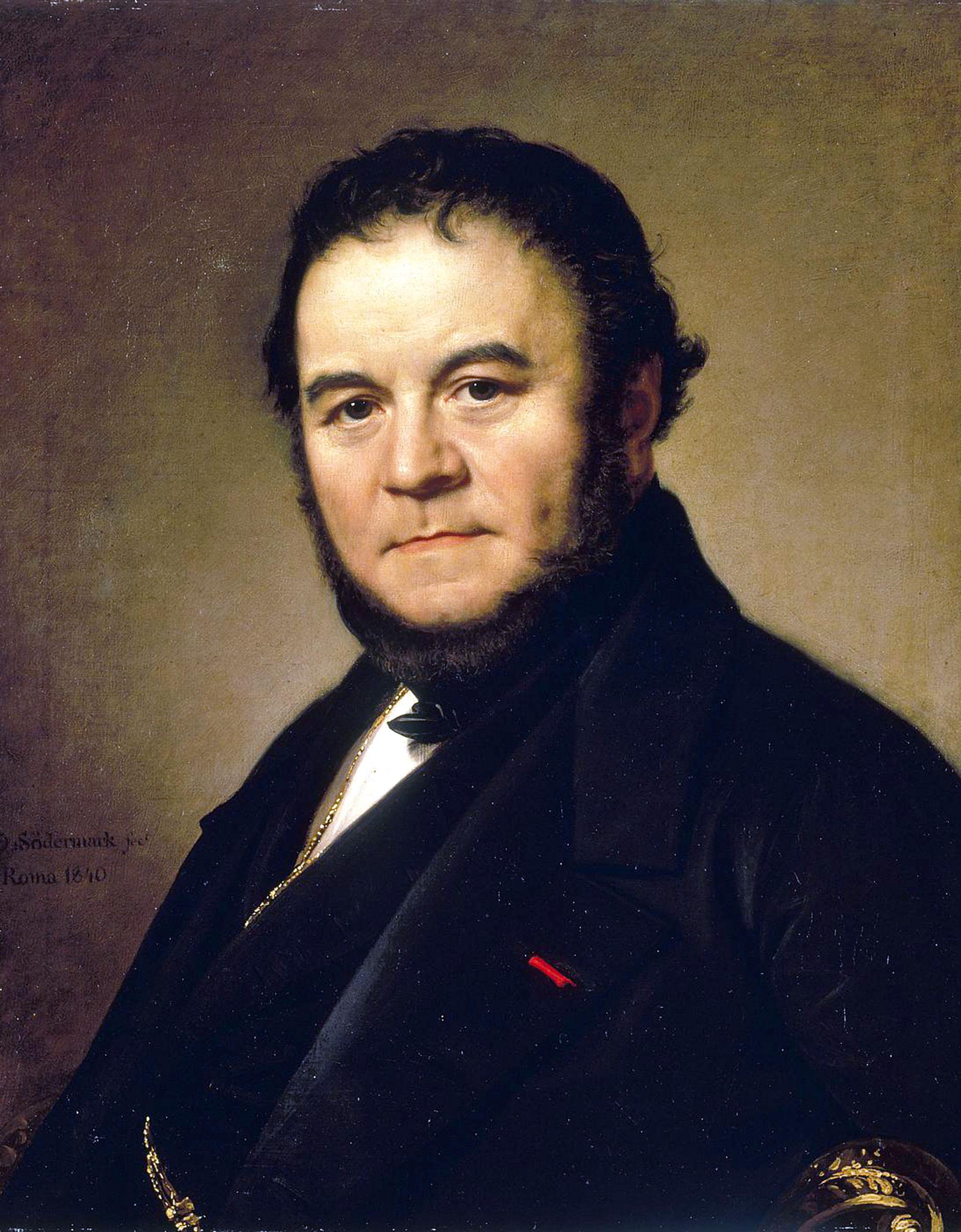
Stendhal
Stendhal
1783-1842
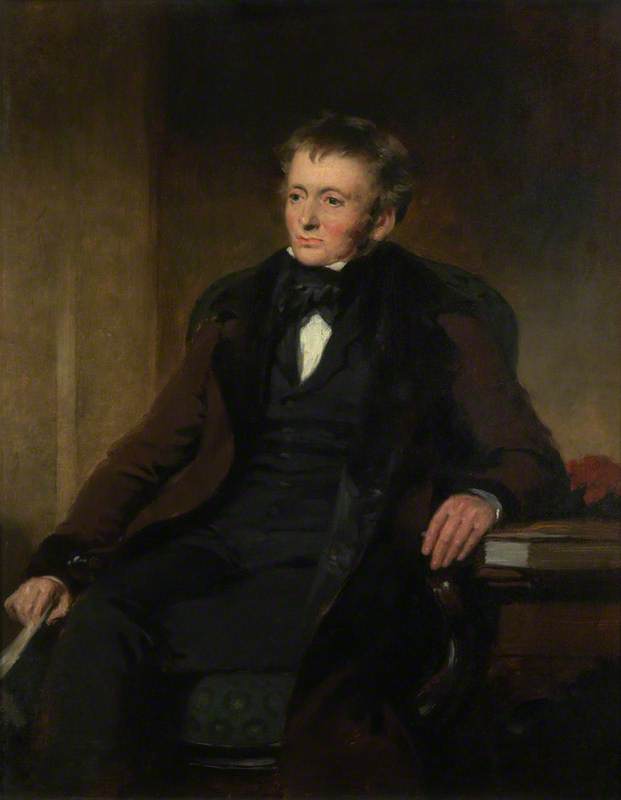
Thomas De Quincey
Thomas De Quincey
1785-1859
François Guizot
François Guizot
1787-1874
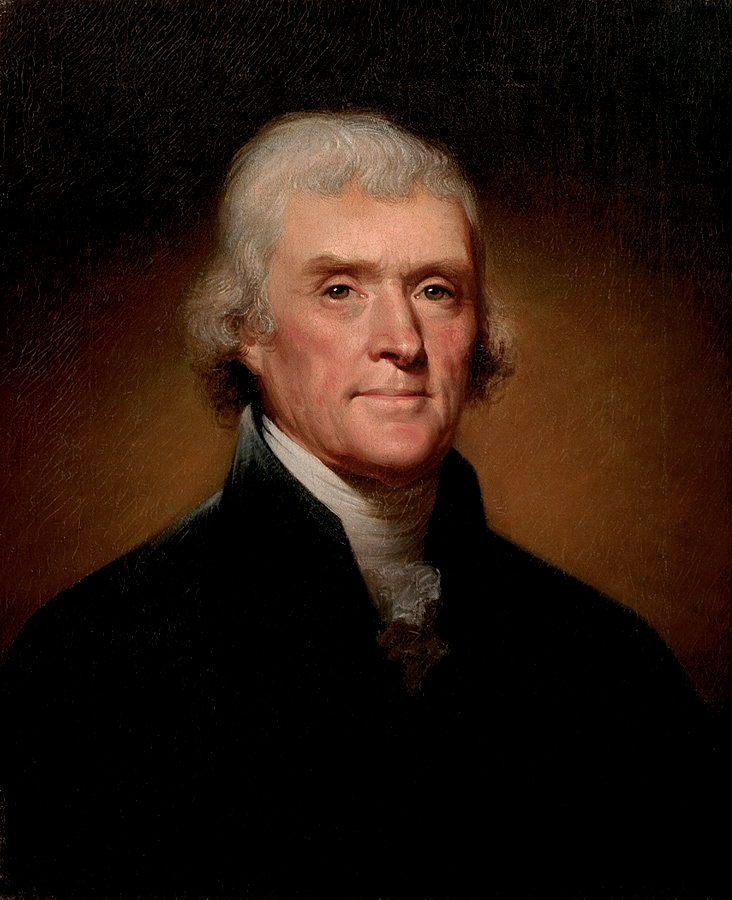
Thomas Jefferson
Thomas Jefferson
1743-1826

Link to this page

Add a free, dofollow link to Lex on your blog, forum, syllabus, or reading list.

John Thomas Smith on Lex
HTML
<a href="https://lex-books.com/author/john-thomas-smith"><img src="https://lex-books.com/badges/read-on-lex.svg" alt="John Thomas Smith on Lex" width="160" height="40"></a>
Markdown
[![John Thomas Smith on Lex](https://lex-books.com/badges/read-on-lex.svg)](https://lex-books.com/author/john-thomas-smith)
BBCode
[url=https://lex-books.com/author/john-thomas-smith][img]https://lex-books.com/badges/read-on-lex.svg[/img][/url]
Plain link
John Thomas Smith on Lex: https://lex-books.com/author/john-thomas-smith